This article offers an in-depth exploration of supply chain logistics, a critical discipline that involves managing the flow of goods and services. It encompasses all processes that facilitate the movement of materials, information, and capital from source to customer, enhancing efficiency and responsiveness in today’s fast-paced global markets. Learn about strategic elements, challenges, and effective strategies for optimizing these crucial systems.
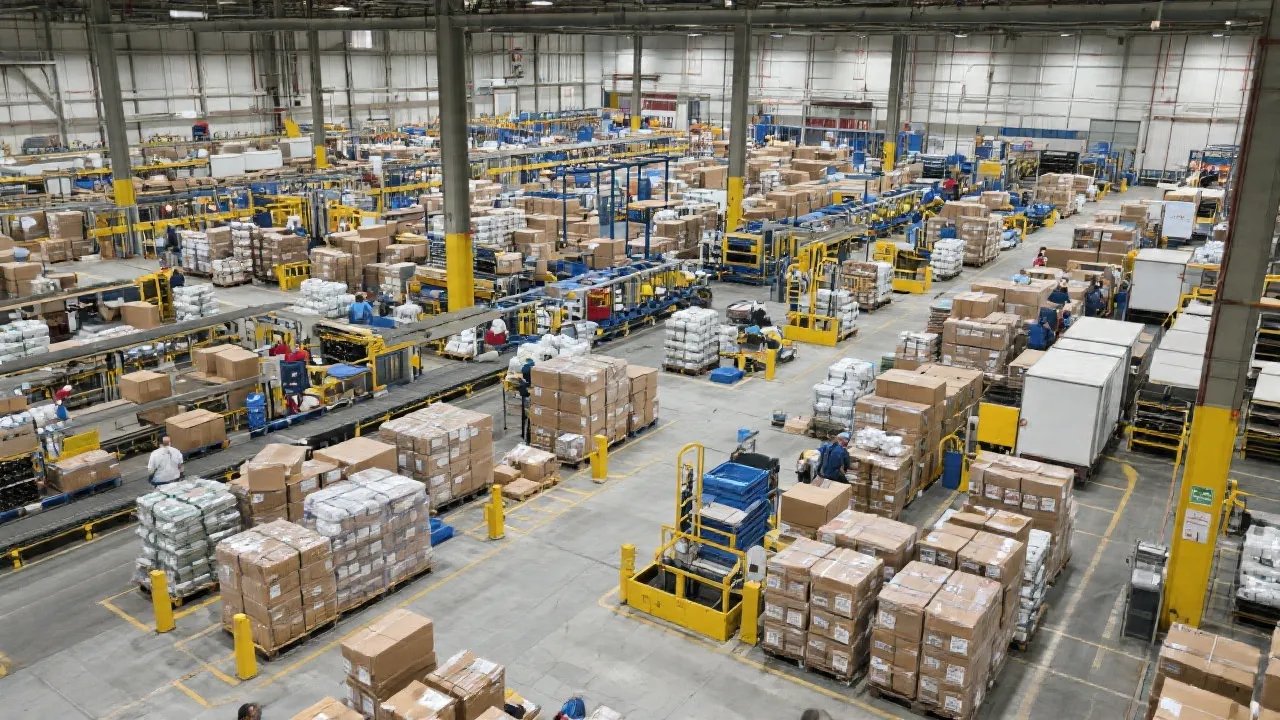
Supply chain logistics is a cornerstone of modern commerce, meticulously orchestrating the seamless movement of goods, information, and capital through multifaceted global networks. As the backbone of trade and industry, supply chain logistics encompasses planning, execution, and control of all logistical tasks, whether it’s sourcing raw materials, manufacturing, warehousing, or distributing finished products to customers. The complexity of supply chain logistics arises from the multitude of stakeholders involved, the variety of products moved, and the ever-changing regulations that govern trade practices.
Understanding supply chain logistics involves recognizing the interconnectedness of various components—from the initial stages of sourcing to the final delivery to end customers. It is a dynamic field that has seen rapid transformations driven by technological advancements, shifting consumer expectations, and the globalization of markets. Companies depend on efficient logistics for maintaining operational excellence, as it can significantly influence overall business performance and customer satisfaction.
The strategic management of a supply chain involves several components crucial for its success. First, inventory management ensures the right balance of stock, optimizing storage costs while meeting customer demands. Effective inventory management relies on accurate forecasting and demand planning, using historical sales data and market trends to anticipate needs. Keeping excess inventory not only ties up capital but can also lead to increased storage costs and risk of obsolescence.
Next, transportation management plays a pivotal role in logistics. This involves selecting cost-effective transportation modes without compromising delivery timelines. Whether companies utilize air freight, sea freight, or trucking, optimizing transportation channels can lead to major cost savings. Innovations in route optimization software and real-time tracking technologies also play a role in enhancing transportation efficiency. Integration of various transportation modes, often referred to as intermodal transport, is becoming more common to balance costs and service levels.
Furthermore, supplier engagement is central to ensuring timely procurement of quality materials. Establishing strong relationships with suppliers can lead to better pricing, more reliable delivery schedules, and improved communication, which are vital during unexpected disruptions in the supply chain. Engaging suppliers in a collaborative manner, often through techniques such as vendor-managed inventory (VMI), can streamline operations and build mutual trust.
Lastly, information technology systems enhance operational visibility. Real-time tracking and data analytics enable organizations to make informed decisions, predict demand fluctuations, and improve customer service. Technologies such as RFID (Radio Frequency Identification), IoT (Internet of Things), and blockchain are also making waves by increasing transparency and traceability throughout the supply chain. With proper IT systems in place, businesses can respond more quickly to market dynamics and improve overall supply chain agility.
Despite the advancements, supply chain logistics face numerous challenges. Disruptions, such as geopolitical tensions, natural disasters, and pandemics, can halt operations suddenly. The COVID-19 pandemic, for instance, highlighted vulnerabilities in supply chains worldwide, forcing companies to reevaluate their strategies and risk management approaches. Moreover, the complexity of global supply networks increases the risks of delays and errors. Companies must also contend with evolving regulations and security concerns, ensuring compliance without slowing down processes.
One significant challenge lies in the need to balance efficiency with risk management. As organizations strive to implement lean supply chain practices, they may inadvertently leave themselves vulnerable to supply interruptions. Companies are now investing in technology solutions that can enhance resilience, such as predictive analytics to forecast risks or machine learning algorithms to identify potential bottlenecks before they occur.
Notably, managing sustainability within supply chains is becoming increasingly important. Consumers are more conscious of their choices, leading companies to adopt environmentally friendly practices while still maintaining efficiency. This shift requires innovative strategies to reduce environmental impacts, such as minimizing emissions from transportation, optimizing resource use, and employing circular economy principles. Additionally, organizations are facing increasing pressure to comply with regulations aimed at reducing their carbon footprints and promoting sustainable practices.
To thrive in this competitive environment, businesses are adopting several strategies. One such approach involves leveraging advanced technologies, like artificial intelligence and machine learning. These technologies are instrumental in anticipating market demands, optimizing inventory levels, and automating routine tasks. For instance, algorithms can analyze historical sales data to predict future demand patterns, thus allowing businesses to align their purchasing and inventory strategies accordingly.
Another strategy is implementing resilience planning, which prepares companies for disruptions by diversifying supplier bases and adopting flexible operational practices. Establishing secondary suppliers in different geographic locations can mitigate risks associated with single-source dependencies. Additionally, maintaining strategic inventories at key points within the supply chain can provide a buffer during supply chain disruptions. Simulation tools can also aid in scenario planning, allowing companies to visualize how they might respond to various disruptions.
Furthermore, cultivating closer supplier relationships fosters collaboration and transparency. Engaging suppliers in joint problem-solving initiatives leads to better quality control and streamlined processes. Regular communication and shared performance metrics can help both parties align their interests, leading to innovative solutions that benefit the entire supply chain. Techniques such as collaborative forecasting and planning allow companies to synchronize demand and supply efforts, ultimately enhancing efficiency.
Utilizing data analytics plays a critical role in refining supply chain operations. By employing analytics, businesses can gain insights into consumer behavior and preferences, inventory turnover rates, and operational inefficiencies. This data-driven approach empowers organizations to make informed decisions, thus achieving greater agility and responsiveness in their supply chain operations.
Finally, fostering a culture of continuous improvement within the organization can also contribute to optimizing supply chain logistics. Implementing methodologies such as Lean or Six Sigma allows businesses to regularly assess their processes, identify areas for improvement, and implement changes accordingly. This commitment to ongoing enhancement can lead to significant long-term benefits in operational efficiency and cost reduction.
| Model | Characteristics |
|---|---|
| Just-in-Time (JIT) | Aims to reduce inventory costs by having materials arrive as close as possible to when they are needed in the production process. This model helps minimize waste and encourages a productive supply chain but can lead to risks if disruptions occur during the delivery process. |
| Lean Supply Chain | Focuses on eliminating waste and optimizing processes to increase efficiency and reduce costs. Lean principles advocate for streamlining production and logistics efforts to enhance overall value and minimize non-value-adding activities. |
| Agile Supply Chain | Built to handle high levels of uncertainty, focusing on flexibility and responsiveness to changing market needs. Agile supply chains are designed for rapid reaction times, often leading to customized products or services based on immediate consumer demands. |
| Integrated Supply Chain | Coordinates all aspects of the supply chain into a cohesive, collaborative system, enhancing efficiency and responsiveness. Through integration, companies can achieve improved communication and collaboration among all stakeholders, resulting in a more streamlined operation. |
Supply chain logistics is a vital element that determines the success of businesses in a globally interconnected marketplace. By understanding its complexities and employing strategic solutions, companies can enhance their efficiency and responsiveness, gaining a competitive edge. The right approach to supply chain management can lead to reduced costs, improved customer service, and increased profitability.
As the industry continues to evolve, staying abreast of technological innovations and adopting best practices will be crucial in overcoming obstacles and driving growth. The increasing pace of digital transformation necessitates that businesses continually adapt to changes in consumer behavior, market dynamics, and technological advancements. Organizations that prioritize flexibility, collaboration, and sustainability in their supply chain logistics strategies are more likely to thrive in the future landscape of global commerce.
Ultimately, as supply chains become more complex and interdependent, the need for effective management continues to grow. Companies must be proactively engaged in reviewing and refining their supply chain logistics to not only address current challenges but also capitalize on future opportunities. This proactive stance will support their journey toward operational excellence in a rapidly changing world.
Striking the Perfect Balance: Navigating Premiums and Out-of-Pocket Expenses in Senior Insurance Plans

Explore the Tranquil Bliss of Idyllic Rural Retreats

How to Make Lasting Memories at Disneyland Attractions

Ultimate Countdown: The 20 Very Legendary Gaming Consoles Ever!

Understanding Halpin and its Influence

Affordable Full Mouth Dental Implants Near You

Unlock the Top Kept Secrets to Finding Your Ideal Dentist for Flawless Dental Implant Results!

Discovering Springdale Estates

Illinois Dentatrust: Comprehensive Overview


Understanding Fintech White Label Solutions
Fintech White Label solutions offer a customizable, ready-made platform for financial institutions to offer innovative services without developing technology from scratch. This approach enables businesses to save time and resources, focusing on reaching customers with enhanced financial products. Fintech, a blend of finance and technology, is revolutionizing traditional financial services.

Understanding Compliance and AML Strategies
This article delves into the intricate realm of Compliance and Anti-Money Laundering (AML) strategies, highlighting their significance in the corporate world. Compliance AML refers to the organizational adherence to legal standards and regulations to deter financial crimes, ensuring transparent and ethical financial practices. This comprehensive guide examines these strategies' complexities and their pivotal role in safeguarding economic integrity.

Mastering Employee Retention Strategies
Employee retention is a critical aspect of human resource management, focusing on maintaining a stable workforce. A strategic approach to retention can enhance organizational performance, reduce turnover costs, and improve employee morale. This article delves into effective retention strategies, emphasizing the importance of understanding employee needs and creating a supportive work environment.

Enhancing Employee Retention Strategies
This article explores the significance of an Employee Retention Questionnaire in maintaining a stable workforce. Employee retention is vital for businesses aiming to sustain productivity and reduce turnover costs. By understanding the factors influencing employee satisfaction and engagement, organizations can implement effective strategies to retain talent, ultimately boosting overall performance and morale.

Unveiling Whitewater Regenerative Blowers
Whitewater regenerative blowers are essential devices in various industries for efficient air movement and vacuum applications. These blowers, known for their durability and high performance, play a critical role in operations ranging from wastewater treatment to pneumatic conveying. This article explores their functionality, benefits, and industry applications, offering insights from an expert's perspective.

Understanding Stauff Filters and Their Applications
Stauff Filters are crucial components in hydraulic systems, ensuring the removal of contaminants and extending the life of machinery. These filters are integral to maintaining system efficiency and preventing damage in various industrial applications. With a range of options tailored for specific needs, they offer reliable solutions for fluid management challenges in sectors such as agriculture, construction, and manufacturing.