This guide explains how a V2H inverter enables an electric vehicle to exchange electricity with a home, covering system architecture, operating modes, safety, compatibility, installation, costs, and maintenance. A V2H inverter is a bidirectional power-conversion device that manages energy between an EV battery and a residential electrical system. Its practical value depends on vehicle standards, utility rules, backup requirements, solar integration, and professional installation.
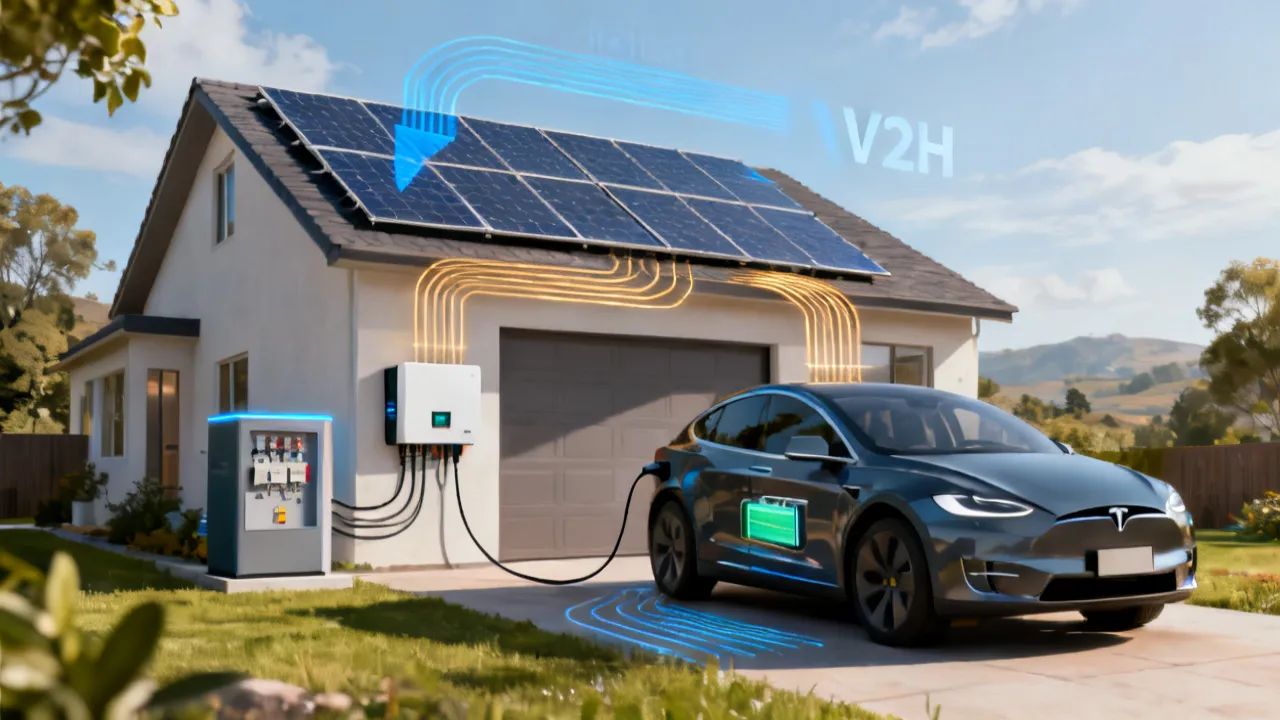
A V2H inverter allows an electric vehicle to supply electricity to a home while also supporting controlled charging from the home’s electrical system. The term V2H means “vehicle-to-home,” and the technology is part of the wider vehicle-to-everything, or V2X, family. In practical terms, a V2H inverter acts as the controlled electrical bridge between an EV battery and selected household circuits or the entire dwelling, depending on the system design.
The important point for prospective buyers is that a V2H inverter is not simply a larger EV charger. A conventional alternating-current charger generally sends electricity in one direction: from the grid or building to the vehicle. A V2H system must manage power in both directions. It converts electricity between the form stored in the vehicle battery and the form required by household appliances, while coordinating protection equipment, switching devices, communications, and operating limits.
When the vehicle is charging, electrical energy moves from the grid or a solar installation toward the EV. When the home requires power, the V2H inverter can reverse the conversion process and deliver electricity from the vehicle battery to the household electrical system. In a properly designed installation, this exchange occurs under defined voltage, frequency, current, and safety conditions.
The technology may serve several purposes:
However, a V2H inverter does not automatically make an EV a universal home battery. Vehicle compatibility, battery-management policies, local electrical regulations, communication protocols, and the installation’s transfer equipment all determine what the system can actually do.
The phrase “V2H inverter” can also describe slightly different hardware arrangements. In some products, the bidirectional power converter is integrated into a dedicated charging station. In others, the vehicle charger and home inverter are separate units connected through a coordinated energy-management system. The physical arrangement matters because it affects installation space, service requirements, efficiency, control capabilities, and the way the system interacts with solar equipment or a stationary battery.
Electricity stored in an EV battery is direct current, or DC. Most household circuits use alternating current, or AC. A V2H inverter must therefore perform power conversion in the appropriate direction and maintain stable electrical characteristics as operating conditions change.
During charging, the system may convert AC from the home into DC for the vehicle battery. During discharge, it generally converts DC from the battery into AC suitable for the home. The inverter also monitors whether the grid is present, whether the vehicle is connected correctly, whether the battery is within its permitted state of charge, and whether the home load is within the equipment’s rating.
In a grid-connected operating mode, the inverter must synchronize with the utility supply. It must match essential characteristics such as voltage and frequency within the limits established by applicable standards. If the utility supply fails, the system must not continue energizing external grid lines. This protection principle, commonly called anti-islanding, is fundamental to the safety of utility workers and the stability of the electrical network.
A backup-capable V2H installation therefore requires more than a bidirectional conversion stage. It may also include:
From an engineering perspective, the quality of system coordination is often as important as the nameplate rating of the inverter. A high-power unit connected to an unsuitable panel, undersized conductors, or a vehicle that does not support the necessary operating protocol will not deliver a reliable V2H experience.
Power conversion also affects heat management. Inverters and charging equipment lose a portion of the energy they process, and that lost energy appears primarily as heat. This is why manufacturers specify temperature limits, ventilation clearances, and mounting conditions. Installing the equipment in a cramped enclosure, exposed to excessive sunlight, or close to combustible materials can reduce performance and create avoidable safety concerns.
A typical arrangement begins with an electric vehicle parked near a compatible charging point. The vehicle is connected through a bidirectional charging system, which may include the V2H inverter directly or may use a separate bidirectional charger and inverter architecture. The household electrical panel is connected to the system through protection and switching equipment. A control platform then monitors the home load, vehicle state of charge, utility status, and user preferences.
Several configurations are possible.
In this configuration, the V2H inverter supplies a limited group of circuits during an outage. These may include refrigerators, lighting, internet equipment, security systems, garage doors, or selected heating and cooling controls. A critical-load panel separates these circuits from high-demand equipment such as electric resistance heating, large water heaters, ovens, and workshop machinery.
Selected-circuit backup is often easier to design because the inverter does not need to support every load in the property. It can also make it simpler to manage starting currents from motors and compressors. The exact circuits must be identified by a qualified installer after examining the household’s load profile.
Critical-load planning should be specific rather than informal. For example, a refrigerator may be placed on a backed-up circuit, while an electric range may be excluded. A gas furnace may use relatively little electricity for controls and blowers, whereas an electric heat pump may consume several kilowatts. The names of appliances alone do not reveal their actual electrical requirements, so the installer should review nameplate ratings, operating patterns, and startup behavior.
A whole-home arrangement connects the V2H system to the main distribution equipment and uses a transfer mechanism to isolate the home from the grid during an outage. The inverter must be sized for the expected continuous load and, where applicable, short-duration starting demand.
Whole-home backup can be practical in some properties, but it should not be assumed that the vehicle can operate every appliance simultaneously. The energy capacity of the vehicle battery and the power capacity of the inverter are separate limitations. A vehicle may contain substantial stored energy yet still be unable to start or run several high-power appliances at once because the inverter’s output rating is lower than the combined demand.
Load-shedding controls may improve whole-home performance. These controls temporarily disconnect nonessential loads when demand approaches the inverter’s limit. For example, the system might prevent a water heater from operating while a heat pump and cooking appliance are running. This can provide broader backup coverage without requiring an inverter sized for the absolute maximum theoretical demand of every circuit.
When a home has rooftop solar, a V2H inverter may be coordinated with the solar inverter and energy-management system. Solar electricity can support household loads, charge the vehicle, or, depending on the system design, help maintain the vehicle’s energy reserve for later use.
Solar integration becomes more complex during an outage. Some solar inverters shut down when the grid disappears unless they are connected to a properly designed backup microgrid. The V2H inverter, transfer equipment, and solar system must therefore be tested as a coordinated arrangement rather than treated as independent products.
In a well-coordinated system, the vehicle may act as an energy reservoir while solar production changes throughout the day. During bright periods, solar power can serve household loads and charge the vehicle. During evening hours, the vehicle may discharge to reduce grid consumption. During an outage, the system may limit solar output if the household load and battery cannot absorb all available generation.
Some homes may already have a stationary battery or may want to install one alongside V2H. This arrangement can provide additional resilience, but it requires carefully coordinated controls. Two battery systems attempting to charge or discharge independently may cause unnecessary cycling, exceed a panel’s capacity, or produce unstable operating behavior during an outage.
The installer should define which system has priority, how reserves are maintained, and how the equipment responds when the EV is disconnected. A combined system should also clarify whether solar energy charges the stationary battery first, charges the vehicle first, or follows a dynamic schedule based on tariffs and expected household demand.
Terminology can be confusing, especially because manufacturers and utilities may use similar descriptions for different functions.
| Technology | Primary Energy Flow | Typical Purpose |
|---|---|---|
| Unidirectional EV charging | Grid or solar system to vehicle | Charging the vehicle battery |
| V2H | Vehicle to home, with controlled charging in the opposite direction | Home energy support and backup operation |
| V2G | Vehicle to utility grid | Grid services or managed energy exchange under utility authorization |
| V2B | Vehicle to building | Energy support for commercial or institutional facilities |
| V2L | Vehicle to appliances or portable loads | Operating equipment through a vehicle outlet or adapter |
V2L can be useful for portable equipment, but it is not equivalent to a professionally integrated V2H system. A V2H installation must control the relationship between the vehicle, the home panel, and the utility supply. It also needs formal protection against unintended energization of external lines.
V2G is broader than V2H because it involves an exchange with the public electricity network. It may require utility approval, aggregation software, specific metering, and participation in an authorized demand-response or grid-services program. A system marketed as “vehicle-to-grid ready” may not provide active grid export in every jurisdiction.
V2B is generally used for commercial buildings, schools, offices, or other facilities where an EV fleet may support building loads. The underlying principles resemble V2H, but the scale, demand profile, electrical service, and control requirements can be substantially different.
Buyers should compare a V2H inverter by looking beyond its headline power figure. The following specifications can materially affect performance and suitability.
Continuous output indicates how much power the inverter can deliver for an extended period under stated conditions. This figure should be compared with the expected demand of the circuits being backed up. If a home relies on a heat pump, well pump, sump pump, or other motor-driven equipment, the installer should also assess the equipment’s starting behavior.
It is useful to distinguish between the inverter’s maximum output and the output available under local temperature conditions. Some equipment may reduce its power rating at high ambient temperatures. A proposal should state the conditions behind its rating and whether the system can sustain the advertised output during a prolonged outage.
Some appliances draw a short burst of current when their motors begin operating. An inverter may have a separate surge rating, but the duration and conditions of that rating matter. A system that appears adequate by continuous wattage alone may still struggle with certain compressors or pumps.
Soft-start devices, load sequencing, or automatic load shedding may help with difficult motor loads. These additions should be evaluated by the installer rather than added casually, because they must be compatible with the appliance and the inverter’s control strategy.
Energy capacity is determined mainly by the vehicle battery and the amount of energy the vehicle permits the V2H system to use. A control system may maintain a reserve so that the driver can still reach a charging location. Consequently, the usable energy available to the home may be lower than the vehicle’s total battery capacity.
Runtime depends on actual household consumption. A home drawing modest power for lighting, refrigeration, communications, and electronics may operate for considerably longer than a home running electric cooking, water heating, space heating, or cooling equipment. Runtime estimates should be based on measured or carefully calculated loads rather than a generic claim.
For planning purposes, it helps to distinguish essential energy from optional energy. A household might require a small amount of power to keep refrigeration and communications operating, but much more energy to maintain normal comfort. The system can preserve runtime by reducing unnecessary loads, but that behavior should be agreed upon before an emergency occurs.
Energy conversion involves losses. Electricity may pass through the charging equipment, battery, inverter, wiring, and household distribution system. The relevant efficiency measure should identify the system boundary used for the calculation. A manufacturer’s figure may refer only to the inverter, while another may describe the entire charging and discharging cycle.
Efficiency is important when evaluating solar self-consumption and tariff-based operation. It is also relevant to battery temperature, ventilation, and equipment placement because conversion losses become heat. A system that moves electricity frequently may lose more energy than a system used primarily for occasional backup.
Outdoor equipment must be suitable for the local climate and protected from water, dust, direct heat, and physical damage. An enclosure rating does not eliminate the need for proper installation. The installer should follow the manufacturer’s clearance, mounting, cable-routing, and ventilation requirements.
Cold weather can also affect battery charging and discharging. Some vehicles restrict charging when the battery is too cold, while others use energy to warm the battery before accepting power. These limitations may be especially relevant during winter outages or when the vehicle is parked outdoors.
V2H depends on communication between the vehicle and the charging system. Compatibility may involve connector design, charging standards, software permissions, battery-management functions, and firmware versions. A vehicle with a physically compatible connector may not support bidirectional operation through a particular inverter.
Consumers should request written confirmation of compatibility from both the vehicle manufacturer and the V2H equipment provider. They should also ask whether updates can change, expand, or restrict supported functions.
Backup transfer time describes how quickly the home changes from utility power to inverter power. Some appliances tolerate a short interruption, while others may reset or shut down. A V2H system should not be described as an uninterruptible power supply unless it has been specifically designed and rated for that function.
Households with sensitive networking equipment, medical devices, computers, or security systems may need separate uninterruptible-power equipment even when the broader home is supported by V2H.
The direct benefit is backup capability. An EV battery can contain substantially more energy than many small stationary backup units, although the usable amount depends on vehicle policy and system settings. During an outage, a properly installed V2H system can help maintain essential household services.
The value of this function depends on local outage patterns, household needs, and whether the vehicle is normally parked at home. If the car is away when an interruption occurs, it cannot serve as a home energy source. Households that require guaranteed stationary backup may therefore still consider a dedicated battery or generator strategy alongside V2H.
V2H can be particularly useful when outages last several hours or when weather events make fuel access difficult. Unlike a fuel generator, the vehicle does not require gasoline or diesel storage, engine operation, exhaust ventilation, or routine fuel maintenance. It still requires adequate battery charge and a safe electrical installation, however.
A V2H system can provide another destination for solar energy when production exceeds immediate household demand. This may increase the share of generated energy consumed within the property, subject to charging limits, vehicle availability, and the control system’s capabilities.
Solar coordination is not automatically beneficial in every tariff environment. The financial result depends on electricity prices, export compensation, demand charges, battery degradation assumptions, taxes, and installation costs.
With appropriate controls, the system can schedule charging during selected periods and reserve vehicle energy for backup. Some systems can respond to household demand, time-of-use rates, or solar forecasts. These functions are most effective when the user defines practical priorities rather than maximizing energy movement at every opportunity.
A vehicle that is already owned and regularly parked at home may provide storage capacity without requiring a separate large battery enclosure. That does not mean the V2H system has low price. A compatible bidirectional charger, inverter, transfer equipment, installation work, permits, and software may represent a substantial investment.
It is also important to account for the mobility function of the vehicle. If the car must be ready for an early commute, the system should maintain a defined driving reserve. A financially attractive energy schedule that leaves insufficient range for normal travel is not a sound household-energy plan.
Where utility programs permit managed charging or export, aggregated EVs may help reduce demand during stressed periods. A single household may have a modest effect, but many coordinated vehicles can provide a flexible resource. Participation may involve compensation, control permissions, special metering, or restrictions on when the vehicle can discharge.
These programs are developing at different rates in different regions. A buyer should treat future grid-service income as uncertain unless a specific utility program, contract, and compensation structure are already available.
The vehicle must be physically connected and sufficiently charged. A household that depends on V2H for emergency power should establish a routine for returning the vehicle to its normal parking location before severe weather or other predictable risks.
Families with multiple drivers should define who can disconnect the vehicle and under what circumstances. A vehicle taken unexpectedly for a long trip may leave the home without its expected backup resource.
Every charge and discharge cycle contributes to battery aging, although the effect depends on chemistry, temperature, depth of discharge, charging rate, calendar age, and manufacturer controls. The vehicle warranty should be reviewed carefully. Some manufacturers permit bidirectional operation only through specified equipment or within defined limits.
It is not responsible to assign a universal monetary value to battery wear without knowing the vehicle, battery warranty, replacement policy, energy prices, and usage pattern. A qualified financial analysis should use the specific vehicle’s documentation and realistic operating assumptions.
Certain appliances are sensitive to voltage variation, frequency behavior, or interrupted transfer. Medical equipment, computers, heating controls, and communications systems may require additional power-conditioning or uninterruptible-power arrangements. The installer should identify which loads need seamless continuity and which can tolerate a brief transition.
Backup operation must isolate the property from the utility network when the grid is unavailable. This requires approved switching equipment and correct control logic. Improvised connections, extension-cord backfeeding, and unauthorized panel modifications create serious hazards and should not be used.
V2H performance may depend on cloud services, firmware, mobile applications, communication networks, or manufacturer policy. Before purchase, ask which functions remain available if internet connectivity is interrupted. Also confirm how software updates are delivered, whether the installer retains service access, and what happens if a product line is discontinued.
A V2H system combines vehicle technology, power electronics, home wiring, utility protection, and software. If a problem occurs, the cause may not be obvious. A charging fault could originate in the vehicle, connector, communications link, inverter, transfer equipment, or utility supply. Buyers should confirm who is responsible for diagnosing the complete system and whether the installer can coordinate with the vehicle manufacturer.
A sound project begins with an assessment rather than a product order. The following sequence helps reduce compatibility and cost surprises.
Skipping the load assessment is a common source of disappointment. A household may purchase a system based on the battery’s energy capacity while overlooking the inverter’s output limit. Conversely, it may choose a high-power inverter even though the property’s service, panel, or intended circuits do not justify the added complexity.
The physical location of the equipment deserves attention as well. A charger mounted close to the parking space may require a long electrical run to the main panel. A unit installed near the panel may require a longer vehicle cable or a different parking arrangement. Cable length, conduit routing, weather exposure, vehicle access, and local clearance rules can all influence the final design and price.
Although requirements vary by jurisdiction and equipment type, a V2H project generally depends on the following conditions:
Some regions may also require a utility inspection or approval before export-capable operation. Even where the system is designed primarily for behind-the-meter backup, the installer should verify whether the equipment can export energy and whether that function must be disabled or authorized.
Emergency responders and utility workers should be able to identify the system’s energy sources and disconnects. Clear labels, accessible isolation devices, and up-to-date documentation are not merely administrative details. They help professionals work safely when the property has multiple sources of electricity, including the grid, solar panels, a stationary battery, and an EV.
The total cost of a V2H project includes more than the inverter or charging unit. A realistic quotation may include the bidirectional charger, inverter, transfer switch, energy-management hardware, vehicle inlet, distribution-panel work, wiring, conduit, protection devices, structural mounting, permits, inspection, commissioning, and any required utility work.
Additional costs can arise if the existing electrical panel lacks capacity, if the vehicle parking area is distant from the main panel, or if a household wants whole-home backup instead of selected circuits. Solar integration and coordination with an existing battery may also require specialized controls.
When comparing proposals, consumers should separate equipment cost from installation cost and identify recurring charges. Software subscriptions, monitoring services, maintenance agreements, and replacement components may influence good value. A proposal should also state whether taxes, permit fees, utility charges, and corrective electrical work are included.
The financial evaluation should consider several questions:
Industry experts generally recommend evaluating V2H first as an energy-resilience and flexibility project, then examining possible financial benefits. This avoids relying on uncertain assumptions about future electricity prices or battery replacement costs.
A fair comparison should use the same assumptions for all alternatives. For example, a V2H quotation should be compared with the cost of a stationary battery that provides a similar usable energy capacity and output, not merely with the price of a basic EV charger. Generator comparisons should include installation, fuel, maintenance, noise, emissions, and permitted operating conditions.
V2H and stationary batteries solve related but different problems. A stationary battery is permanently available at the property, while a vehicle battery travels with the car. A stationary system may provide predictable backup, automated daily cycling, and simpler household scheduling. A V2H system may provide greater stored energy when the vehicle is present, but its availability depends on parking and mobility requirements.
| Evaluation Factor | V2H Inverter System | Stationary Battery System |
|---|---|---|
| Availability | Depends on the vehicle being connected and permitted to discharge | Normally remains at the property |
| Mobility impact | Requires a reserve for transportation | Does not affect vehicle range |
| Integration | Requires vehicle, charger, inverter, and home controls to be compatible | Usually designed as a dedicated home-energy system |
| Backup planning | May offer selected-circuit or whole-home backup, depending on design | Often configured specifically for household backup |
| Top fit | Homes with compatible EVs that are regularly parked at home | Homes requiring predictable, reliable energy storage |
Some households may use both technologies. A stationary battery can cover short interruptions or daily energy management, while the vehicle provides additional capacity during longer events. The combined system must be designed carefully to prevent conflicting controls, unnecessary conversion losses, and excessive charging demand.
Vehicle ownership plans should also be considered. If the EV may be sold, leased, or replaced before the V2H equipment reaches the end of its useful life, the homeowner should ask whether the next vehicle is likely to be compatible. A V2H system designed around one manufacturer’s platform may not transfer easily to another vehicle brand or charging architecture.
A V2H inverter can be programmed around several energy strategies, but the suitable approach depends on the household’s priorities.
In a solar-priority strategy, the system charges the vehicle when solar production exceeds household demand. This can improve onsite use of solar generation, particularly when the vehicle is parked during daylight hours. The energy-management system should still preserve the driving reserve and account for weather uncertainty.
Where electricity prices vary by time, the system may schedule charging during lower-priced periods and reduce household consumption from the grid during higher-priced periods. The benefit depends on the difference between prices and the energy lost during conversion, as well as any restrictions on exporting electricity.
A backup-reserve strategy keeps a specified portion of the vehicle battery available for outages. The reserve may be fixed or adjusted according to weather forecasts, outage history, travel schedules, or user preferences. A higher reserve improves resilience but reduces the energy available for routine household use.
The system may reduce the power drawn from the grid by supplying part of the household load from the vehicle. This can be relevant where a property has a constrained electrical service or where demand charges apply. The control system must ensure that the vehicle does not discharge beyond its permitted rate.
These strategies should be transparent to the user. An application or dashboard should show the current operating mode, vehicle reserve, household demand, grid status, and any active limitations. If the system makes automatic decisions that cannot be easily understood, users may find it difficult to verify whether the equipment is operating as intended.
Automation should also allow exceptions. A driver may need to override a solar-priority schedule before a long journey, or a homeowner may want to raise the backup reserve before a forecast storm. The controls should make such changes straightforward and should clearly indicate when a temporary setting will expire.
A V2H inverter generally requires less routine intervention than an engine-driven generator, but it is not maintenance-free. The equipment should be inspected according to the manufacturer’s instructions and local requirements.
Vehicle battery care also matters. Extreme temperatures, prolonged high state of charge, and repeated deep cycling may affect battery aging, although the impact varies by battery design and manufacturer controls. The vehicle manual should take priority over general charging advice.
Households should maintain a simple operating plan. It should identify which loads remain available during an outage, how to check the vehicle’s state of charge, how to disconnect the system safely, and whom to contact if an alarm appears. Everyone who may use the vehicle or home should understand that a backup system may be operating even when the public grid is down.
A professional consultation should produce specific answers rather than broad assurances. Useful questions include:
The installer should also explain the system’s limitations in plain language. A credible proposal will identify which appliances cannot operate during backup, how long the vehicle may support typical loads, and what steps the household must follow during an emergency.
Ask for a single-line diagram or equivalent system drawing. It should show the grid connection, main panel, transfer equipment, V2H inverter, vehicle connection, solar equipment, stationary storage if present, and backed-up circuits. Reviewing the diagram helps the homeowner understand how the system works and gives future electricians useful information.
V2H systems operate across several technical domains, so no single label establishes complete compatibility. Relevant reference points may include national electrical codes, utility interconnection rules, EV conductive charging standards, inverter safety requirements, electromagnetic-compatibility requirements, and vehicle manufacturer specifications.
Depending on the market, recognized organizations may include national standards bodies, electrical safety authorities, transport regulators, and electric utilities. In the United States, buyers may encounter references to the National Electrical Code, UL product standards, and Institute of Electrical and Electronics Engineers interconnection standards. In other markets, regional standards, grid codes, and certification schemes may apply.
Consumers should ask the installer to identify the exact approvals applicable to the proposed equipment rather than relying on general phrases such as “grid ready” or “smart energy compatible.” Official documentation from the vehicle manufacturer, equipment manufacturer, utility, and relevant standards authority is more dependable than informal online claims.
For broader market context, readers can consult publications from the International Energy Agency, national energy departments, transportation agencies, grid operators, and recognized research institutions. Such sources can explain electric-vehicle adoption, charging infrastructure, electricity-system flexibility, and energy-storage trends without substituting general market data for a property-specific design.
Connector compatibility alone does not prove V2H capability. Bidirectional operation can depend on the vehicle’s onboard systems, battery controls, software authorization, and approved equipment list.
A large battery does not guarantee high household power. Output power, surge handling, reserve settings, and load selection are equally important.
Older panels, crowded breaker spaces, limited service capacity, or unsuitable wiring can increase project complexity. An electrical assessment should occur before final equipment selection.
Some systems have a short transfer interval, while others may require selected equipment to restart. Sensitive devices may need dedicated continuity solutions.
The vehicle’s main purpose remains transportation. A household should establish a minimum range reserve and make sure automated energy schedules respect commuting, emergency travel, and charging access.
Backfeeding a home through an improvised cable or outlet can expose people and utility workers to dangerous voltage. V2H installations should use approved equipment and qualified professionals.
Backup power is limited by both the battery’s usable energy and the inverter’s output. Even a large EV battery will eventually be depleted, and high household demand can shorten runtime dramatically.
A V2H system cannot provide energy when the vehicle is disconnected and absent. A household that needs dependable backup should define an alternative plan for periods when the EV is being driven, serviced, or charged elsewhere.
A V2H inverter is a bidirectional power-conversion device used to move electricity between an electric vehicle battery and a home electrical system. It coordinates charging, discharging, monitoring, and, in backup systems, isolation from the utility grid.
No. A conventional EV charger normally transfers electricity to the vehicle. A V2H inverter or bidirectional charger must also manage power flowing from the vehicle battery to the home, with additional controls and protection requirements.
No. Compatibility depends on the exact vehicle model, battery system, connector, software, manufacturer policy, and approved charging equipment. Confirmation should be obtained in writing before purchase.
It can in some installations, but not automatically. Whole-home operation depends on the inverter’s continuous and surge ratings, the household service, transfer equipment, circuit design, and the loads operating at the same time. Selected-circuit backup may be more appropriate.
Runtime varies with usable vehicle energy, reserve settings, inverter efficiency, and household demand. Essential loads such as refrigeration, lighting, communications, and controls generally consume less power than electric heating, cooling, cooking, and water heating. A site-specific load calculation is needed for a meaningful estimate.
That depends on the reserve programmed into the system and the energy used by the household. A properly configured system can maintain a driving reserve, but users must select a reserve that reflects their daily and emergency travel needs.
Often it can, but integration depends on the solar inverter, backup architecture, communications, and utility rules. During a grid outage, the solar system must be designed to operate safely within the backup island created by the V2H equipment.
Additional cycling may contribute to battery aging. The effect depends on battery chemistry, temperature, depth of discharge, cycling frequency, and manufacturer controls. Warranty terms should be reviewed for explicit treatment of bidirectional operation.
Not necessarily. V2H primarily serves the home. Export to the public grid is a V2G function and may require separate approval, metering, communications, and participation in an authorized program.
Only if the equipment is designed and installed for backup operation. The system must detect the outage, isolate the home from the utility supply, and establish a safe electrical environment for the backed-up circuits.
Behavior varies by product. Some systems retain local charging and backup functions, while others may restrict scheduling or remote monitoring. This should be confirmed in the technical documentation before installation.
It may be. A stationary battery is available even when the vehicle is away and can provide consistent daily operation. The best choice depends on backup expectations, vehicle parking patterns, solar production, budget, and the need for mobility.
A complete quotation should identify the vehicle compatibility, inverter and charger models, power ratings, transfer equipment, protection devices, wiring scope, permits, commissioning, software costs, warranties, maintenance obligations, and exclusions.
It may be able to do so when paired with solar generation or another approved energy source, but this depends on the backup architecture. During an outage, ordinary grid-connected solar equipment may shut down, and the system must carefully balance generation, household demand, and battery charging.
It can be difficult in a multi-unit building because the vehicle parking space, electrical meter, charging infrastructure, and home loads may not be under one owner’s control. Building management, utility metering, fire-safety rules, and shared electrical capacity must all be considered.
A V2H inverter can turn a compatible electric vehicle into a flexible household energy resource, but its success depends on disciplined system design. The central questions are not simply how large the vehicle battery is or how attractive a product description sounds. The decisive issues are bidirectional compatibility, safe grid isolation, inverter output, household load selection, vehicle availability, battery reserve, warranty treatment, and local approval.
For households that regularly park a compatible EV at home, have clear backup priorities, and can support professional installation, V2H may provide a useful combination of resilience and energy management. For households that need reliable backup regardless of vehicle location, a stationary battery may be more predictable. In some cases, a coordinated combination of both technologies can provide the strongest result.
The reliable purchasing method is straightforward: define the household objective, verify the exact vehicle and equipment compatibility, assess the electrical service, calculate realistic loads, review official requirements, obtain a detailed quotation, and test the finished system. Approached this way, a V2H inverter becomes more than a charging accessory; it becomes one component of an integrated residential energy system.
The technology is developing rapidly, so buyers should avoid judging a system solely by present-day marketing language. Compatibility lists, utility programs, firmware capabilities, and warranty policies can change. Written documentation, qualified installation, and a clear understanding of operating limits provide stronger protection than assumptions based on a connector type or a high battery-capacity figure.
Striking the Perfect Balance: Navigating Premiums and Out-of-Pocket Expenses in Senior Insurance Plans

Explore the Tranquil Bliss of Idyllic Rural Retreats

How to Make Lasting Memories at Disneyland Attractions

Affordable Phones and Plans for Seniors

Affordable Full Mouth Dental Implants Near You

Unlock the Top Kept Secrets to Finding Your Ideal Dentist for Flawless Dental Implant Results!

Discovering Springdale Estates

Unveiling RS Sul Telecom Services

The Guide to Car Trading
The Rise of Electric Automobiles
Electric automobiles represent a significant shift in the automotive industry, focusing on sustainability and innovation. These vehicles utilize electric propulsion systems, as opposed to traditional internal combustion engines, offering benefits such as reduced emissions and enhanced efficiency. As technology advances, electric automobiles are becoming increasingly appealing to consumers and are seen as a critical element in the global push towards greener transportation solutions.
The Rise of Electric Automobiles
Electric automobiles are becoming increasingly integral to the automotive industry, representing a shift towards more sustainable transportation solutions. These vehicles, powered by electric motors instead of internal combustion engines, offer numerous advantages such as reduced emissions and lower operating costs. This comprehensive guide explores the various aspects of electric automobiles, including their technology, market trends, and future outlook.

Understanding Electric Automobiles Today
Electric automobiles represent a transformative shift in the automotive industry, offering a sustainable alternative to traditional vehicles. With advances in battery technology and global commitments to reducing carbon emissions, electric cars are poised to dominate future transportation. This article explores key aspects of electric automobiles, including their technology, market trends, and consumer considerations.
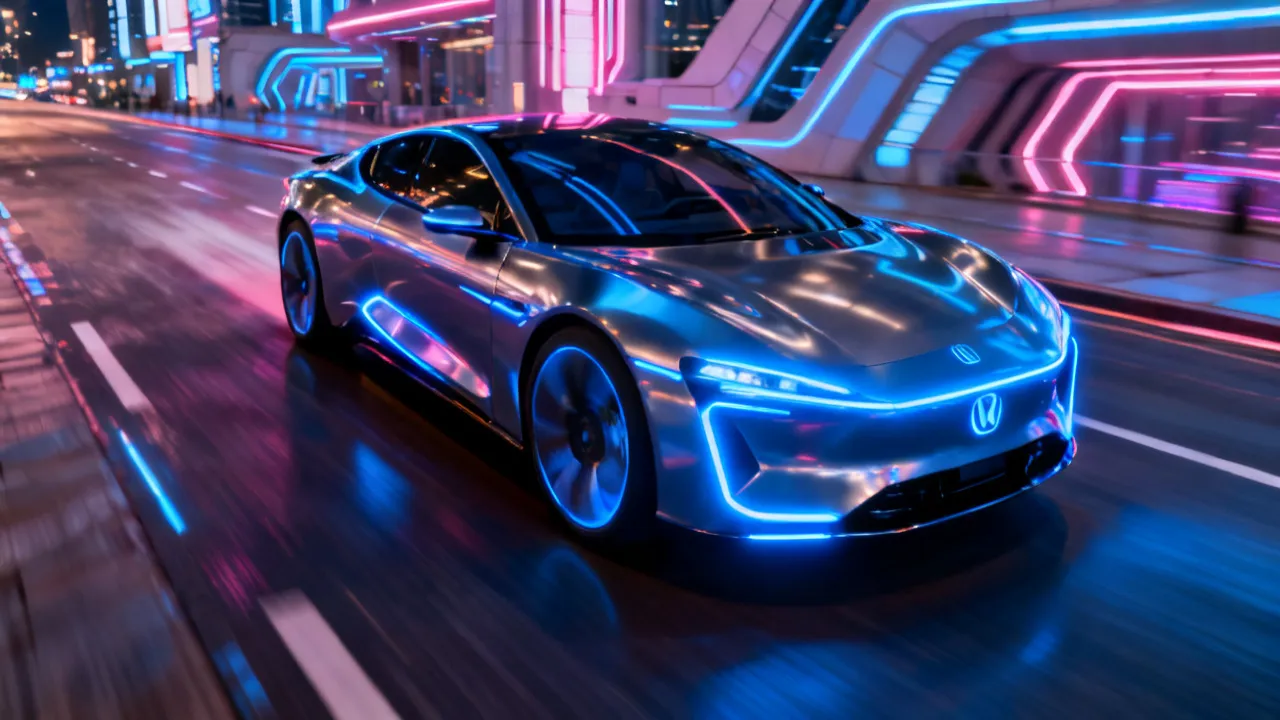
The Rise of Electric Automobiles
Electric automobiles are revolutionizing the transportation industry, gaining traction for their environmental and economic benefits. As technology advances, electric vehicles (EVs) are becoming increasingly accessible and efficient, contributing to reduced carbon emissions and promoting sustainable energy usage. This article explores the current landscape, challenges, and future potential of electric automobiles.
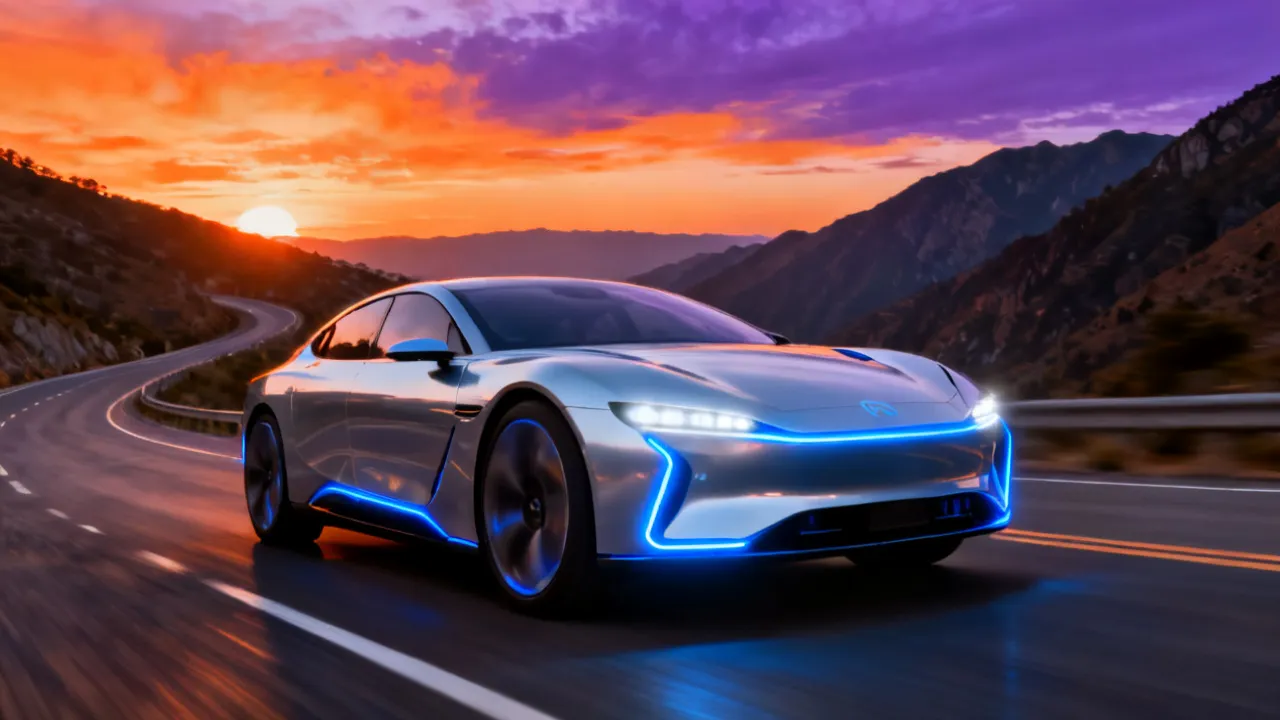
Revolutionizing Transport with Electric Automobiles
Electric automobiles are at the forefront of a transformative shift in transportation as they redefine efficiency and sustainability standards. Driven by the need to reduce emissions and embrace renewable energy, electric vehicles (EVs) have rapidly evolved, offering consumers an eco-friendly alternative to traditional gasoline-powered cars. This comprehensive guide explores the key features, benefits, and industry insights related to electric automobiles.
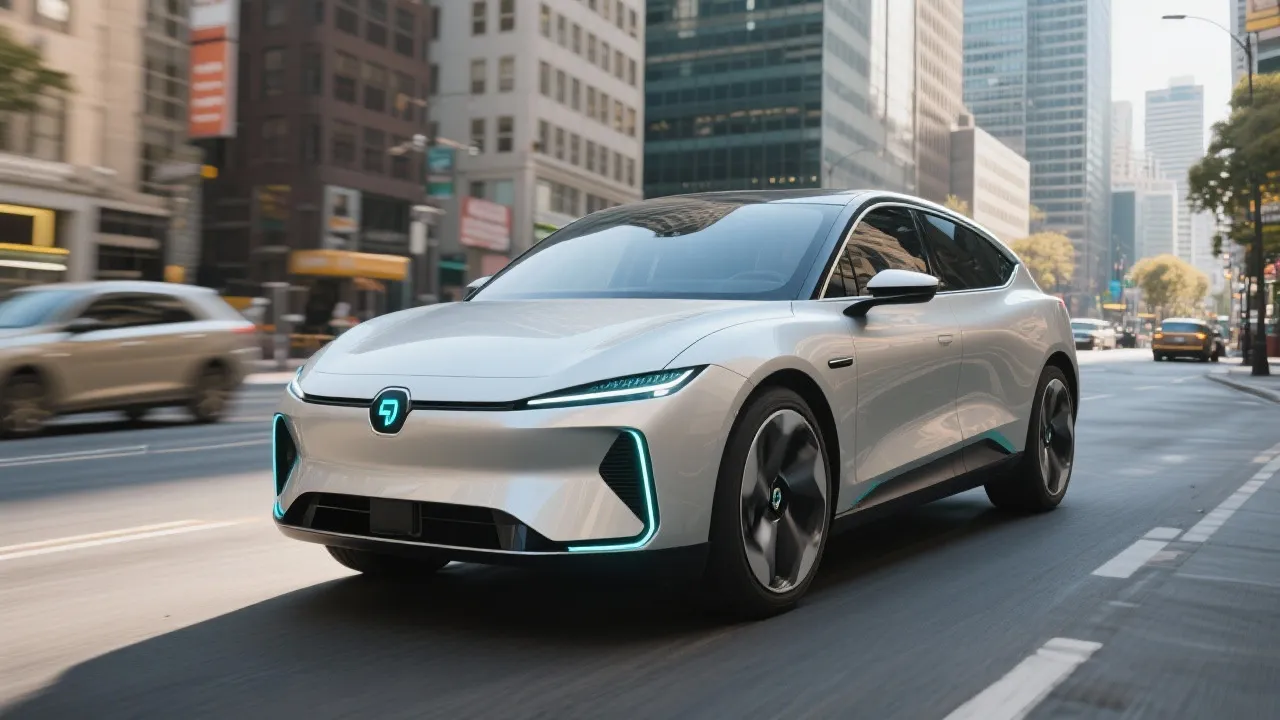
Navigating the Awd Phev Landscape
This guide explores the AWD PHEV market and its impact on modern transportation. Platform Hybrid Electric Vehicles (PHEVs) with All-Wheel Drive (AWD) are evolving rapidly and offer a sustainable alternative to traditional vehicles by combining electric and gas power for efficiency and adaptability. As demand rises, this article analyzes the technological innovations and adoption trends.
