This guide explores the revolutionary impact of Fitz Enz in 1990 on human resources analytics, a field pivotal in modern organizational management. The work of Jac Fitz-enz introduced groundbreaking concepts that enhanced the understanding of HR metrics and analytics. This background analysis highlights key developments and methodologies that have shaped HR analytics as a critical function for business success.
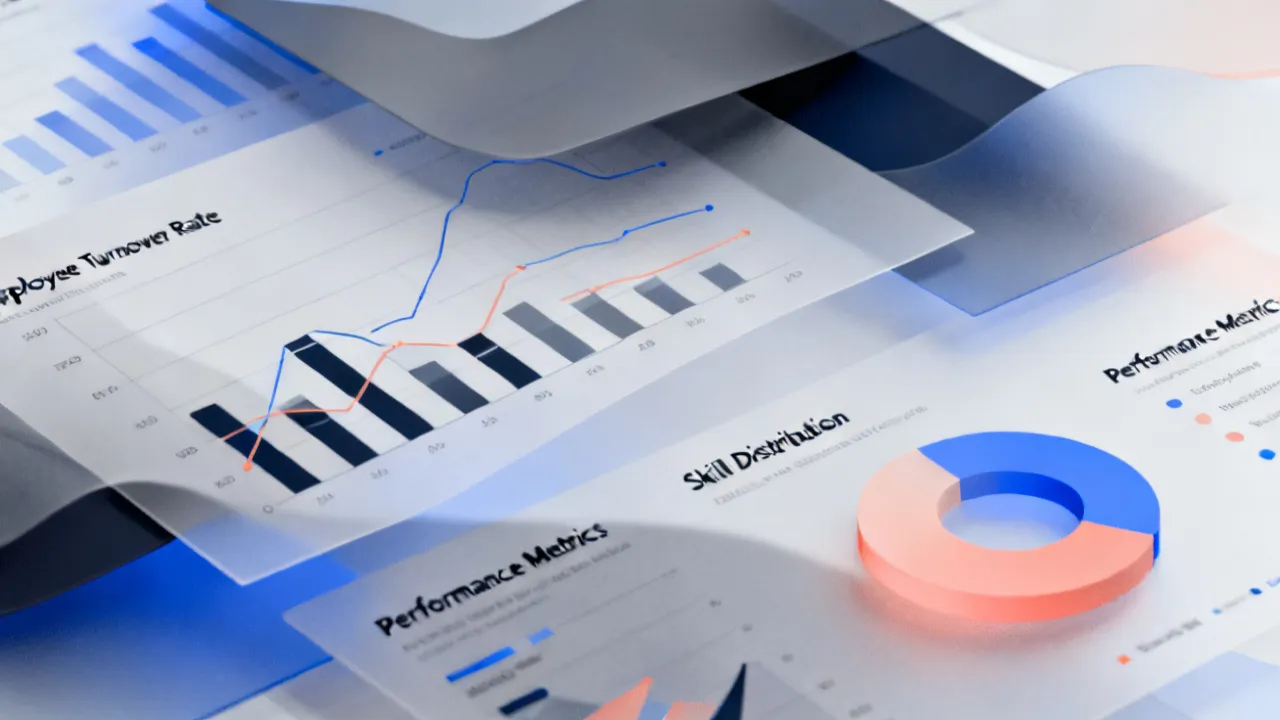
Human Resources (HR) analytics has emerged as a critical function in contemporary business practices, facilitating informed decision-making through empirical data. The pioneering contributions of Jac Fitz-enz in 1990 were instrumental in establishing a framework that organizations worldwide utilize to optimize human capital management. In today’s data-driven landscape, HR analytics transcends mere data collection; it involves transforming that data into strategic insights that can directly influence organizational success.
In 1990, Dr. Jac Fitz-enz introduced a paradigm shift in the way organizations perceive and manage their human resources. His approach provided a scientific methodology to measure HR effectiveness and productivity, laying the foundation for what is now known as HR analytics. Fitz-enz's models emphasized data-driven strategies and the critical examination of HR functions, allowing for improvements in efficiency and strategic planning. He articulated the need for organizations to adopt a measurement-oriented approach to human capital, thus enabling businesses to quantify the impact of HR initiatives on overall performance.
This breakthrough was not merely an academic exercise; it reflected an urgent need for businesses to align their HR strategies with organizational goals amidst rapidly changing market conditions. By leveraging data analytics, organizations began to uncover patterns in employee behavior, training efficacy, and retention rates, leading to more focused and effective HR policies that align with the overall business strategy.
HR analytics significantly impacts organizational development by providing insights into workforce dynamics, performance measures, and strategic alignment with business goals. The implementation of analytics empowers HR professionals to assess employee engagement, turnover rates, and training needs, contributing to a company's overall success. Effective analytics involve the transformation of raw data into actionable insights, promoting informed decision-making and sustainable corporate strategies.
Furthermore, the significance of HR analytics extends beyond tactical applications. It encompasses strategic foresight, allowing organizations to anticipate future challenges related to talent acquisition and workforce dynamics. For instance, through predictive analytics, HR departments can forecast turnover trends, understanding which departments or roles may be at risk of losing key personnel and enabling proactive intervention strategies.
As companies increasingly embrace analytics, the role of HR evolves from traditional personnel management to strategic partner, enabling HR leaders to engage at the highest levels of decision-making within organizations. This shift not only enhances HR's credibility but also fosters a culture of continuous improvement and data-driven decision-making across all business functions.
The core concepts introduced by Fitz-enz revolve around the systematic collection and analysis of HR data. Key terminology includes:
Fitz-enz emphasized the concept of the 'HR Value Chain,' which illustrates how effective HR practices lead to favorable outcomes. By mapping the relationship between HR investments and organizational performance, businesses can better understand the return on investment in HR initiatives.
| Benefits | Explanation |
|---|---|
| Enhanced Decision-Making | Data-driven insights lead to more informed HR decisions and strategic alignment with organizational goals. Instead of relying on intuition, HR professionals can make evidence-based decisions that align with the organization's vision and objectives. |
| Improved Productivity | Analytics identify areas for efficiency and performance enhancements, helping maximize employee output. By pinpointing bottlenecks in processes and addressing them, organizations can bolster overall productivity. |
| Talent Management | Better data analysis aids in identifying potential talent and devising growth and retention strategies. By understanding who their high performers are and the traits associated with success, organizations can better nurture and develop their talent. |
| Strategic Planning | Informed HR analytics support good strategic planning and resource allocation, fostering business growth. By anticipating workforce needs and aligning them with organizational strategy, companies can better position themselves for future success. |
In addition, successful integration of HR analytics can lead organizations to cultivate a culture of accountability. When employees see how their roles and performances are measured and evaluated, they often become more engaged and motivated. This dynamic creates a workforce more in tune with the organization’s performance metrics and overall objectives.
While HR analytics offers immense potential, its implementation presents several challenges:
Understanding these challenges allows organizations to better prepare for the hurdles they may face. By investing in training and resources to enhance data literacy throughout the organization, HR can position itself more strategically, leveraging analytics to improve the overall workplace environment.
Today, HR analytics continues to evolve, integrating technologies like AI and machine learning, which offer predictive analytics capabilities. These advancements enable organizations to preemptively address HR issues and optimize workforce management. Emerging trends suggest a growing emphasis on real-time data analysis and personalized employee experiences as key focus areas for future HR strategies.
As companies continue to embrace digital transformation, the role of HR analytics is expected to expand. One major trend is the incorporation of advanced machine learning algorithms that can analyze patterns within employee data on a deeper level. For instance, companies can utilize these algorithms to predict probability and propensity for even more specific outcomes like employee who might need additional support to enhance performance or those likely to leave the organization for better opportunities. This capability enables a proactive approach rather than reactive issues too common in workforce management.
Moreover, the emphasis on employee experience is likely to grow. Companies will increasingly seek metrics that measure employee satisfaction and engagement in real time, allowing for immediate responses to issues as they arise. The understanding of workforce dynamics will shift towards fostering employee well-being as central to achieving business outcomes.
Additionally, as organizations adopt more diverse and inclusive hiring practices, HR analytics will play an essential role in ensuring these programs' effectiveness. By analyzing data related to gender, ethnicity, and other demographics, organizations can measure whether their initiatives lead to a truly diverse workplace or if they result in superficial compliance.
The infusion of social media and other external data sources will further enrich HR analytics, allowing organizations to benchmark their performance against industry standards and create competitive advantage through informed recruiting and employer branding strategies.
What is the primary purpose of HR analytics?
HR analytics aims to provide data-driven insights into the workforce, facilitating effective and strategic decision-making. By translating raw data into insights, HR analytics supports the overall business strategy and enhances organizational effectiveness.
How has Fitz Enz contributed to HR analytics?
Fitz Enz introduced key concepts and methodologies that emphasized the use of empirical data to measure and enhance HR functions, establishing a foundation for modern HR analytics. His work continues to influence how organizations approach performance measurement and optimization of human resources today.
What are the challenges associated with HR analytics?
Challenges include managing complex data, ensuring seamless integration with existing systems, safeguarding data privacy, and overcoming cultural resistance to analytics-driven decisions. Addressing these challenges is crucial for organizations aiming to achieve a data-centric HR strategy.
What technological trends are influencing HR analytics today?
The rise of artificial intelligence, machine learning, real-time data analysis, and social media integration are all influencing HR analytics. These technologies enhance predictive analytics capabilities, allowing organizations to anticipate workforce trends and personalize employee experiences.
How can organizations overcome resistance to adopting HR analytics?
To overcome resistance, organizations should foster a data-driven culture by demonstrating the practical benefits of analytics through case studies, providing training on data interpretation, and actively involving stakeholders in the decision-making process to showcase the value of analytics.
The evolution of HR analytics represents a significant shift in how organizations view and manage their human resources. As data becomes increasingly integral to business success, the emphasis on precise, analytical approaches to HR functions enables companies to adapt to changing market dynamics while remaining attuned to their employees' needs. The ongoing advancements in technology and methodology promise a future where HR analytics will further enhance strategic decision-making and organizational performance, ensuring that companies can thrive in a competitive landscape.
Embracing HR analytics is no longer an optional element of strategic management; it is a fundamental aspect that organizations must prioritize to maximize their return on human capital investments. By investing in their analytics capabilities, organizations not only bolster performance but also create a workplace environment that values data-driven insights and continuously improves upon them, thereby empowering both employees and the organization as a whole.
Striking the Perfect Balance: Navigating Premiums and Out-of-Pocket Expenses in Senior Insurance Plans

Explore the Tranquil Bliss of Idyllic Rural Retreats

How to Make Lasting Memories at Disneyland Attractions

Affordable Phones and Plans for Seniors

Affordable Full Mouth Dental Implants Near You

Unlock the Top Kept Secrets to Finding Your Ideal Dentist for Flawless Dental Implant Results!

Discovering Springdale Estates

The Guide to Car Trading

Affordable Cell Phones Without Plans

Unveiling Grunig & Hunt's PR Models
This article explores the seminal work of Grunig & Hunt in developing models of public relations. The Grunig & Hunt models, fundamental to understanding PR theory, provide insight into the strategic approaches and methodologies utilized in the field. Each model offers a distinctive perspective on communication and engagement strategies, relevant to both academic discussions and practical applications.

Understanding Attimo Family Office
Attimo Family Office represents a new trend in wealth management services, designed to serve high-net-worth families with personalized attention and expertise. These offices provide tailored financial, investment, and lifestyle management to ensure good wealth preservation and growth. Emphasizing trust, discretion, and bespoke solutions, they cater to the distinct needs of affluent families.

Navigating Attimo Family Office Services
Attimo Family Office is a specialized financial service provider dedicated to managing the complex financial needs of affluent families. By offering personalized advice tailored to each family's unique circumstances, they help in safeguarding wealth across generations. The concept of a family office has been increasingly embraced by high-net-worth individuals seeking tailored investment strategies, tax planning, and legacy management.
Understanding Grunig & Hunt's PR Models
This article delves into the renowned Grunig & Hunt models of public relations, highlighting their significant contribution to the field of strategic communication. Developed by James E. Grunig and Todd Hunt, these models have guided PR practitioners in understanding and executing effective public relations strategies. This guide aims to elaborate on each model, explore their application in real-world scenarios, and underscore their relevance in contemporary PR practices.

Unveiling the Optimar Rae
An in-depth exploration of the Optimar Rae, a frontrunner in seafood processing. Known for its advanced technology and efficiency, the Optimar Rae plays a pivotal role in modernizing seafood operations. This article delves into its significance, examining how it enhances productivity while maintaining environmental standards, marking a new era in maritime industry advancements.

Mastering Employee Retention Strategies
This article delves into the essential role of an Employee Retention Consultant. Employee retention is crucial for maintaining a competitive edge and fostering a positive work environment. Professional consultants help organizations in developing tailored retention strategies to reduce turnover, increase job satisfaction, and enhance overall productivity. Explore expert insights, strategies, and FAQs in employee retention.