This guide explains how to apply 4Ps Kotler thinking to build practical marketing plans, connect with real customer needs, and improve decision quality across Product, Price, Place, and Promotion. It provides objective background on the 4Ps framework and how suppliers, pricing structures, and market context affect outcomes, offering a structured supplement for evaluation, conditions, and next steps.
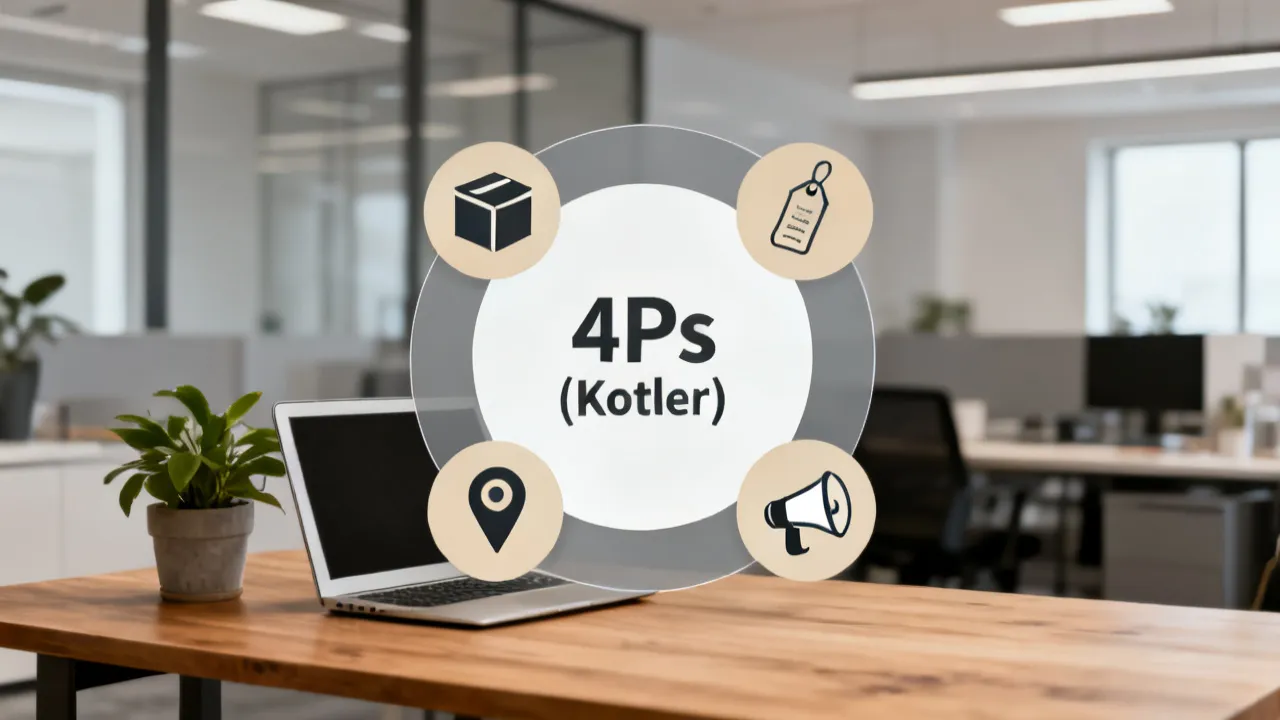
4Ps Kotler remains one of the most practical ways to impose structure on marketing decisions when the market is messy and internal constraints are real. If you’re trying to align your Product (what you offer), Price (how you charge), Place (where it’s delivered), and Promotion (how customers learn and engage), the 4Ps give you a decision structure that encourages teams to evaluate customer requirements and operational realities together—rather than in separate meetings, separate spreadsheets, or separate silos.
In other words, 4Ps Kotler works because it forces coherence. Pricing isn’t just a finance decision; it changes how customers interpret quality and risk. Distribution isn’t just logistics; it defines delivery speed and the level of support that customers experience. Promotion isn’t just “awareness”; it creates expectations that product and place must fulfill.
From an industry-expert perspective, the very valuable outcome of this framework is not “filling in the four boxes.” The real benefit is building consistent logic: the product promise should match how you price and deliver it, and your promotion should credibly represent that experience. When that logic holds, marketing becomes less about improvisation and more about reliable market delivery.
4Ps Kotler is widely used as a marketing mix model, generally attributed to Philip Kotler’s broader marketing thinking. The model organizes marketing variables into four controllable categories. While many modern marketers add “people,” “process,” or “physical evidence” in certain contexts, the original 4Ps still provide a shared language for making decisions.
At a practical level, the framework breaks down into:
In objective terms, the framework is a planning lens. It does not replace market research. Instead, it translates research findings into operational decisions. For instance, customer research might tell you that buyers value “fast setup” and “low troubleshooting time.” The 4Ps then help translate that into a product promise (what must be built), price packaging (what buyers are willing to pay for convenience), place delivery and support (how quickly customers can start), and promotion proof (how you communicate those claims credibly).
Reputable marketing literature consistently presents the 4Ps as a structured way to design offerings and communications in harmony with target customers and competitive context. Even if you ultimately refine the model for your industry, the core principle remains: your marketing choices must reinforce each other.
Many teams stumble when they treat each “P” as a separate project. The most robust implementations treat the four elements as a connected system. A “good” product strategy can fail if the price signals something different than the product experience. A strong ad campaign can underperform if distribution cannot fulfill demand or cannot support the service expectations the ad implied.
Below is how an expert would typically evaluate each component and their interdependencies.
A common error is to describe product strategy as a list of features. In a 4Ps Kotler approach, you start with the customer outcome you intend to enable—then trace backwards to what must be built and supported. This is especially important for B2B, healthcare-adjacent, financial, and other regulated or high-stakes categories where customers evaluate both performance and risk.
When you define “product” as a promise, it includes the entire experience around the offering, not only the core deliverable. That can involve:
In consumer categories, “product” as a promise might include usability, taste/feel, durability, ease-of-maintenance, return policy simplicity, and even the emotional meaning of the brand. The key is: the promise must align with what your customers actually experience after purchase.
When suppliers are involved, product decisions often collide with procurement realities. For example:
Industry practice emphasizes that product strategy should specify what you will consistently deliver and what you will not. This clarity protects margin and reduces operational strain later. It also helps marketing avoid the temptation to oversimplify claims. If customer support hours differ by plan, promotion should reflect it. If certain features only exist in higher tiers, you must decide whether you will lead with the flagship capability or educate customers about tiering—either way, the message should match the real product promise.
Another expert nuance: product strategy should include “failure modes.” Ask what happens when demand spikes, when inventory runs low, when a supplier substitution is required, or when a bug occurs. A credible product promise often includes how you handle exceptions. This is where product, place, and promotion meet in practice.
Price strategy is frequently oversimplified as “set a number.” In a 4Ps Kotler approach, pricing is a value communication mechanism and a lever that influences channel behavior, demand patterns, and customer expectations for service quality.
Price is also a structural decision. If you charge a premium, you are implicitly committing to a premium experience. If you discount heavily, you may stimulate demand but also attract deal-seekers who churn quickly and increase cost-to-serve. If you use short payment terms, you may improve cash flow but change the buying process for enterprise accounts.
When teams have price inputs and supplier costs, the key is to translate the cost structure into a pricing model that customers can understand and that the business can sustain. This includes not only product costs, but also operational costs that affect service quality: returns processing, warranty handling, support labor, shipping and fulfillment costs, and the overhead of managing inventory and variants.
Even without publishing specific figures, a credible pricing plan typically addresses the following:
Expert teams also consider pricing psychology and buyer behavior. For example, enterprise buyers often want predictability and governance. If your price changes every month due to supplier volatility, you may lose deals not because the “average” price is high, but because procurement cannot forecast costs reliably. Similarly, if your promotion repeatedly emphasizes “lowest price,” your sales team may be forced to win on discounts rather than on value, which increases dependency on margin erosion.
In many organizations, the pricing decision should explicitly match the product promise. If your product includes strong support and service response times, your pricing must fund those service levels. If you don’t, you risk “support debt”—a hidden operational burden that later manifests as poor customer satisfaction, refunds, churn, and expensive escalations.
From an external research perspective, organizations often reference established pricing fundamentals and measurement approaches from academic and industry sources. Where firms publish performance claims (e.g., “our pricing improves conversion by X%”), they should cite internal studies or credible external reports rather than relying on informal estimates. This is one more way the 4Ps framework improves marketing credibility: it encourages you to ground decisions in evidence and measurable reasoning.
Place strategy is often treated like a logistics exercise. While logistics matter, place is more broadly the set of decisions that determine whether customers can obtain the product when they need it—and with the level of support they expect.
From an expert standpoint, effective place planning includes:
For many products, the “place” decision is inseparable from the actual promise. Consider a service that requires installation or integration. If you sell through a channel that cannot schedule installation quickly, you are effectively changing the product experience. Likewise, if you sell through a distributor with inconsistent product knowledge, customers may struggle to use the product and blame the brand—even if the technical product is strong.
When suppliers have lead times or minimum production constraints, place decisions must account for forecasting accuracy and buffer inventory policies. A 4Ps plan becomes more credible when operations and procurement are represented in the distribution design.
Expert practice also involves mapping the place strategy to the customer journey. For example:
If you cannot deliver the experience implied by promotion at each of these points, you’ll see drop-offs, refund requests, and negative word-of-mouth. That is why place is a core “P,” not an afterthought.
Promotion is where many marketing plans become fragile. Overpromising in advertising or sales presentations can create customer dissatisfaction if product and place do not deliver the promised experience.
A strong promotion plan built on 4Ps Kotler typically follows a consistent narrative:
In digital environments, “promotion” includes content strategy, sales enablement collateral, and customer education. Industry professionals often treat these as part of a unified promotion system rather than disconnected campaigns. If your paid ads say “instant setup,” but your onboarding tutorials and sales support contradict it, you create confusion and mistrust.
It can also be helpful to separate “promotion” into multiple functions in your planning: awareness, consideration, conversion, and post-purchase education. In many modern strategies, a significant share of promotional impact happens after purchase. Customers who feel supported become less likely to churn and more likely to recommend the product.
Promotion must also consider legal and compliance constraints. In regulated categories, claims about efficacy, performance, or compliance must be substantiated. This requirement directly impacts product and promotion alignment: if you don’t have test results, you shouldn’t claim specific outcomes.
The strongest 4Ps plans are internally consistent. A practical way to check consistency is to audit the customer journey end to end. For example:
When these questions are answered clearly, marketing becomes less about “campaigns” and more about dependable market delivery. Teams can execute with fewer emergency revisions because the system is coherent.
Consistency can also be measured. Consider running internal “promise audits” before launch. Marketing proposes claims; product confirms feasibility; operations confirms supply and lead times; finance confirms discount boundaries; customer success confirms support processes. This is not bureaucracy; it’s a reliability layer that protects customer trust and reduces long-term cost.
The following supplement helps translate 4Ps Kotler thinking into an evaluation workflow. It compares how each “P” behaves, what inputs to gather, and what conditions should be satisfied before finalizing decisions.
| 4Ps Element | Typical Focus | Key Inputs to Gather | Decision Conditions / Requirements |
|---|---|---|---|
| Product | Customer outcome, feature set, service components | Customer needs research, technical specs, quality targets, supplier capability, warranty/service requirements | Must deliver the promised experience reliably; must be feasible with supplier lead times and quality standards |
| Price | Value communication, margin sustainability, discount policy | Cost structure, competitor reference points, willingness-to-pay research (where available), channel margin expectations | Must be consistent with product promise and channel economics; promotions must not erode good value perception |
| Place | Channel strategy, availability, delivery and support | Channel capability, logistics/fulfillment capacity, inventory planning constraints, customer accessibility data | Must meet delivery/support expectations implied by promotion; must handle demand variability without unacceptable service failures |
| Promotion | Messaging, awareness, education, sales enablement | Target segment behavior, communication goals, proof assets, compliance requirements (if applicable) | Must accurately represent product and service terms; must be tailored to where customers decide |
To apply 4Ps Kotler to real marketing decisions, use a sequence that forces evidence and feasibility checks. The goal is not only to decide, but to reduce avoidable misalignment across teams.
Even when a company operates digitally, supplier reliability and distribution conditions shape what you can promise. If you operate near a specific market—such as “nearby” communities served by regional logistics—local service expectations can differ. Customers may expect predictable delivery and straightforward returns in some regions, while in other regions trust-building through after-sales support may be the decisive factor.
Localization can influence promotion style too. For example, a common communication preference in certain regions is a direct, service-oriented tone that emphasizes practical benefits and support availability. When promotion reflects these cultural expectations and the place strategy can fulfill them, the overall marketing mix becomes more credible.
Location and distribution constraints also influence inventory strategy. If shipping times vary by region, you may need regional offers, different delivery timelines on your website, or localized customer support. In a 4Ps Kotler plan, these differences shouldn’t be hidden. They should be reflected in product packaging, pricing tiers, distribution promises, and promotion language.
In B2B, “place” might involve account coverage and procurement channels. If your target customers purchase through a specific procurement portal or require certain ordering processes, your “place” strategy must support that reality. For enterprise buyers, place can also include the ability to implement quickly, provide documentation for audits, and assign dedicated support teams. If you can’t deliver on those components, your promotion may create deals that stall during procurement, or worse, deals that close and then fail to reach adoption.
Even teams that understand the 4Ps conceptually can fail when execution ignores the interdependencies. Common pitfalls include:
Another subtle pitfall is “one-way consistency.” Teams may ensure promotion matches product at launch, but then fail to maintain consistency during operational changes (supplier substitution, updated packaging, revised shipping timelines, or support process updates). A strong 4Ps system includes operational governance so the promise doesn’t drift.
It’s also common to ignore how pricing and place influence each other. For instance, if you price low but choose premium delivery channels (or vice versa), your unit economics may deteriorate. A coherent 4Ps plan considers these relationships from the start.
To maintain objective rigor, firms typically rely on established measurement practices such as conversion tracking, customer acquisition cost metrics, retention analysis, and service quality indicators. The key is to measure both marketing performance and operational performance. A campaign can generate leads while operations fail to fulfill promised delivery, resulting in later churn. Without operational KPIs, marketing may mistakenly conclude that the product or place strategy is “fine” and the issue is merely “ad targeting.”
Common measurement categories include:
For external benchmarks and methodological guidance, widely used sources include the American Marketing Association (AMA) for marketing definitions and research standards. For certain cost and industry context, the U.S. Bureau of Labor Statistics (BLS) may be relevant depending on the data needed. For digital measurement approaches, many organizations follow standards and reporting frameworks described by reputable analytics and industry bodies.
When referencing performance figures, the responsible approach is to cite the specific report, year, and methodology. If you plan to publish statistics in marketing materials, ensure they come from credible, verifiable sources such as government agencies, peer-reviewed studies, or recognized industry reports. The goal is not only accuracy; it’s credibility. In promotion, credibility is a form of “product.”
Additionally, expert teams connect metrics to each “P.” If conversion is high but retention is low, the issue might be product promise mismatch (or promotion overpromising), not lead quality. If conversion is low in a certain channel, the issue might be price presentation or place accessibility. A measurement model aligned to the 4Ps helps teams diagnose faster and avoid blame cycles between departments.
4Ps Kotler refers to the marketing mix framework that organizes marketing decisions into Product, Price, Place, and Promotion. It helps teams align offering, pricing, distribution, and messaging with target customer needs and competitive context.
Suppliers influence Product feasibility (quality and specifications), Price (cost structure and margins), and Place (lead times and supply reliability). In a strong 4Ps plan, supplier constraints are reviewed before finalizing the marketing mix and before promotion claims go live.
In well-integrated planning, promotion should follow the product promise and pricing logic so messaging remains accurate. Many teams create draft narratives early, but final campaign claims should be approved only after product capabilities, service terms, and channel delivery capabilities are confirmed. This reduces the risk of customer disappointment and brand damage.
Yes. In B2B, “Product” can include service scope, onboarding, and support; “Place” can reflect procurement channels, sales territories, and account management coverage; “Promotion” often centers on proof, proposals, and industry-specific education. The structure remains the same, even though the execution differs from consumer marketing.
Use metrics tied to your goals and break them down by channel and segment. Common measures include conversion rate by channel, lead quality, customer satisfaction and retention, cost-to-serve, and adherence to service-level targets. Pair marketing KPIs with operational KPIs (fulfillment reliability, response times, onboarding completion rates) to detect mismatches early.
Run a consistency check: verify that promotion claims match product capabilities, price positioning matches the service experience, and place strategy can deliver expected availability and support. Then review supplier lead times against your planned demand and promotion calendar. Finally, trace a few customer journeys end-to-end to see where expectations break.
When applied thoughtfully, 4Ps Kotler becomes more than a textbook model—it becomes an operational strategy tool. By treating Product, Price, Place, and Promotion as connected decisions, and by factoring supplier constraints and delivery realities into the plan, organizations can build marketing that is both persuasive and dependable.
The end result is a marketing mix that customers experience as coherent, and teams can execute without constant rework. Instead of debating whether the problem is “a marketing issue” or “an operations issue,” the 4Ps framework encourages a single shared reality: customer value must be delivered consistently from the moment they see the message to the moment they receive—and successfully use—the product or service.
Striking the Perfect Balance: Navigating Premiums and Out-of-Pocket Expenses in Senior Insurance Plans

Explore the Tranquil Bliss of Idyllic Rural Retreats

How to Make Lasting Memories at Disneyland Attractions

4rkojvsx Technology: Industry Insights and Buying Guide

Affordable Phones and Plans for Seniors

Affordable Full Mouth Dental Implants Near You

Unlock the Top Kept Secrets to Finding Your Ideal Dentist for Flawless Dental Implant Results!

Discovering Springdale Estates

Unveiling RS Sul Telecom Services


Exploring the Retipster Club Advantage
The Retipster Club is an invaluable resource for real estate investors, offering a plethora of insights, tools, and community support to boost investing endeavors. Aimed at helping both novice and seasoned investors, the club provides educational materials, success stories, and expert strategies tailored to the ever-evolving real estate market landscape. Dive into this analysis to understand the manifold benefits the Retipster Club offers to enhance real estate success.

Navigating the Retipster Club
This article delves into the unique offerings of the Retipster Club, a community designed for individuals interested in real estate investment, providing educational resources and networking opportunities. Discover how the club supports its members through expert advice, comprehensive guides, and a robust community platform, all tailored to foster insightful and profitable investment strategies.

Pmoc Abrava: Practical Procurement and Quality Considerations
This guide explains how to approach Pmoc Abrava procurement with a quality-first, compliance-minded process. “Pmoc Abrava” is discussed as a term used in sourcing contexts, covering typical decision factors such as specification clarity, supplier capability, documentation, and handling requirements—using an objective framework for safer purchasing, risk control, and consistent performance.

Unveiling Grunig & Hunt's PR Models
This article explores the seminal work of Grunig & Hunt in developing models of public relations. The Grunig & Hunt models, fundamental to understanding PR theory, provide insight into the strategic approaches and methodologies utilized in the field. Each model offers a distinctive perspective on communication and engagement strategies, relevant to both academic discussions and practical applications.
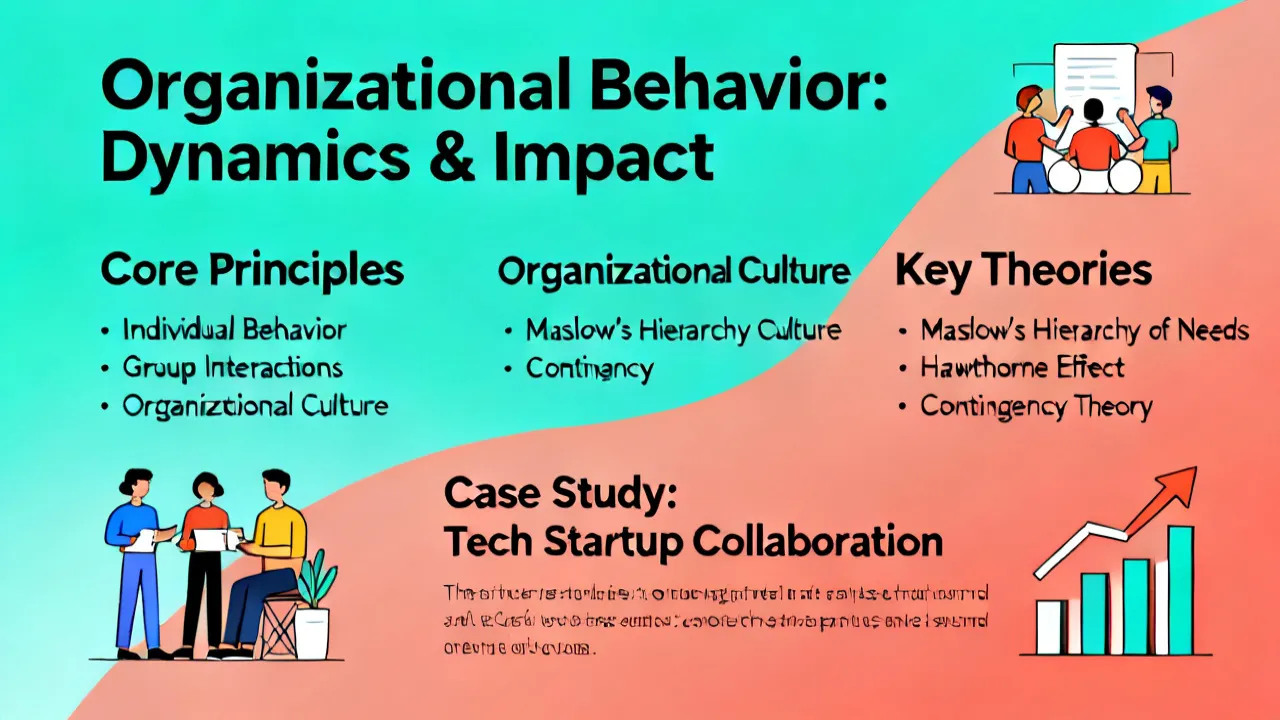
Understanding Organisational Behaviour Slideshare
This article delves into the significance of Organisational Behaviour Slideshare for both educators and professionals. Organisational Behavior is a field that examines the impact individuals, groups, and structures have on behavior within organizations, aiming to improve an organization's effectiveness. With Slideshare's platform, these insights are easily shared, promoting a collaborative learning environment.

Understanding Ltda Epp for Supplier and Compliance Decisions
Learn how “Ltda Epp” impacts supplier selection, contract structure, and compliance planning. This guide explains, in objective terms, what the label typically signals in company registration and how it can affect procurement processes, risk checks, and document readiness. It also frames practical conditions, comparison points, and decision steps to help you evaluate suppliers with clarity and consistency.
