This article delves into the significant contributions of Heuvel & Bondarouk as presented in their 2016 work. The duo focuses on enhancing human resource technologies and their strategic integration within organizations. Their research provides a critical view of HRM and IT synergy, highlighting methodologies and challenges in effectively managing the human resource function through technological advancement.
Heuvel & Bondarouk's 2016 work is a crucial reference in the field of Human Resource Management (HRM) and Information Technology (IT). Their research centers on the complexities and opportunities in deploying technologies within HR functions, providing a roadmap for organizations aiming to enhance operational efficiency and strategic decision-making. The relevance of this study lies not only in its historical context but also in how it addresses contemporary challenges within HRM as organizations grapple with rapid technological changes and evolving workforce needs.
At the core of Heuvel & Bondarouk's research is the integration of HR and IT strategies. They emphasize the significance of aligning these domains to foster an environment where technology enhances HR capabilities rather than restricts them. A strategic alignment between HR and IT is essential, as it creates a synergy where both fields can support each other to fulfill organizational objectives more effectively. This dual focus allows HR to leverage IT tools to streamline processes, improve data analysis, and enhance overall decision-making.
The research illustrates various case studies that highlight successful integration efforts across different industries, examining how organizations adopt technology to automate repetitive tasks, such as recruitment and onboarding processes. By analyzing these examples, Heuvel & Bondarouk reveal methods through which organizations can achieve a seamless blend of HR functions with IT infrastructure. This integration not only enhances efficiency but also plays a vital role in improving employee experiences and satisfaction.
Heuvel & Bondarouk 2016 emphasizes a mix of qualitative and quantitative research methodologies to explore the synergies between HR and IT. Their approach includes extensive surveys, interviews, and data analysis, which provide a comprehensive understanding of current HR practices and the potential for technological optimization. The research is rooted in a solid empirical framework that combines an analysis of existing literature with field studies, enabling the authors to draw relevant comparisons and deduce actionable insights.
Surveys conducted across various organizations allow for the gathering of quantitative data on how HR departments are currently utilizing technology and how effective these initiatives are. Interviews with HR experts and IT leaders provide qualitative insights that add depth to the statistical findings. This triangulation of methodologies ensures that the conclusions drawn are not only substantiated by data but are also informed by the practical realities faced by HR professionals on the ground.
| Aspect | Key Insights |
|---|---|
| HR Functionality | Explored how HR processes can be technologically enabled to improve efficiency and employee satisfaction. |
| IT Infrastructure | Assessed the role of IT infrastructure in supporting and enhancing HR activities. |
| Organizational Case Studies | Provided real-world examples of organizations that have successfully integrated HR and IT. |
| Employee Engagement | Analyzed how technology can facilitate better engagement and communication between employees and HR departments. |
| Data Analytics | Investigated how data analytics capabilities can be harnessed within HR functions to improve decision-making processes. |
While the integration of HR and IT offers numerous benefits, Heuvel & Bondarouk also highlight the obstacles in this transformation. Among the primary challenges identified are: resistance to change within organizations, data security concerns related to the handling of sensitive employee information, and the need for continuous training to keep staff abreast of new technological tools. Resistance to change often manifests as skepticism towards new technologies and hesitancy to abandon established practices, which can stall the integration process. This cultural barrier necessitates a focused effort from leadership to cultivate an openness to innovation.
Data security is another critical issue that organizations must address, particularly in light of increasingly sophisticated cyber threats. Human resource departments handle a vast amount of personal data, and ensuring this information remains protected from breaches is paramount. Heuvel & Bondarouk recommend the implementation of robust IT security measures alongside rigorous training on data handling practices as essential components of a successful integration strategy.
The need for ongoing employee training cannot be overstated. As new tools are introduced, employees must be equipped with the skills necessary to utilize them effectively. Organizations should prioritize continuous learning as a core aspect of their integration strategy, fostering a culture where employees view technology as an ally in their work rather than an obstacle.
Moreover, Heuvel & Bondarouk emphasize that implementing a flexible IT framework capable of adapting to evolving HR needs is crucial. This adaptability allows for the gradual integration of new technologies and the ability to pivot as organizational requirements change. Emphasizing testing and validating new tools through pilot programs can help management assess effectiveness before full-scale implementation.
Looking ahead, Heuvel & Bondarouk predict an increasing reliance on sophisticated technologies within HR. The duo speculates that advancements in artificial intelligence (AI) and machine learning (ML) will be potential game-changers in how organizations manage their workforce. These technologies can automate mundane tasks, provide predictive analytics for workforce planning, and facilitate personalized employee experiences. AI-driven systems may streamline recruitment processes, ensuring that hiring decisions are data-informed and aligned with organizational culture and objectives.
Moreover, the application of machine learning algorithms can enhance performance management by analyzing employee data to identify high potentials and areas for development. The predictive capabilities of these technologies can lead to more effective retention strategies and workforce interventions that are timely and relevant. Heuvel & Bondarouk suggest that organizations increasingly adopt a data-driven approach to HR, guided by insights derived from sophisticated technology and analytics.
Their work serves as a foundation for further research and offers practical insights into future trends within the HR landscape. As such, organizations must remain vigilant about emerging technologies and continuously assess their potential applications to stay competitive. The implications extend beyond mere operational improvements; they touch upon broader themes of employee engagement, talent retention, and the creation of agile organizational cultures that can thrive in an increasingly digital world.
What is the main focus of Heuvel & Bondarouk 2016?
Their primary focus is on the integration of HR and IT to improve organizational effectiveness and efficiency, emphasizing the synergies that can be achieved through strategic alignment between these two domains.
What methodologies did they use?
They utilized a combination of qualitative and quantitative research methodologies, including case studies, extensive surveys, and interviews. This methodological blend allows for comprehensive insights into current HR practices and the influence of technology.
What challenges do organizations face in HR and IT integration?
Challenges include resistance to change, which often stems from a fear of the unknown and organizational inertia; data security issues, necessitating robust protective measures; and the continuous need for employee training to ensure effective utilization of new technologies.
What future trends are anticipated in this field?
Future trends include an increasing adoption of AI and machine learning technologies aimed at enhancing HR capabilities, supporting data-driven decision-making, and leading to more personalized employee experiences within organizations.
A vital component of Heuvel & Bondarouk's analysis is the examination of various organizations that have successfully integrated HR and IT. These case studies provide practical illustrations of how different companies have navigated challenges and capitalized on the benefits of this integration.
For instance, one company discussed in their research implemented a new HR information system that streamlined its recruitment process. The use of an applicant tracking system allowed the HR department to manage candidate applications more efficiently, significantly reducing time-to-hire metrics. This not only improved the overall candidate experience but also enabled HR professionals to focus on strategic activities such as employer branding and engaging with prospects.
In another example, a large multinational corporation employed data analytics to assess employee engagement. By utilizing an integrated platform that combined employee surveys and performance data, HR could proactively identify areas for improvement. Insights gained from the analysis facilitated targeted interventions, leading to increased employee morale and retention rates.
These case studies highlight that successful integration does not solely rely on technology adoption but involves cultural shifts, strategic planning, and ongoing evaluation. Organizations must ensure that HR leaders are equipped with the resources and authority needed to drive technology initiatives forward while engaging employees in the process.
Leadership plays a crucial role in the successful integration of HR and IT. Heuvel & Bondarouk underline the importance of having visionary leaders who advocate for change and support their teams in embracing new technologies. A leader’s commitment to digital transformation can create a ripple effect throughout the organization, encouraging employees to adopt a similar mindset.
Leaders must articulate a clear vision for how technology can support HR functions and contribute to broader organizational goals. This involves fostering a culture that emphasizes agility, innovation, and a willingness to experiment with new tools. Further, leadership should engage employees by including them in discussions about new technologies, understanding their concerns, and actively soliciting feedback as tools are rolled out.
Moreover, the establishment of cross-functional teams, which comprise members from both HR and IT, can enhance collaboration and knowledge sharing across departments. These teams can address integration challenges jointly and ensure that technology decisions align with user needs and organizational strategy. Leadership commitment coupled with collaborative efforts between departments can significantly enhance the likelihood of successful HR and IT integration.
Based on their findings, Heuvel & Bondarouk provide several strategic recommendations for organizations aiming to effectively integrate HR and IT. These include:
Heuvel & Bondarouk’s 2016 work provides a comprehensive examination of the intersection of HRM and IT, highlighting the importance of strategic integration between these two domains. Their research reveals not only the challenges organizations face in this process but also the immense potential that technology holds in enhancing HR capabilities and overall organizational performance. As HR continues to evolve in response to technological advancements, it becomes increasingly imperative for organizations to embrace innovative solutions that serve their strategic objectives.
Looking forward, the landscape of HR will undoubtedly be shaped by ongoing developments in technology, requiring HR professionals to remain agile and open to change. By embracing the recommendations offered by Heuvel & Bondarouk, organizations can position themselves to effectively navigate the complexities of HR and IT integration, ultimately leading to improved employee experiences and organizational efficiency.
Striking the Perfect Balance: Navigating Premiums and Out-of-Pocket Expenses in Senior Insurance Plans

Explore the Tranquil Bliss of Idyllic Rural Retreats

How to Make Lasting Memories at Disneyland Attractions

Affordable Phones and Plans for Seniors

Affordable Full Mouth Dental Implants Near You

Unlock the Top Kept Secrets to Finding Your Ideal Dentist for Flawless Dental Implant Results!

Discovering Springdale Estates

The Guide to Car Trading

Affordable Cell Phones Without Plans

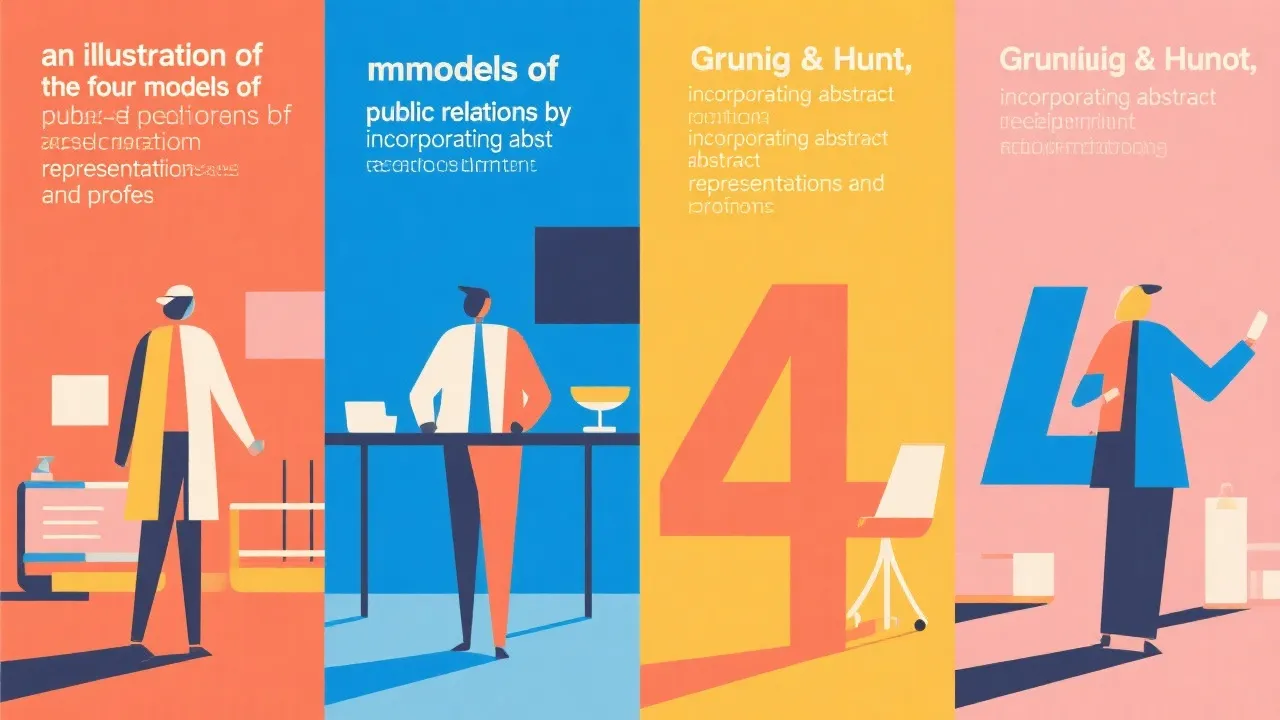
Unveiling Grunig & Hunt's PR Models
This article explores the seminal work of Grunig & Hunt in developing models of public relations. The Grunig & Hunt models, fundamental to understanding PR theory, provide insight into the strategic approaches and methodologies utilized in the field. Each model offers a distinctive perspective on communication and engagement strategies, relevant to both academic discussions and practical applications.

Understanding Attimo Family Office
Attimo Family Office represents a new trend in wealth management services, designed to serve high-net-worth families with personalized attention and expertise. These offices provide tailored financial, investment, and lifestyle management to ensure good wealth preservation and growth. Emphasizing trust, discretion, and bespoke solutions, they cater to the distinct needs of affluent families.
Navigating Attimo Family Office Services
Attimo Family Office is a specialized financial service provider dedicated to managing the complex financial needs of affluent families. By offering personalized advice tailored to each family's unique circumstances, they help in safeguarding wealth across generations. The concept of a family office has been increasingly embraced by high-net-worth individuals seeking tailored investment strategies, tax planning, and legacy management.
Understanding Grunig & Hunt's PR Models
This article delves into the renowned Grunig & Hunt models of public relations, highlighting their significant contribution to the field of strategic communication. Developed by James E. Grunig and Todd Hunt, these models have guided PR practitioners in understanding and executing effective public relations strategies. This guide aims to elaborate on each model, explore their application in real-world scenarios, and underscore their relevance in contemporary PR practices.
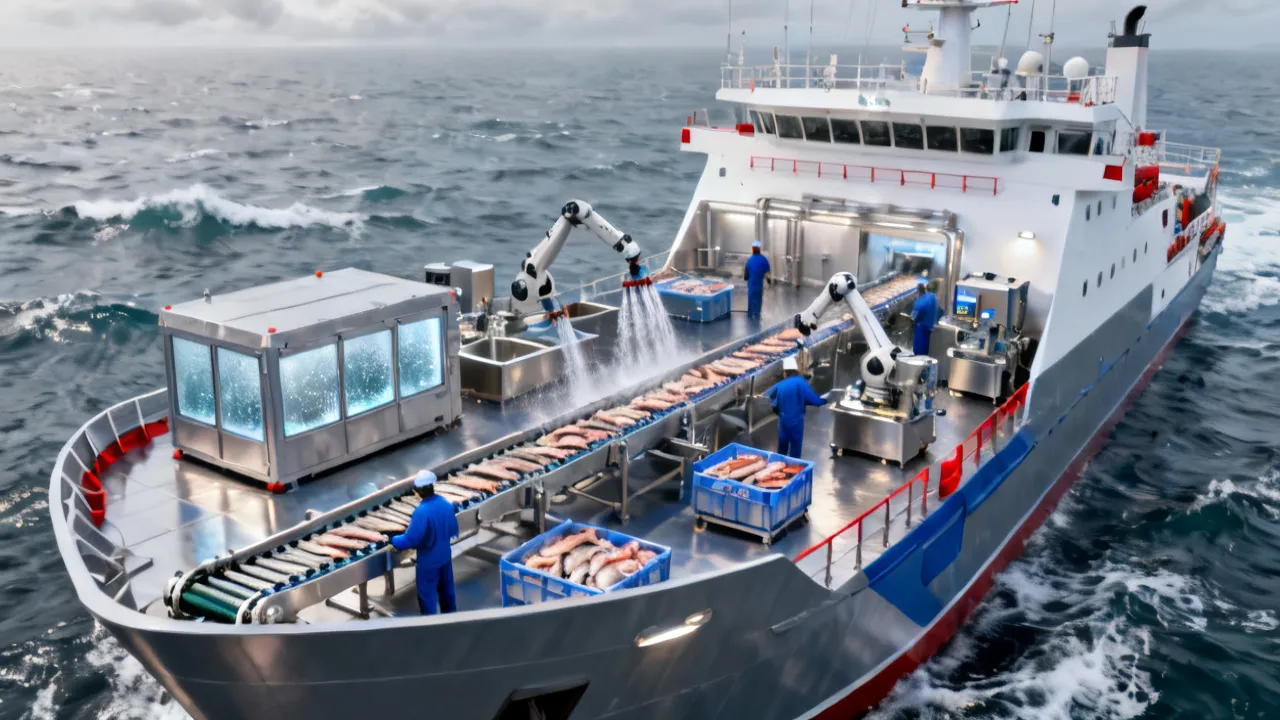
Unveiling the Optimar Rae
An in-depth exploration of the Optimar Rae, a frontrunner in seafood processing. Known for its advanced technology and efficiency, the Optimar Rae plays a pivotal role in modernizing seafood operations. This article delves into its significance, examining how it enhances productivity while maintaining environmental standards, marking a new era in maritime industry advancements.

Mastering Employee Retention Strategies
This article delves into the essential role of an Employee Retention Consultant. Employee retention is crucial for maintaining a competitive edge and fostering a positive work environment. Professional consultants help organizations in developing tailored retention strategies to reduce turnover, increase job satisfaction, and enhance overall productivity. Explore expert insights, strategies, and FAQs in employee retention.
