This guide explains how to select dependable suppliers and evaluate pricing for procurement decisions, focusing on quality, traceability, and good risk. Background context clarifies what “supplier,” “price,” and “quality assurance” mean in procurement workflows, why comparable quotes matter, and how buyers can reduce uncertainty without relying on marketing claims.

When evaluating suppliers and pricing for procurement, the very important principle is straightforward: reliability and quality assurance reduce total cost of ownership more effectively than chasing the lowest unit price. In practice, terms you may encounter in sourcing discussions—such as supplier performance, lead-time reliability, documented quality controls, and price transparency—should be treated as measurable decision variables rather than marketing phrases. A buyer who prioritizes traceability, consistent inspection outcomes, and clear commercial terms typically avoids rework, delays, and dispute-driven costs later in the delivery cycle.
Even if you have a target budget (for example, a price ceiling or a “top available” market rate), you should evaluate whether the supplier’s process can sustain that pricing level while meeting required specs. A quote that looks favorable on paper can become expensive when it hides assumptions like packaging changes, conditional tolerances, or unstable delivery schedules. Therefore, your procurement process should connect pricing to operational reliability and documented controls.
Risk control is not about being pessimistic; it is about being specific. The real question procurement teams should ask is not “Which vendor is cheapest?” but “Which vendor can consistently deliver an acceptable product, with predictable timing and documentation, under the real conditions of our operations?” The procurement function sits at the intersection of engineering, quality, logistics, finance, and compliance, and each of these areas is impacted when supplier reliability fails. If a supplier is unreliable, costs show up in unexpected places: internal overtime to re-inspect or expedite shipments, inventory carrying costs, production line stoppages, customer penalties, and administrative time spent handling nonconformities.
To make risk control practical, buyers should explicitly translate reliability concepts into measurable outcomes. For example, “reliability” can be translated into on-time delivery percentages, documented lead-time variability, defect rates at incoming inspection, and the speed of corrective actions. “Quality assurance” can be translated into traceability completeness, stability of inspection results over time, and the frequency and severity of recurring nonconformities. “Price” can be translated into not only the unit cost, but also price change conditions, surcharge triggers, warranty scope, and the cost of compliance documentation. When these factors are measured, the sourcing decision becomes defensible and repeatable rather than subjective.
Additionally, it’s important to recognize that low price often correlates with trade-offs. Suppliers that win purely on price may use cheaper materials, reduce inspection depth, rely on optimistic lead times, or omit elements of documentation. Those trade-offs might be acceptable in some contexts, but in many procurement environments—especially where safety, regulatory compliance, or customer-specific acceptance criteria matter—trade-offs become liabilities. Procurement leaders therefore benefit from adopting a “risk-adjusted cost” mindset: a unit price should be evaluated in the context of the probability and cost impact of failure.
Procurement decisions are often discussed using broad labels, but operationally they map to distinct functions. A supplier is not only a seller; it is a production system that includes sourcing of materials, manufacturing or assembly methods, internal inspections, packaging controls, and logistics handoffs. Pricing, meanwhile, is not merely a number—it's a set of conditions including volume breaks, payment terms, warranty or service scope, lead times, transport responsibilities, and acceptance criteria.
In many industries, procurement teams seek alignment between commercial terms and quality requirements. That alignment matters because “quality” is not guaranteed by intent; it is guaranteed by the supplier’s process, documentation, and ability to reproduce results under real operating conditions.
A common source of confusion is that procurement teams sometimes treat “supplier” as an external relationship, while in practice it behaves like a process dependency. When you order a component, you are not just buying a component—you are effectively outsourcing steps like incoming material verification, manufacturing controls, packaging, and shipment scheduling. Each step can fail independently. For example:
Likewise, pricing is often framed as unit cost, but procurement organizations should think of pricing as a contract structure. Pricing structure defines how cost changes when conditions change. For example, if a supplier includes a low base price but reserves rights to apply “market adjustments” to key materials, your effective cost can rise unexpectedly. If a supplier provides a discount only for a certain forecast commitment but you cannot commit, the contract can quickly become less favorable. If the supplier offers a cheap price but requires you to manage the return shipping and inspection time, your organization absorbs costs that are not visible in the quote.
To improve decision quality, buyers should ensure that their internal request documents clearly define:
When procurement teams treat “supplier” and “pricing” as process and contract constructs—not as abstract labels—they can compare offers more accurately and reduce downstream disputes.
A recurring sourcing error is comparing prices without controlling for scope. For objective comparison, standardize the basis of comparison:
From an industry perspective, this is where buyers gain control. Instead of treating price as the primary variable, treat it as one output of a structured commercial-and-quality comparison.
“Apples-to-apples” comparison is not a one-time effort; it’s an approach. Procurement teams should implement templates, define line-item scope rules, and require a quote breakdown that exposes assumptions. If a supplier provides a quote with minimal detail, buyers should request clarification because unclear scope is a risk. Unclear scope can also lead to inconsistent execution. For example, a supplier might include “standard packaging” but your production line requires customized protective packaging. The buyer might only discover the mismatch at receiving, at which point the supplier’s cost structure and your inspection cost have already increased.
To further support objective comparison, buyers can use a structured “quote equivalence checklist.” This checklist can be completed for each supplier before pricing is compared, and it can include items such as:
Once equivalence is confirmed, price becomes a more meaningful variable. But even then, procurement should consider risk-adjusted price by factoring in reliability and compliance costs that are otherwise invisible.
When procurement teams talk about quality, they often refer to a desired outcome—defect-affordable deliveries. However, for sound decision-making, you should look for evidence that the supplier can produce that outcome consistently. Typical evidence includes:
Importantly, you should avoid relying on unverifiable marketing claims. Ask for documents, clarify their applicability, and verify how the supplier handles deviations. This reduces the chance of “cheap now, costly later” outcomes.
Auditable quality assurance means the supplier’s quality system is not only in place, but it can also be traced to your requirements. For example, a supplier may have an ISO certificate, but it might not cover the specific product line or process that you are buying. Or the supplier’s control plan might exist in an outdated format and not reflect current production conditions. Or the supplier’s corrective action approach may be limited to superficial fixes rather than root-cause analysis and verification.
Procurement and quality teams should therefore align on what evidence is “sufficient.” Evidence can be categorized into three tiers:
Outcome evidence is particularly valuable because it reflects the supplier’s performance in real conditions. However, outcome evidence must still be interpreted carefully. A supplier with low defect rates in a period of favorable demand may perform worse under peak load or during material substitutions. Therefore, procurement should ask for performance trends and any known changes in processes, suppliers, or materials.
Another important element of auditable quality is traceability. Traceability is not merely the ability to identify the lot number; it is the ability to link material batch information, inspection results, and shipped product to each other in a controlled manner. When traceability is missing or incomplete, recall risk rises and compliance obligations become more complex. For industries where regulations require demonstrable lot-level traceability (or where customers demand it), procurement should treat traceability evidence as an essential part of the quote review, not an optional add-on.
Finally, quality assurance should be connected to dispute resolution. Procurement should specify inspection responsibilities, acceptance criteria, and who bears costs for rework or returns. Auditable quality becomes much more valuable when it is integrated into a contractual framework that defines remedies.
In a mature sourcing process, supplier evaluation usually blends commercial fit with operational capability. The criteria below are common in many procurement organizations because they reduce downstream volatility:
Procurement professionals often use a weighted scoring model. The critical point is to make scoring criteria objective—measured by documented evidence, not by reputation alone.
While these criteria are widely used, many procurement teams still struggle to operationalize them. Scoring becomes subjective when procurement relies on verbal assurances. To improve objectivity, suppliers should be assessed with evidence aligned to each criterion. Consider practical examples:
Beyond the listed criteria, procurement leaders also consider strategic fit. Strategic fit does not mean favoritism; it means understanding whether the supplier is likely to remain viable and improve. For example, a supplier that invests in process capability, training, and technology may reduce defects over time. Conversely, a supplier that is under financial strain might cut costs in ways that increase quality and delivery risk. Buyers can incorporate supplier viability indicators—such as financial stability signals, continuity of key manufacturing lines, and historical behavior during disruptions—into scoring where appropriate.
Procurement should also recognize that supplier selection criteria should match risk category. For low-risk, commodity-like purchases, the required depth of evaluation might be lower. For high-risk categories—safety-critical components, regulated items, or long lead time categories—evaluation depth should increase. A one-size-fits-all evaluation model can cause either excessive friction (for simple items) or insufficient control (for critical items). Mature procurement teams therefore maintain tiered supplier onboarding and periodic review processes based on risk level.
Even when unit pricing seems competitive, hidden costs can arise through:
Therefore, you should consider total landed cost and total delivered value, not merely the price per unit. For reliability-focused sourcing, buyers often find that “fair” pricing with strong quality controls can outperform “low” pricing after accounting for risk.
Hidden costs are often triggered by operational reality. For example, if a supplier delivers late but still bills on schedule, the buyer absorbs the cost of restarting production, rescheduling labor, and managing inventory imbalances. If a supplier delivers nonconforming parts, the buyer may incur not only rework costs, but also costs related to downstream screening or the risk of shipping nonconforming products to customers.
To avoid hidden costs, procurement teams should build a cost model that includes at least the following components:
Not every category will be relevant for every purchase. But even a simplified total cost of ownership model improves sourcing quality. The goal is not perfection; the goal is to reveal cost drivers that unit price hides.
Pricing strategy should also account for change conditions. For instance, a supplier may quote a low price but require aggressive lead-time commitments, meaning the buyer must manage forecasts tightly. Alternatively, the supplier might offer flexible delivery but charge for expedited adjustments. Procurement should evaluate which model better aligns with operational flexibility and risk tolerance.
Another hidden cost arises from commercial ambiguity. If the quote does not clearly specify what is included—such as documentation, packaging grade, or warranty terms—then the buyer may have to renegotiate later. Renegotiation consumes time and may still produce unfavorable terms under urgency. Therefore, procurement should enforce quote clarity and scope completeness as a standard part of supplier evaluation.
Instead of making the decision ad hoc, use a structured workflow. Start by defining requirements and acceptance criteria, then collect quotes consistently, and finally validate suppliers through evidence-based checks. This protects you from inconsistent quoting practices and reduces the chance of selecting a supplier that is unable to meet real operational constraints.
Below, you’ll find a supplementary comparison framework and step-by-step approach designed to support objective decisions.
| Decision Area | What to Compare | Evidence to Request | Typical Buyer Conditions/Requirements |
|---|---|---|---|
| Commercial terms | Unit price, volume tiers, payment terms, delivery responsibilities | Full quote breakdown and incoterm-aligned terms | Quotes must specify scope and assumptions; delivery responsibility must be explicit |
| Quality assurance | Inspection method, acceptance criteria, traceability approach | Control plan summary and inspection/SOP references | Defined pass/fail criteria; documented corrective action process |
| Lead time reliability | On-time delivery history and production scheduling practices | Delivery performance metrics or references | Lead times must be realistic and tied to capacity confirmation |
| Compliance and documentation | Certifications and documentation accuracy | Certificate copies; scope and validity checks | Documentation must match the delivered product and be current |
| Change management | How revisions are handled (materials, specs, drawings) | Change control workflow description | Advance notification and approval process for spec changes |
A structured decision workflow also helps ensure internal alignment. Procurement decisions are frequently challenged internally—by engineering, operations, quality, or finance—if stakeholders do not understand how the supplier was chosen. When the decision is supported by documented evidence, cross-functional alignment becomes easier, and onboarding risks decrease.
To strengthen the workflow, procurement teams can add an explicit “pre-decision sanity check.” This check ensures that the quotes are comparable and that risks are understood. For example, if one supplier offers significantly shorter lead times without any explanation, the sanity check should require an explanation of capacity, scheduling, or buffer inventory. If one supplier’s quality evidence is missing or vague, the workflow should flag this as a risk that affects scoring and potentially disqualifies the supplier for critical categories.
Procurement teams can also design the workflow with clear gate criteria. Common gates include:
When gates are applied consistently, the sourcing process becomes repeatable and less vulnerable to “who spoke the loudest” dynamics.
To make this step-by-step guide fully actionable, consider what “precisely defined requirements” look like in practice. Precision means more than copying drawings. It means specifying measurement points, tolerances by feature, and acceptance criteria by lot or by unit. It also means defining the required documentation set: certificates of compliance, material declarations, test reports, and any required traceability identifiers. When requirements are vague, suppliers will interpret them differently, and procurement will pay later in rework and disputes.
Standardizing the RFQ structure is equally important. Procurement templates should require suppliers to respond with consistent fields: unit price, currency, delivery schedule (including lead times), packaging details, payment terms, warranty scope, and documentation inclusions. If one supplier adds “allowances” or excludes certain line items, procurement should require explicit clarification.
When procurement requests documentation up front, buyers should also specify how documentation will be verified. For example, buyers might require certificates to be issued per lot, with traceability identifiers matching packing lists. Buyers might also require that the supplier list the inspection methods or standards used for acceptance. If the buyer requires third-party verification, procurement should state that requirement before contract award to prevent surprise costs.
Validation should be tailored to risk. Not all suppliers require the same level of upfront verification. However, procurement should still consider a structured validation approach based on risk category:
Finally, monitoring and improvement should be designed in a way that improves future orders rather than simply measuring after-the-fact. Procurement teams can set measurable KPIs such as:
These KPIs should be reviewed periodically in business review meetings. Importantly, the reviews should result in actions: root-cause investigations, process improvements, packaging changes, updated inspection requirements, or adjustments in forecast communication. If monitoring produces no improvement, it becomes administrative rather than value-creating.
Across many sectors—manufacturing, logistics, healthcare procurement, and professional services—buyers face increasing complexity: diverse compliance demands, more intricate supply chains, and customer expectations for traceability. Industry research and procurement top practices frequently emphasize the link between supplier risk management and business continuity. For example, Gartner and similar research bodies discuss supply risk, supplier performance, and governance as key themes in procurement modernization. Additionally, organizations such as ISO promote management-system approaches that support consistent quality outcomes through documented processes.
Because buyers often work under changing conditions, a disciplined approach to supplier selection and pricing evaluation becomes a governance tool—not just a purchasing exercise. It helps procurement leaders defend sourcing decisions to internal stakeholders and supports transparent supplier governance.
In recent years, objective sourcing has become more critical because supply chains have become more dynamic. Material price volatility and lead-time variability can shift supplier costs quickly, and suppliers may respond by changing materials or adjusting production schedules. Without structured controls, procurement can end up paying for “same” product that is not actually the same, or receiving deliveries that meet technical specs but fail on documentation requirements. Both scenarios create operational and reputational risk.
Consider how objective sourcing supports business continuity. If procurement has a structured supplier validation process, it is better prepared to handle disruptions. For example, if a supplier experiences component shortages, the supplier might propose an alternate. If procurement’s contract includes change control and acceptance criteria for alternates, the buyer can evaluate whether the alternate is acceptable before full volume is impacted. If contracts lack clear change control terms, alternate approvals become last-minute negotiations, increasing downtime and dispute risk.
Objective sourcing also improves resilience in industries with regulatory pressure. Regulatory environments often require evidence that the supplier’s quality and documentation controls are effective. When procurement requests auditable evidence up front, audits become easier because records exist and decisions are traceable. If procurement selects suppliers based on vague claims, audit readiness becomes difficult because the organization has little evidence to justify the sourcing decision.
Moreover, objective sourcing aligns procurement with modern governance frameworks. Procurement governance requires not only compliance with internal policies, but also the ability to demonstrate that purchases were conducted fairly and responsibly. Structured workflows provide evidence that supplier selection considered quality, reliability, and risk. They also provide documentation for internal audits and external reviews.
In addition, objective sourcing can improve supplier relationships over time. When suppliers understand that procurement decisions are based on clear evidence and transparent criteria, they are more likely to invest in improvements. A supplier that knows quality documentation and lead-time reliability are measured and tied to outcomes will often respond with process improvements. This can create a virtuous cycle where supplier performance rises and procurement risk decreases.
Use a standardized RFQ template with identical line-item scope, clearly defined specifications, and consistent quantities. Require a quote breakdown showing what is included (packaging, testing, documentation, delivery responsibility). Then compare price only after confirming equivalence of technical scope and acceptance criteria.
Investigate the difference through assumptions. Ask what drives cost variation: material inputs, tolerance levels, inspection intensity, packaging design, lead time, and warranty or service coverage. If the cheaper quote cannot provide equivalent quality evidence or acceptance alignment, the apparent saving may be illusory once total cost is considered.
Certifications can indicate that a supplier has structured management systems, but they are not the same as verified performance for your product. Procurement teams should still request process and inspection evidence aligned with your specific requirements, then confirm outcomes through validation such as sample inspection or pilot deliveries for critical items.
Evaluate lead-time realism, confirm capacity alignment, and define delivery terms clearly. Establish communication expectations and define remedies or escalation steps for schedule risks. Where appropriate, use safety stock strategies or staged deliveries to protect operational continuity.
It is the broader cost impact beyond unit price, including logistics, inspection, rework, downtime, return handling, warranty/service costs, and compliance administration. Buyers typically assess it by considering both commercial terms and quality/delivery performance risks.
Common requests include quality/control plan summaries, inspection or test method references, traceability approach documentation, compliance certificate copies (when relevant), and change control workflow descriptions. The exact set depends on your industry and regulatory requirements.
Set measurable KPIs such as on-time delivery, defect rates, corrective action cycle time, and documentation accuracy. Run periodic business reviews with documented actions and follow-ups. Monitoring should feed back into procurement decisions for future orders and renegotiations.
From a risk control standpoint, inability to provide inspection documentation should be treated as a meaningful deficiency. Procurement can require clarification and evidence of their inspection processes, including sampling plans, acceptance criteria, and records retention. If the supplier still cannot provide adequate documentation, procurement should reduce the supplier’s score, require additional incoming inspection, or exclude them for critical categories. In many cases, the true cost of missing documentation appears later through increased inspection burden, higher nonconformance rates, and longer dispute resolution cycles.
Price changes should be governed by contract clauses that define allowed adjustment mechanisms and required notice periods. Procurement should require transparency for any surcharge triggers tied to material indexes, transport costs, or labor rates. The buyer should also verify that any price change is not associated with unapproved changes in product specifications, materials, or inspection intensity. A robust change control process can prevent “price down / quality down” behavior disguised as commercial adjustment.
Using a single supplier can improve pricing and simplify logistics, but it can also increase dependency risk. Procurement leaders often apply a dual-source or multi-source strategy for critical categories, or they reserve backup capacity. The decision should be based on risk category, lead-time stability, supply chain resilience, and supplier performance history. In many settings, the incremental pricing benefit of single-source procurement is outweighed by the risk and cost of disruptions when a supplier fails to deliver.
Evaluate responsiveness using both process evidence and performance evidence. Request their change control workflow documentation, including timelines, approval responsibilities, and communication expectations. Then, review how they handled past changes—such as drawing revisions or material substitutions—by asking for examples of change notifications, the number of iterations required, and whether documentation updates were performed on time. Responsiveness is not just about speed; it is also about avoiding errors, maintaining traceability, and ensuring that changes do not compromise acceptance criteria.
Validation can be achieved through controlled pilot orders, sample testing, or staged deliveries. Procurement can define a validation plan that includes acceptance criteria, documentation checks, and escalation procedures for failures. For high-risk items, validation can include a more formal process that verifies capability under production-like conditions. The key is to ensure that validation is connected to contract terms so that nonconformities lead to corrective action requirements and cost recovery where applicable.
Choosing a supplier based on a single number is rarely sustainable. When you evaluate supplier capability, auditable quality assurance, and well-defined commercial scope alongside price, you build a sourcing system that reduces operational risk. Over time, this approach improves consistency in delivery, decreases friction during inspections and disputes, and supports more predictable costs—outcomes that procurement leaders value well beyond the initial quotation stage.
If you share your industry, product category, and whether you’re comparing suppliers for ongoing supply or a one-time procurement, the evaluation framework can be tailored to your acceptance criteria and risk profile.
To make the conclusion actionable, consider implementing three internal habits. First, require evidence for key decisions. If an element of quality or delivery reliability cannot be evidenced, it should either be scored lower or treated as a risk requiring mitigation. Second, enforce RFQ equivalence. Standardize line-item scope and quote templates so price comparisons are meaningful. Third, connect supplier monitoring to commercial outcomes. If KPIs worsen, procurement should respond with corrective action requirements, increased inspection, schedule adjustments, or—when necessary—supplier changes. When monitoring leads to changes in sourcing strategy, suppliers understand that performance matters and improvement becomes incentive-driven.
When supplier selection functions as governance, procurement becomes more than a cost center—it becomes a risk management and value protection capability. The procurement organization can then confidently answer internal questions such as: Why did we choose this supplier? Why did we accept their lead times? Why is the quality evidence sufficient? What remedies exist if nonconformance occurs? These answers are not only important for audits; they are crucial for operational continuity and for maintaining trust across the organization.
Striking the Perfect Balance: Navigating Premiums and Out-of-Pocket Expenses in Senior Insurance Plans

Explore the Tranquil Bliss of Idyllic Rural Retreats

How to Make Lasting Memories at Disneyland Attractions

4rkojvsx Technology: Industry Insights and Buying Guide

Affordable Phones and Plans for Seniors

Affordable Full Mouth Dental Implants Near You

Unlock the Top Kept Secrets to Finding Your Ideal Dentist for Flawless Dental Implant Results!

Discovering Springdale Estates

Unveiling RS Sul Telecom Services


Understanding Contact Number Leads and Supplier Verification
This guide explains how to evaluate potential suppliers and confirm lead legitimacy when you encounter a contact number like 04978681642. It provides objective background on what such identifiers mean in procurement, how to reduce misrouting risk, and how to document checks. You’ll also find a comparison of sourcing conditions and clear requirements before placing any order.

Understanding htrrhjredf in Modern Supply Markets
This guide explains htrrhjredf by breaking down what “htrrhjredf” signals in sourcing and procurement workflows, how partners interpret it, and what buyers should verify before purchase. Objectively, the keywords shown indicate a catalog-style identifier and classification context often used in inventory systems, where supplier readiness, documentation, and lead-time alignment matter for risk control.
Comprehensive Guide to Item 95999028383x Sourcing
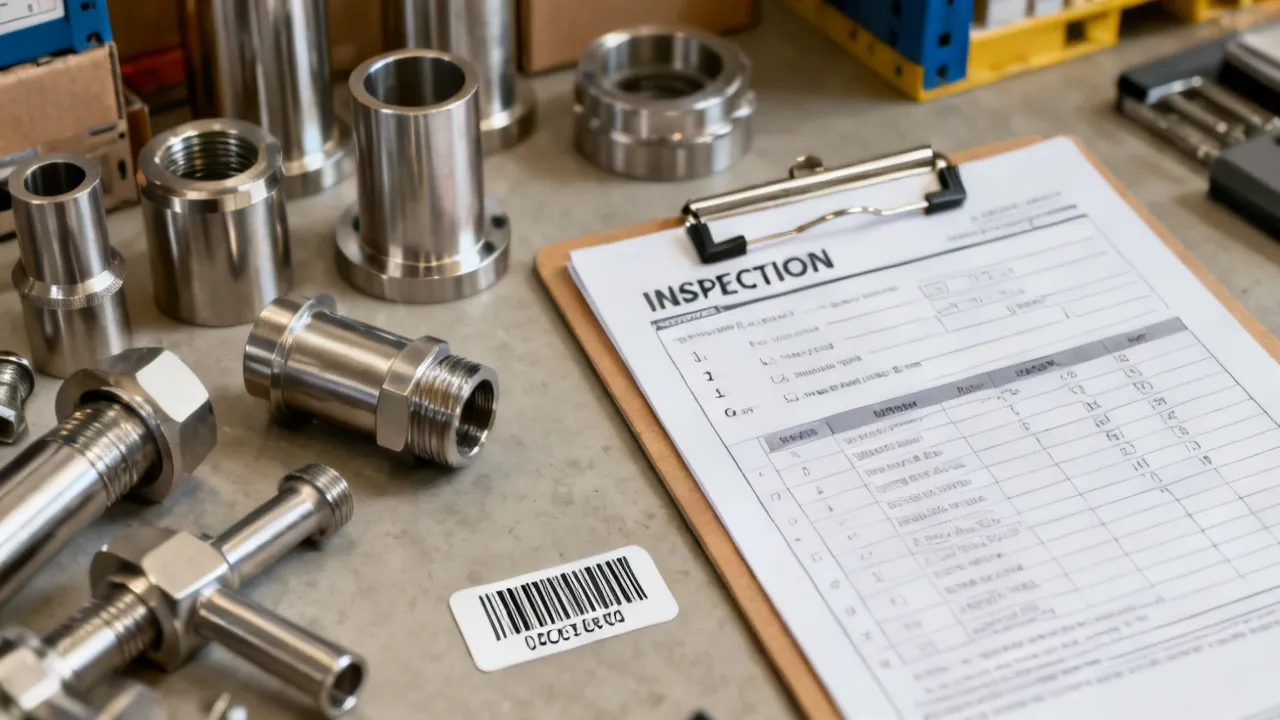
This guide explains how to evaluate and source the item code “95999028383x” using sound procurement practices, supplier due diligence, and clear acceptance criteria. The keywords around “95999028383x” relate to catalog identification and matching requirements. Objectively, accurate part numbering, traceability, and documented inspection methods reduce procurement risk in industrial supply chains.

Supplier Pricing and Parts: Expert Guide
This guide explains how to evaluate supplier pricing and procurement options for 57587795987–related industrial goods, focusing on documentation quality, lead times, and compliance. It reviews the meaning of supplier details and the practical factors behind cost—without assuming any single “top” offer—so you can compare options objectively and reduce procurement risk.

Poriso: A Practical Guide to Selection and Use
This guide explains Poriso from a practical, decision-focused perspective, including how to evaluate quality, sourcing practices, and appropriate use. Objectively, Poriso is discussed as a product category where wording, formulation, and intended application matter. The article also outlines selection conditions, an expert workflow, and FAQs to help buyers assess fit and expectations.
Practical Guide to Qwertyuiop and Nearby Sourcing
This guide explains how to evaluate “Qwertyuiop” as a keyword concept and how to approach supplier sourcing and pricing decisions with objectivity. Background context covers what “Qwertyuiop” typically represents in search/optimization discussions, why suppliers matter in procurement, and how buyers can assess options using consistent criteria.
