If you need a new phone, this guide explains how to pursue government-supported phone programs, compare major Lifeline-based providers, and understand eligibility and application steps. It offers objective background on why these services exist, what they typically include (voice, text, and data allowances), and how participation in assistance programs affects coverage—so you can make informed choices responsibly.
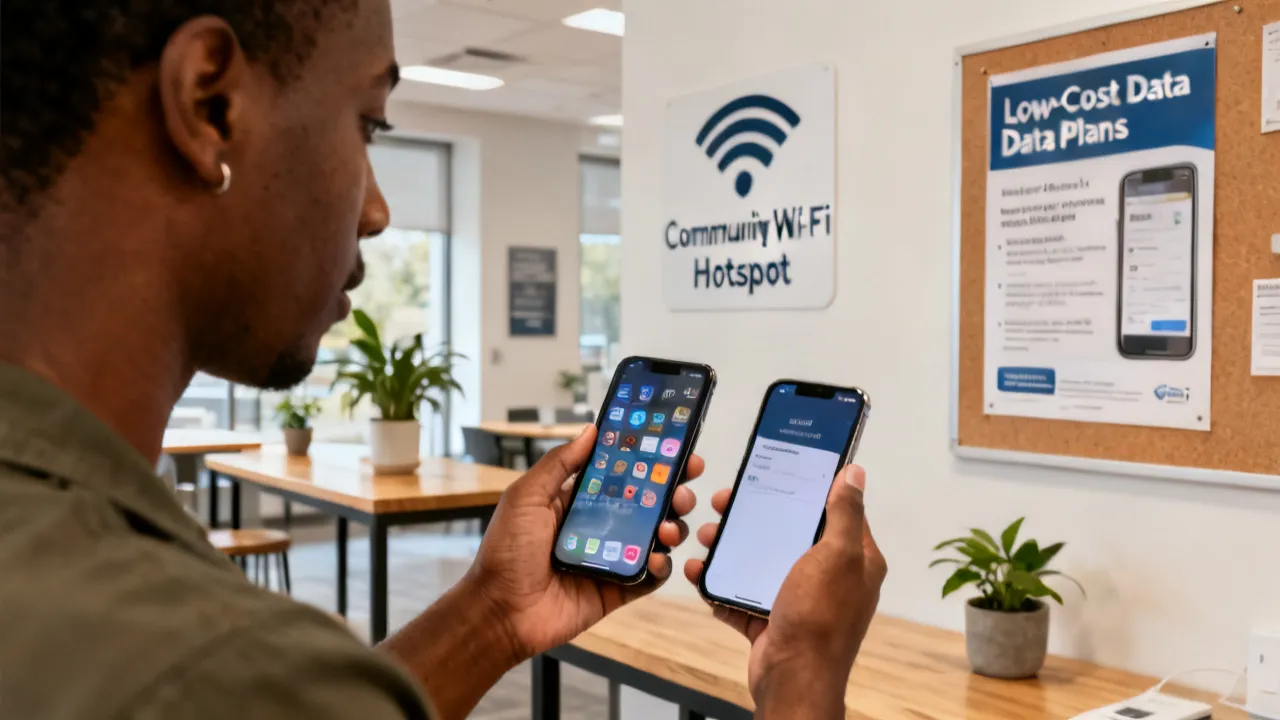
If you’re asking, “I need a New Phone,” the very practical path is to check whether you qualify for a government-supported wireless program (commonly linked to Lifeline and, in many cases, ACP). When eligible, several carriers may offer a handset option along with monthly service allowances, and you can often choose between a provided device and bring-your-own-device (BYOD) depending on the program and your account.
Because policies and device availability can vary by state and provider, think of this as a structured decision process: confirm eligibility, review what plan features are actually included, understand any potential upgrade costs, then submit your application with accurate documentation.
In addition to the basics above, it helps to be ready for real-world friction—such as document verification timelines, device compatibility checks, or situations where the specific phone models offered through the program change over time. If you plan ahead, you can reduce delays and avoid discovering at activation time that a chosen plan or phone doesn’t fit your needs.
Government-supported phone programs are designed to reduce the digital divide—supporting people who may otherwise struggle to afford essential connectivity. In practice, these programs commonly provide:
From an industry perspective, carriers implement these programs under federal and state guidelines and handle verification and enrollment through program-specific processes. That’s why eligibility confirmation and documentation quality often matter as much as your chosen provider.
Beyond the “big three” (voice, text, data), many applicants find that the real value comes from the day-to-day reliability of a low-cost plan that keeps essential services functioning—especially for people who rely on calls for work, appointments, or family care coordination. A working phone can also support access to government portals, school communication, and employment applications—tasks that become difficult when a phone is out of service.
It’s also useful to understand that government-supported plans may not behave like unlimited consumer-grade plans. They may include:
Knowing these “behavior patterns” up front allows you to select a plan that matches how you actually use your phone rather than how you wish it worked.
Below is a concise comparison of major providers and the kinds of services they commonly include under government-supported offerings. Note that “included” and “additional costs” can depend on your specific plan, device selection, and the state you reside in.
| Provider (official program site) | Services commonly included in the handset + plan option | Potential additional package costs (typical examples) |
|---|---|---|
| SafeLink Wireless | Unlimited text and calls; data allowances vary by plan/state; handset may be offered depending on eligibility | Premium device upgrades or additional data may require payment |
| Assurance Wireless | Affordable Android smartphone (when eligible); unlimited talk and text; data allowances based on program terms | Optional upgrades such as additional high-speed data or international calling features |
| StandUp Wireless | Handset or BYOD options; unlimited talk and text; data plan terms vary | Fees may apply for premium phone upgrades or extra data |
| Access Wireless | Unlimited voice and text; limited high-speed data under Lifeline/ACP-aligned benefits | Data boosts and device upgrades may carry costs |
| True Wireless | Government-supported phone option; voice and data plan structure based on eligibility and program terms | Optional upgrades to better devices or additional data plans may cost extra |
Links are provided immediately after the table as the source of the information.
source: www.safelinkwireless.com
source: www.assurancewireless.com
source: standupwireless.com
source: www.accesswireless.com
source: www.gotruewireless.com
When comparing providers, look beyond the headline numbers. Consider questions like:
Because the phone itself can make or break your experience, you should also think about the practical details of using the device: whether it receives essential security updates, how quickly it runs common apps, and whether it supports the features you rely on (such as voicemail, Wi‑Fi calling, or messaging apps).
Very government-supported phone programs rely on two broad paths: qualifying via income thresholds or qualifying through participation in specific assistance programs. Many providers also apply additional considerations such as enhanced benefits for certain geographic circumstances.
In practice, the biggest “gotcha” applicants encounter is not the existence of eligibility, but the quality of the information they submit. Providers often require accurate program identifiers (like case or benefit numbers) or documentation that clearly matches your name and address.
Before you start, gather basic details you’ll likely need regardless of which carrier you choose:
Also decide whether you’re applying for a new line or changing an existing line. Some providers handle “replacement phone” requests differently than “new activation” requests, and the process can affect how quickly you become service-ready.
Because exact numbers and program lists can change, it’s important to verify the current eligibility details on the official provider site rather than relying on outdated forum posts or older screenshots. You can still use this section as a checklist—just confirm everything with the official carrier.
To make the process less stressful, consider organizing your documentation in advance. For example, if you qualify via SNAP, you might locate a recent award letter or benefits statement. If you qualify via Medicaid, you might have an eligibility notification or plan card. If you qualify via income, you might assemble recent pay stubs or documentation of household income.
While each provider has its own portal and documentation format, the workflow usually follows the same logic: create an application, confirm eligibility, and complete enrollment. Here is a generic step-by-step approach that aligns with how these programs typically operate.
To make this checklist even more useful, here are additional operational checks that can save time:
Even when eligibility rules are similar, operational details can vary—especially application routes and documentation handling. For example:
From a consumer-operations standpoint, the “top” provider is often the one whose process is easiest for your situation and whose coverage/allowance matches your everyday needs.
Two people with the same eligibility can still end up with different experiences because of differences in documentation quality, timing, device readiness, and even the specific plan offered at the moment they apply. That’s why it’s worth selecting the provider that aligns with your practical constraints—such as whether you need activation quickly, or whether you’re relying on the plan to support a high-priority service like navigation for a job.
When you need a new phone, it’s tempting to focus only on the handset. However, good value usually depends on both device readiness and ongoing service terms. Use the following inverted decision logic:
Ask how you use your phone:
It can also help to think in terms of “data moments.” Many people consume data in bursts—like downloading documents for school, using ride-share apps, or updating apps while connected to mobile data. If your plan has a monthly high-speed cap, those bursts can matter. Plan to use Wi‑Fi when possible for large downloads, and consider disabling automatic app updates over cellular data on your new phone.
Handsets distributed through programs may be entry-level models. Consider whether the phone can support:
Many applicants underestimate how quickly storage and memory can fill up on older or lower-end devices. Before you choose a handset, consider the following practical device factors:
If you’re bringing your own device, check whether it’s still eligible to receive necessary updates. An older phone might be technically compatible with the network, but if apps won’t run or security patches stop, your experience can degrade quickly.
If you anticipate wanting a different handset model or more data later, estimate the additional costs upfront. The “included plan” can be adequate, but upgrade pricing can vary significantly.
Upgrade costs can show up in several forms:
To avoid surprises, look for the provider’s upgrade pricing page or customer service guidance. If you can’t find transparent pricing, ask the provider (through the official channels) what upgrades are available and what they cost. Having a cost estimate can help you decide whether the included device is “good enough” for the next 12–18 months.
Even the top plan can underperform with poor signal. If possible, check carrier coverage reports or ask neighbors locally about real-world reliability. (This reduces the risk of getting an approved plan you can’t use effectively day-to-day.)
Coverage is not only about availability outdoors. Many people experience differences based on building materials and local geography:
Although you may not be able to test fully before applying, you can still reduce risk by checking community feedback and mapping coverage estimates. If coverage is inconsistent in your area, you might prioritize a device/plan that supports Wi‑Fi calling (if the provider and handset support it) so you can make calls via Wi‑Fi when cellular signal is weak.
No. Eligibility and documentation must be verified. Approval depends on meeting program rules and successful identity and eligibility confirmation according to the provider’s process.
It’s important to plan for the fact that verification can take time, and sometimes providers request additional documents. If you want the smoothest path, submit complete applications with clear uploads, and respond quickly to any “verification required” notices you receive.
Many programs offer a BYOD pathway, but device requirements can apply. You’ll typically need a compatible and supported device and must confirm whether the provider supports activation for your specific model.
Before selecting BYOD, you should confirm at least three things:
If any of these checks fail, BYOD may not work as smoothly as expected—so it can be wise to have a plan B (such as opting for the carrier handset) if you’re unsure.
Very commonly, you’ll see unlimited or near-unlimited voice and text, plus a data allowance structured by plan rules. Exact data amounts and high-speed limits can vary by provider, plan selection, and state.
To understand what you’re truly getting, look for details like:
If you use data heavily, these details are crucial for avoiding frustration when streaming or uploading content.
While the core plan is tied to eligibility benefits, providers may charge for premium device upgrades, extra data, international calling, or add-on features—depending on what you select.
It’s also possible that taxes, shipping, or activation fees could appear depending on the provider’s policies. Some applicants don’t see costs until they choose a specific optional upgrade. That’s why it’s helpful to ask for a full breakdown if the carrier offers multiple handset or plan options.
These programs commonly use online applications. Some providers may also support alternative verification routes. The safest approach is to use the official provider website and follow their documentation instructions carefully.
If online access is difficult, it may still be possible to apply with assistance from a local partner organization (such as community resource centers) or by using a shared computer or device. However, you should always ensure you apply through the official provider portal to avoid scams.
Very applicants provide proof of income or proof of participation in eligible assistance programs (such as Medicaid, SNAP, SSI, or FPHA). The exact document list depends on the provider and your eligibility route.
To reduce delays, use recent documents and ensure they are legible. Blurry screenshots, incomplete forms, or documents that don’t match your submitted identity can lead to follow-up requests.
Eligibility requirements and verification processes can be updated by program administrators and providers. Always verify the current requirements on the official provider site before submitting an application.
Even if you’ve been approved before, you should watch for recertification or verification renewal steps. Some programs require periodic re-checks to confirm continued eligibility, and missing deadlines can cause service interruption.
If you need a new phone and want a structured, realistic path, start with eligibility confirmation and a provider comparison based on included services (voice, text, data allowances) and potential upgrade costs. Then complete the online application with accurate documentation and confirm whether you’re taking a handset option or activating your own device. When done carefully, this approach can help you avoid plan mismatches and reduce activation delays.
Before you submit, do a final “readiness check”:
If you follow those steps, you’ll be much more likely to get an affordable phone plan that matches your actual day-to-day needs.
1) The above information comes from online resources, and the data is as of October 2023.
2) This website cannot guarantee that applicants will definitely get a government affordable phone. For specific application requirements and how to obtain it, please refer to the official requirements of the provider. This website will not be updated in real time.
Striking the Perfect Balance: Navigating Premiums and Out-of-Pocket Expenses in Senior Insurance Plans

Explore the Tranquil Bliss of Idyllic Rural Retreats

How to Make Lasting Memories at Disneyland Attractions

4rkojvsx Technology: Industry Insights and Buying Guide

Affordable Phones and Plans for Seniors

Affordable Full Mouth Dental Implants Near You

Unlock the Top Kept Secrets to Finding Your Ideal Dentist for Flawless Dental Implant Results!

Discovering Springdale Estates

Unveiling RS Sul Telecom Services

Affordable Phones and Plans for Seniors
Discover the top deals on new phones and plans tailored for seniors, including discounts on 5G technology and unsold models.
Affordable Cell Phones Without Plans
Discover affordable cell phones for sale without plans, exclusive discounts for seniors, and tailored mobile plan options in your area.

Navigating Government Phone Programs
This guide provides an expert analysis of government-supported phone programs for eligible individuals, offering insights into available providers and their services. Affordable phones are often a necessity for individuals under economic constraints, aiding in communication, job searches, and access to emergency services. The article delves into eligibility criteria, application processes, and compares popular service providers in various regions.
Unlocking the Top Cell Phone Deals
Discover unbeatable cell phone discounts, plans, and offers for seniors and iPhone enthusiasts without contracts.
Navigating Affordable Phone Offers
Discover the essential details about government-assisted phone programs aimed at providing budget-friendly devices to eligible individuals. These programs offer complementary mobile phones and services to qualified beneficiaries, ensuring connectivity at minimal expense. This guide breaks down how to access such benefits and what conditions apply.

How to Apply for a Affordable Phone
This guide provides insights on how to apply for a affordable phone through government-sponsored programs. Understanding how these programs operate and their eligibility requirements is essential. These initiatives aim to support individuals in low-income households or those enrolled in specified government assistance programs by providing basic communication tools.