This guide explains how to assess vehicle availability when shopping for a cheap car, helping you locate in-stock options, compare inventory patterns, and avoid delays. Vehicle availability is influenced by trade-ins, regional demand, listing refresh cycles, and dealer replenishment schedules—factors that affect what you can actually buy today versus what’s merely advertised.

If you want to pay less and still drive sooner, vehicle availability matters as much as the sticker price. A “good deal” listing that’s already pending, located across the country, or slow to deliver can erase the savings once you factor in time, transport, and financing adjustments. From an expert buyer’s perspective, your first goal is to confirm what’s truly purchasable now—then compare multiple inventory sources to find the top value.
Cheap-car shopping tends to reward speed and discipline. Many buyers move in the opposite direction: they fall in love with the lowest advertised price, then discover the car isn’t ready, doesn’t qualify for their financing, isn’t available in the color or trim they need, or requires an extended wait that makes the deal irrelevant. When you treat availability as a primary filter rather than an afterthought, you turn “maybe” into “yes,” which makes the whole buying process smoother—and often cheaper.
In the context of consumer auto retail, vehicle availability refers to whether a specific vehicle is currently in stock (or already scheduled for near-term delivery), and whether it can be reserved or purchased through the dealer’s or platform’s process without excessive delay. Availability is not identical to “listed online.” A vehicle might appear on a marketplace, yet be “in transit,” “temporarily unavailable,” “pending sale,” or subject to dealer confirmation. The difference is often visible through status indicators, inventory timestamps, and how quickly you can complete an application and finalize purchase terms.
Availability also includes less obvious elements. A car can be “physically present,” but still not be ready to sell because the dealer is waiting on a reconditioning queue, parts delivery, title processing, or detail work needed before the vehicle can be shown to customers. Likewise, a listing can look “ready” but have restrictions such as “sold to dealer,” “auction hold,” or “requires manager approval before pricing is confirmed.” Expert buyers treat these situations as variations of availability—not simply as annoyances.
For buyers aiming to reduce cost, availability influences negotiation leverage. When inventory is tight, dealers may hold firm on price and focus on allocation or reservation terms. When inventory is healthier—especially for certain trims, model years, or mileage bands—you may find more flexibility through pricing incentives, accessory credits, or reduced add-on charges. If the car has been sitting for a while, it’s more likely to receive concessions. If the car is about to be sold or is only available after a wait, it’s often harder to bargain. In short: availability shapes both the timeline and the total cost.
To verify what can be bought now, start with recognized online inventory hubs that aggregate listings and provide real-time or near-real-time status updates. The following platforms are commonly used by buyers to evaluate vehicle availability across many dealers and regions.
| Platform | What it helps you verify | How to use it for availability checks |
|---|---|---|
| cars.com | Inventory breadth and listing status signals | Filter by “in stock”/dealer inventory indicators and compare listing timestamps across similar models |
| Carmax | Dealer inventory visibility and purchase readiness | Cross-check whether the vehicle is available for immediate purchase and review any delivery or pickup terms |
| Caronsale | Market listings across dealers | Use model filters and verify availability status before contacting sellers |
| autotrader.com | Comparative listings and dealer inventory | Compare “active” listing indicators and use location filters to avoid distance-based delays |
Source of information (platform references):
source: www.cars.com
source: www.carmax.com/cars
source: www.caronsale.com/en
source: www.autotrader.com
Even when these sites show strong listing information, availability still needs confirmation. Platform data can lag behind real inventory updates, and dealer descriptions can be inconsistent. The best practice is to treat these sites as a first-pass map: they point you toward the listings that are most likely to be purchasable soon, but you still confirm the details directly with the seller.
Before you decide a car is “on sale,” verify these practical indicators that affect true availability:
To make these indicators more actionable, consider the “three-layer” verification approach:
When a listing fails at any layer, you should downgrade it from “cheap deal” to “maybe deal.” Cheap is only cheap when it results in you having a vehicle within a realistic timeline and at an acceptable total cost.
Many buyers chase low prices without confirming availability. An expert method starts the other way around: confirm what you can buy promptly, then optimize price. Here is a step-by-step approach designed to reduce both cost and friction.
Availability-first doesn’t mean ignoring price; it means you refuse to let price tempt you into a deal that requires too much time or too many unknowns. This is especially important for cheap cars, where the difference between “saving money” and “paying more later” is often hidden in delivery delays, reconditioning fees, and financing changes.
To make sure you don’t waste time when checking vehicle availability, prepare the following items. Dealers and platforms move faster when your requests are specific and complete.
Preparing upfront also gives you a subtle but real advantage: it signals seriousness. When you reach out with a clear timeline—“I can come today” or “I can pick up within 48 hours”—you reduce the dealer’s effort and increase the chance they prioritize your deal. In a market where many shoppers are slow or casual, responsiveness can translate into better deals and quicker handoffs.
Dealers don’t price vehicles in a vacuum. Vehicle availability interacts with supply, demand, and aging inventory. When inventory is plentiful and sales pace slows, incentives can increase—sometimes visible as discounts, reduced add-ons, or clearer price concessions. When a unit is close to being sold or is already pending, discounts can narrow because the dealer doesn’t need to “move” the car.
To understand this from a buyer’s perspective, think of the dealer’s incentives as a time-based system. If the car is sitting in inventory longer, it costs the dealer money indirectly (floorplan costs, reconditioning time, storage). Those costs create pressure to discount sooner rather than later. If the dealer knows the vehicle will be sold quickly—because it’s in the right configuration for local demand—discounting is less urgent.
That’s why smart bargain hunting looks at more than advertised “sale” tags. An “on sale” vehicle can be cheaper if it’s been sitting longer, if it has fewer buyer matches, or if it doesn’t match current demand. Your job is to confirm those factors indirectly through availability signals, listing recency, and dealer communication.
Here are a few common “availability-to-price” scenarios that buyers often overlook:
Even when a listing looks inexpensive, certain issues can undermine the savings. The very frequent problems relate to availability, timing, and hidden cost components.
There’s also a “coordination pitfall” that hits many cheap-car buyers: even when the vehicle is available, the paperwork can become the bottleneck. If you’re not prepared with financing approval, proof of insurance, or identification documents, the buyer experience can slow down drastically. That delay can push you into a different financing offer, a different pickup time, or even a different vehicle if the dealer sells your selected car to someone who was ready sooner.
To avoid this, treat “available” as a chain of events that must all be satisfied in sequence. If any link is weak—financing, insurance, title readiness, inspection scheduling—you might lose the deal even though the listing originally looked cheap.
When the car is available and you’re close to purchase, shift from online verification to physical and contractual verification. Use this checklist to keep value intact.
It also helps to adopt a specific mindset during the test drive. Many buyers focus on comfort and immediate impressions; expert buyers focus on “evidence of future cost.” A test drive can uncover problems that won’t show up in photos or a brief walk-around—misalignment, transmission behavior under load, vibration at speed, steering drift, brake pulsing, and electrical quirks.
During paperwork, the most important step is to ensure every negotiated benefit is written down. If you were quoted a specific out-the-door price or promised certain add-ons removed, that must appear in the final agreement. Cheap deals can be undone by a mismatch between the verbal promise and the written contract. Make sure your final documentation reflects the exact number you agreed to and confirms the availability timeline you relied upon.
One practical reason buyers lose good deals is that they ask vague questions. Dealers respond faster and more accurately when you ask in a structured way. Here are examples you can copy and adapt:
If you receive conflicting answers—such as “it’s available now” followed by a claim that the car can’t be purchased until a later date—pause and re-check the listing. Availability misunderstandings cost time, and time is money when you’re trying to beat the clock on a cheap offer.
Availability-first shopping can sound time-consuming because it requires verifying readiness across several listings. However, structured comparison prevents overwhelm and improves your odds of landing a genuine deal. The trick is to standardize your evaluation so you can move quickly.
One effective method is to create a simple comparison matrix (even on your phone). For each vehicle, track:
This framework makes the “cheap car” selection process much more rational. Instead of asking “Which listing is cheapest?”, you’re asking “Which listing is the best value that I can actually buy soon under the terms that matter to me?” That distinction prevents many expensive mistakes.
Many platforms offer filters like “in stock” or “available now,” which seems like the end of the problem. But buyers still run into situations where a vehicle is technically in inventory while still not ready for you. Examples include:
This is why the availability-first strategy emphasizes direct confirmation with the seller. You can trust platform signals enough to shortlist vehicles, but you should not trust them enough to finalize planning without asking about pickup and purchase readiness.
A cheap car is not always a bargain if it’s far away or requires transport. Buyers sometimes fixate on the purchase price while ignoring logistics costs, scheduling complexity, and timeline risk. When availability is limited, distance magnifies the problem.
To evaluate logistics properly, consider:
One availability-first tactic is to prioritize vehicles within a reasonable range or vehicles offered by sellers who provide clear delivery schedules and consistent pickup instructions. When you can avoid transport uncertainty, you protect both your money and your time.
Financing isn’t just about APR. Availability affects how quickly you can finalize financing terms and lock in pricing. A dealer might require your financing approval before they release certain add-on discounts or before they confirm the final purchase price. If the vehicle is going to be sold soon, you might feel rushed and accept worse terms.
Here’s how to prevent financing from undermining a cheap-car deal:
Availability-first shopping naturally reduces decision time because you only pursue vehicles you can likely buy quickly. That faster cycle helps you maintain control over financing terms and reduces the chance you’ll accept changes under pressure.
Negotiation changes when you have alternatives you can buy soon. If you only have one car in mind, you may feel trapped. But if you’ve verified availability on several similar vehicles, you can negotiate with leverage.
A strong negotiation strategy for cheap-car buyers using availability-first principles looks like this:
When a dealer senses that you’re shopping seriously and that the vehicle may not be the only option you can buy immediately, they are more likely to negotiate on price, fees, or add-ons. The key is that your bargaining power comes from readiness—availability-first keeps your readiness real.
Listing recency is an understated indicator of availability. Even if the platform doesn’t label the car clearly, the freshness of updates can help you judge whether the vehicle is active. If a listing is old or unchanged for a long time, the car might be:
In practice, you can use recency like this: when you shortlist vehicles, favor those that show recent activity—new photos, recent updates, or recent dealer verification. Then, ask direct questions about the VIN and readiness. If the VIN cannot be confirmed quickly, that’s a sign the car might not be as available as advertised.
Many buyers accidentally restrict themselves so much that they exclude the only cars that are truly available now. An availability-first approach encourages smart broadening. You can broaden without losing control by expanding constraints only in areas that matter less to your ownership experience.
For example, consider broadening:
Keep non-negotiables tight. But allow flexibility where it can increase vehicle availability. When supply is limited, forcing perfect alignment often causes you to miss the best “cheap-but-real” bargains.
Sometimes the best cheap car isn’t available today—it’s in transit, pending reconditioning, or listed as expected. If you still want to pursue it, you can do so without letting the deal control your life.
Use “wait responsibly” tactics:
Waiting can be rational when the deal is exceptional and verified. Waiting blindly is how buyers lose both money and momentum.
When you buy a cheap car, you’re often buying value—and sometimes value means you need to be more thorough than you would on a newer vehicle. Availability-first reduces the risk of time wasted on unavailable units, but it doesn’t replace the need for inspection and verification.
Here’s a practical inspection approach for cheap-car buyers:
If possible, arrange a pre-purchase inspection with a trusted mechanic—especially when the listing is cheap enough that you suspect condition variability. A $100–$200 inspection fee can prevent thousands in future repair costs.
A car can be available, but still not ready to transfer due to title or legal processing issues. For example, the title might not be on hand, there might be a lien release delay, or the dealer may be waiting on documentation. These are availability-related problems because they directly affect your ability to close the deal.
When you confirm readiness, include questions like:
This is particularly important for cheap cars where sellers might be managing inventory that’s been difficult to process, traded-in with missing paperwork, or stored with incomplete administrative records. If you don’t address these issues early, your “cheap” purchase can turn into a costly wait.
Online listings can be imperfect. Even reputable platforms may display delayed updates. Some dealers may use marketing language that doesn’t match inventory reality. While most listings are legitimate, cheap-car buyers should protect themselves with verification steps.
Practical protective measures include:
These steps align with the core availability-first idea: you’re not just buying a number, you’re buying a vehicle you can actually obtain under terms that match reality.
Look for explicit inventory status indicators (active vs. pending/reserved), recent listing updates, and whether the dealer or platform supports purchase steps such as reservation or completing paperwork quickly. Ask for the VIN and current status—how quickly you receive a definitive answer is a practical indicator of real vehicle availability.
Not necessarily. “On sale” can mean a discount, an incentive, or a promotional price—but savings vary by inventory age, demand, and vehicle specifications. The top approach is to compare total out-the-door costs across multiple active listings with similar mileage and trims.
Use an availability-first workflow: set a budget and constraints, filter to active/ready inventory, shortlist vehicles that appear to be purchasable soon, then schedule inspections quickly. Delays often eliminate your price advantage.
Comparing across multiple sources usually improves your odds. Different platforms aggregate different dealer inventories and refresh timing. Checking options across major marketplaces can help you find better vehicle availability and stronger pricing opportunities.
Yes. Availability varies by trim, drivetrain, color, location of inventory, and whether units are already pending. Small specification differences can make one vehicle purchasable now while another is delayed or unavailable.
Request the expected arrival date and confirm whether you can lock in the price and financing terms. If the timeline is uncertain, consider alternative listings with clearer availability—otherwise the deal may cost you more in time, logistics, or missed negotiation windows.
When you combine a disciplined definition of vehicle availability with structured comparison across major inventory platforms, “cheap” becomes a controllable outcome rather than a gamble. Confirm status signals, shorten the time between discovery and inspection, and negotiate based on total cost—not just the advertised discount. This approach is especially effective for buyers who want a deal that holds up when paperwork starts and timelines become real.
In the end, the best cheap-car purchases share a common trait: you didn’t just find a low price—you found a low price that was actually attainable soon. Availability-first thinking protects you from paying for a promise you can’t deliver, and it keeps your bargaining power strong by ensuring you always have viable alternatives.
1) The above information comes from online resources, and the data is as of October 2023.
2) For more information, please refer to the official website.
https://www.cars.com/
https://www.carmax.com/cars
https://www.caronsale.com/en
https://www.autotrader.com/
Striking the Perfect Balance: Navigating Premiums and Out-of-Pocket Expenses in Senior Insurance Plans

Explore the Tranquil Bliss of Idyllic Rural Retreats

How to Make Lasting Memories at Disneyland Attractions

4rkojvsx Technology: Industry Insights and Buying Guide

Affordable Phones and Plans for Seniors

Affordable Full Mouth Dental Implants Near You

Unlock the Top Kept Secrets to Finding Your Ideal Dentist for Flawless Dental Implant Results!

Discovering Springdale Estates

Unveiling RS Sul Telecom Services

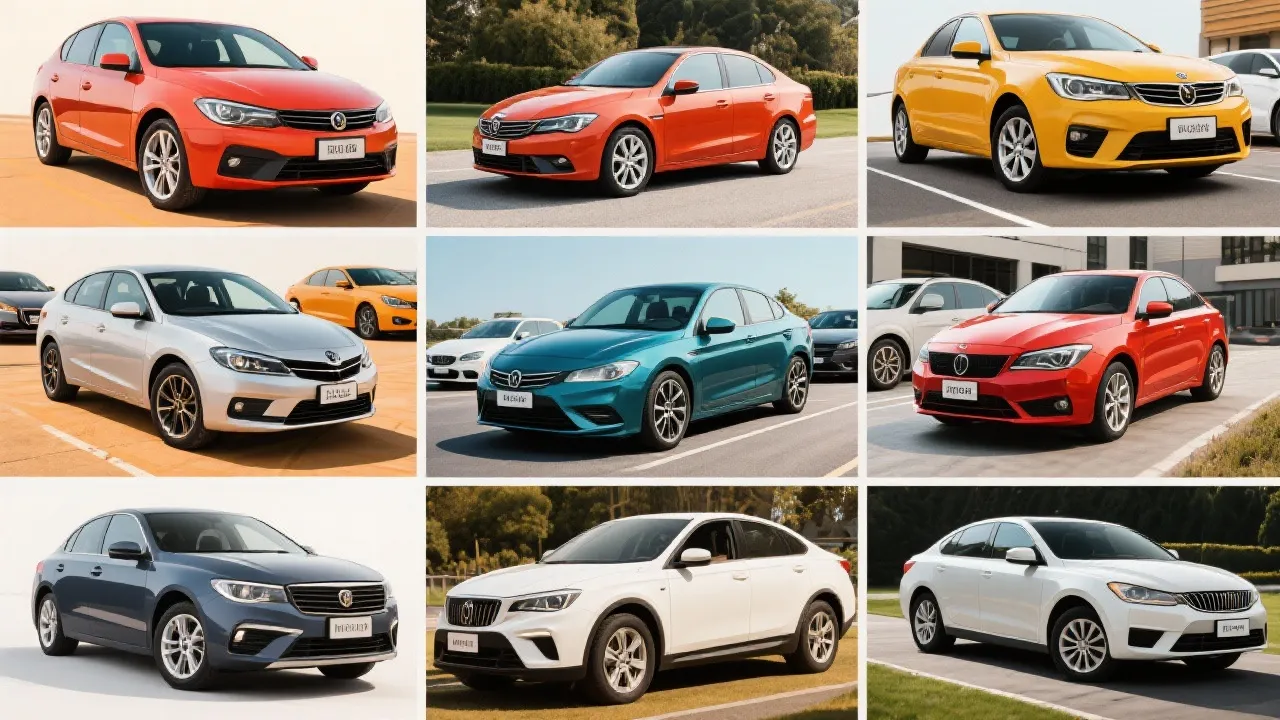
The Guide to Car Trading
This comprehensive guide explores the dynamics of car trading through the lens of organizational culture theories by Cameron & Quinn. With a focus on how these theories influence business operations and consumer behavior in the car trading industry, this article also introduces platforms where vehicles are commonly traded. Considered resources like Autotrader and Carmax, ensuring access to up-to-date car listings and information.
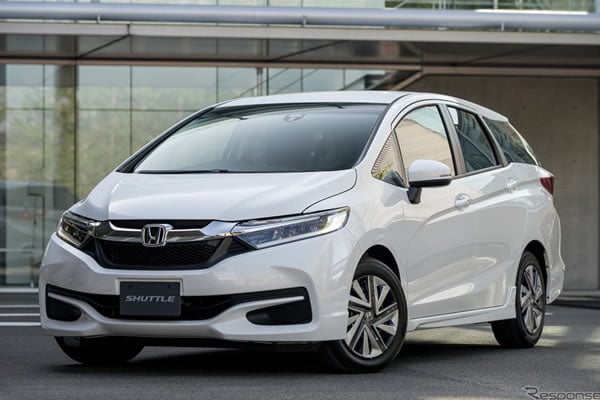
How to Buy Quality Used Cars Affordably
Buying a used car can be an excellent way to save money while still obtaining a reliable vehicle. However, it requires careful planning and informed decision-making to ensure that you get the best deal without compromising on quality. This guide will walk you through the essential steps to buy a quality used car affordably, covering key considerations and strategies.
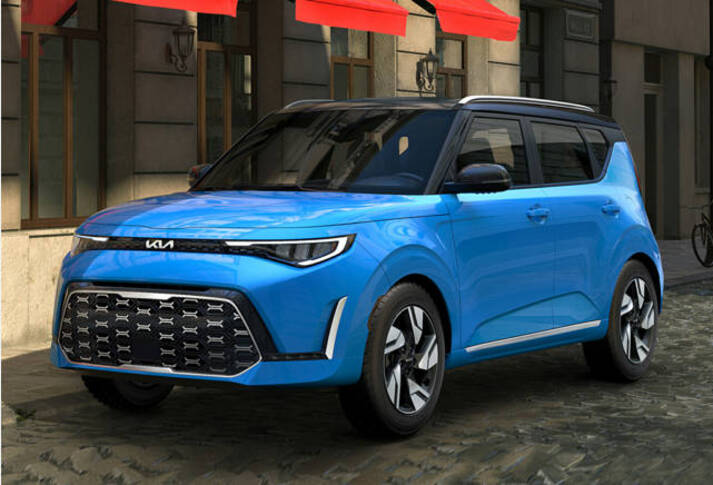
Choosing the Perfect Economical SUV for the Elderly
Selecting an economical SUV for seniors involves considering affordability, comfort, and safety. This guide offers valuable tips to help older adults find their ideal vehicle.

How to Buy a Camaro on Sale: Expert Guide
This guide explains how to research, compare, and purchase a Chevrolet Camaro on sale using reputable online car marketplaces. In objective terms, “Camaro” refers to a long-running American performance model whose pricing varies by trim, model year, condition, and demand. Consumers typically compare inventory across dealers, certify vehicle history, and verify total out-the-door costs before committing.

Driving into the Future: Electric Cars for Seniors and Their Benefits
In today's world, electric cars offer seniors numerous benefits. This guide provides advice and tips to help seniors transition to electric vehicles seamlessly.

Maximizing Medicare Benefits for Senior Mobility Scooter Users
As the population ages, the importance of ensuring senior citizens retain mobility and independence becomes increasingly critical. For many seniors who have limited mobility, mobility scooters serve as a vital tool for enhancing quality of life. However, understanding how to maximize Medicare benefits for mobility scooter usage can be complex. This article aims to provide an overview of how seniors can navigate Medicare provisions to make the most of their mobility assistance devices.
