Vehicle Availability can make or break your car-buying plan, especially when you’re searching for a cheap car on sale. This guide explains what “vehicle availability” really means in the used-car market, how online inventory tools work, and how to compare listings efficiently. It then provides a practical, step-by-step approach to locate deals, verify listings, and avoid common pitfalls—objectively and without hype.

When shoppers search for “a cheap car on sale,” the decisive factor is Vehicle Availability—the real-time presence of specific makes, models, trims, and inventory conditions at dealers or marketplaces. In practical terms, availability determines whether you can see a car today, schedule a test drive this week, or wait for an incoming unit that may never match your budget. For buyers, this is where strategy matters: you’re not only hunting for price, you’re hunting for cars that are actually purchasable now.
From an industry perspective, availability is influenced by trade-in flow, auction cycles, shipping schedules, reconditioning timelines, and how quickly listings are updated online. A “cheap car” deal is usually not just about what the vehicle costs—it’s about whether the seller’s internal workflow allows the car to be shown, financed, tested, and delivered on a timeline that matches your needs. That’s why two websites can show very different results even for the same search terms. The top deals typically belong to inventory that is listed accurately, updated frequently, and priced transparently relative to condition and demand.
In other words, the best bargain that isn’t available is just a number on a screen. Buyers who treat availability as a central variable—not a secondary detail—make smarter decisions and avoid the most common frustration: driving across town, taking time off, or getting emotionally attached to a listing only to learn the car has been sold, reserved, or moved into a status that makes it temporarily unavailable.
To understand this, consider what “in stock” actually means in day-to-day retail operations. A car might technically belong to a dealership’s broader inventory network, but it may be at a different location, awaiting repairs, or awaiting paperwork review. Some listings appear while the vehicle is still undergoing reconditioning; some are posted early to generate interest; some are pulled down quickly if the vehicle is sold through another channel (wholesale or a private buyer). Your goal is to filter out listings whose “availability signal” is weak, and focus on those with a strong probability of being purchasable now.
That’s why Vehicle Availability is often the hidden driver behind “cheap car on sale” outcomes: it shapes the set of vehicles you can compete for, it shapes the speed at which you must act, and it shapes the likelihood that you’ll be able to verify condition, paperwork status, and pricing structure before you commit.
Vehicle Availability usually appears indirectly through listing filters and site inventory counts. Rather than treating “in stock” as a vague promise, treat it as a workflow signal. Think of it like a probability indicator: the more consistent and verifiable the listing information is, the more likely you’re looking at a vehicle that will remain accessible long enough for you to take action.
When you search online, you’ll encounter availability markers in various forms: “in stock,” “ready for sale,” “available now,” “available soon,” or even subtle clues embedded in the dealership’s call-to-action buttons. Some sites also offer sorting tools like “most relevant,” “newest,” “recently updated,” or “availability” tags. Those are not perfect, but they help you understand whether the listing reflects current physical inventory or something closer to an estimate.
Instead of asking “Is it in stock?” ask “Is it action-ready?” Here are practical ways to interpret availability across platforms:
For buyers focusing on budget-friendly options, the key is to compare inventory not only by sticker price, but also by how quickly a listing moves from “posted” to “available for purchase.” If you’re trying to buy cheaply, time matters because the cheapest cars tend to attract attention quickly; they may be reserved quickly if the seller sees strong demand, and a short wait can erase the opportunity.
Availability interpretation also matters for risk management. A listing that appears cheap but shows weak availability signals may be cheaper because it has problems: it could be delayed, temporarily unavailable, or held for paperwork resolution. That doesn’t always mean it’s a bad car, but it does mean you need to verify more carefully.
Finally, keep in mind that inventory data on websites is not always the same as internal dealership status. Many retailers update their listings automatically or in batches. That creates a lag between the moment a unit becomes sale-ready and the moment the website reflects it. Your strategy should account for this lag by contacting the seller quickly and asking verification questions that reveal real-time status.
Several major platforms maintain consumer-facing inventories and shopping flows. If your goal is a low-cost purchase, you should understand the difference between a marketplace, a dealer network site, and a platform that emphasizes direct dealer listings. The platform you use can shape what you see first, how quickly you can verify availability, and how confident you can be that pricing and condition notes correspond to an actual sale unit.
Some platforms aggregate large amounts of dealer inventory, enabling you to compare many options quickly. Others function more like a retailer with curated inventory and a standardized purchase process. The best choice depends on your tolerance for uncertainty, your negotiation preference, and how much time you want to spend filtering listings.
| Platform (Category) | What it’s typically top for | Common buyer value |
|---|---|---|
| cars.com (Car shopping) | Broad browsing across dealer inventory; strong filtering | Helps you compare many listings quickly by price, mileage, and location |
| Carmax (Retail used-car retailer) | Curated inventory with standardized buying experience | Often supports predictable purchasing steps for shoppers |
| caronsale.com (Car listings) | Marketplace-style browsing | Can surface diverse “for sale” offers depending on current postings |
| autotrader.com (Car listings) | Dealer and private-party style listings aggregation | Useful for scanning deals and comparing availability across sellers |
source: www.cars.com
source: www.carmax.com
source: www.caronsale.com/en ; www.autotrader.com
(These sites are referenced as sources of the inventory-shopping context described in this article.)
Practical note for budget hunters: “Cheap” is rarely just the lowest listed price. A low price paired with missing service history, questionable condition disclosures, or unclear titles can become costly after purchase. Even if a cheap car is technically available, it may require immediate repairs that erase the savings. That’s why using reputable listings sources improves your odds of obtaining the documentation needed for a confident decision.
It also helps to understand what each platform tends to reward. Broad aggregators often reward speed and breadth: you can search, compare, and quickly jump between listings. Retailers reward predictability: you may get more standardized reconditioning or more consistent buyer experience. Marketplace-style sites can reward variety, but the quality and reliability of seller disclosures can vary more widely.
When you’re seeking vehicle availability at the lowest price, using multiple platforms strategically can be powerful. Some deals appear on one site first and a different site later. By checking multiple sources, you increase your probability of being among the earliest responders when a cheap unit hits the market. That can translate into better negotiating position or just the ability to view the car before it’s reserved.
Another difference across platforms is how they handle photos, vehicle history disclosures, and listing freshness indicators. Some sites show more detailed condition notes, while others rely on seller-provided information that may be less complete. For your decision, those differences matter because your primary job is to identify not just low price, but low uncertainty.
Ultimately, the platform is your starting point. Your real confidence comes from verification: confirming availability, requesting documentation, and validating condition through an inspection or at least through a thorough seller conversation and a cautious test drive.
Below is a proven approach that prioritizes Vehicle Availability while keeping your total cost of ownership in view. Cheap cars aren’t just about purchase price—they’re about whether you can realistically drive the vehicle reliably afterward without being blindsided by large repair bills.
To keep the process effective, structure it so that you move quickly from “interest” to “verification.” The longer you linger in comparison mode without confirming actual availability, the more likely you’ll miss the deal or waste time on a car that is no longer purchasable.
Before you open listings, define your budget as an out-the-door number (car price + taxes/fees + registration + any required inspections). Many shoppers focus on the listed price and then face surprise costs. Industry buyers treat the negotiated price as only one component of the total checkout.
To convert to out-the-door thinking, include common line items that vary by location and dealer:
If you don’t do this upfront, you may end up “winning” a low price listing but losing the total budget due to fees or required work. Out-the-door thinking also helps you negotiate more effectively because you can ask for a written breakdown and compare like-for-like offers.
When a car is listed, it may still be in recon. Look for wording that indicates the unit is ready for viewing, scheduling, or financing. If the listing offers immediate scheduling, that’s a stronger signal that it’s available soon rather than being delayed.
To improve your odds of finding a truly available vehicle, narrow your search further than you think you need—then verify quickly. For example, if you find 10 cheap listings, don’t spend three days comparing them. Instead, contact the top 2-3 immediately, verify they are available now, and only then broaden your search if needed.
An effective availability window strategy might look like this:
Cheap cars move fast, especially when priced below typical market range. Your “availability window” should be shorter for the cheapest listings, because they are more likely to be reserved quickly.
Use your filters (price, mileage, body style, drivetrain, year range) but then shift attention to the quality of the listing details. Cheap listings that are missing key information can hide risk. Your job is to differentiate between “cheap because cosmetic issues” and “cheap because major problems.”
Use documentation quality signals such as:
This is where Vehicle Availability becomes meaningful: listings that include stronger documentation are more likely to reflect vehicles that are ready and purchaseable. A listing with high-quality details suggests the seller has already done at least a first-pass verification and is preparing the car for sale.
Instead of asking generic questions, ask verifiable ones. Your goal is to determine whether the unit exists on-site, whether it’s sale-ready, and whether the paperwork is clear—before you invest time and travel.
Use a structured verification script like this:
Optional follow-up questions that often reveal hidden risks:
Dealers who can answer clearly usually manage inventory more professionally, which tends to correlate with smoother availability. If the seller cannot confirm whether the vehicle is on-site or avoids direct answers, treat it as a potential red flag—not necessarily a deal breaker, but a reason to slow down and demand specifics.
Keep your communication tight and time-aware. Cheap cars are moving. If the seller takes 24-48 hours to respond, you may be waiting while someone else buys the unit. Your questions should be concise, your intent clear, and your timeline explicit (e.g., “I can come for a test drive today or tomorrow morning.”).
Don’t compare solely by purchase price. Create a quick affordability score that accounts for both price and risk. A slightly higher listing price with better documentation and lower expected maintenance may actually be cheaper overall.
One practical approach is to consider:
From an industry viewpoint, the low price listing is often not the low price outcome. A cheap listing may have hidden costs: immediately needed repairs, expensive tires, or the lack of service history. In contrast, a listing that looks slightly more expensive can reduce uncertainty and lower the chance of a bad surprise.
To make this decision more concrete, you can assign rough relative weights. For instance, you might score:
Then compare total scores while also comparing total out-the-door costs. This doesn’t require advanced math—it simply forces you to evaluate what’s likely to cost money after purchase.
A short test drive is useful, but you should also inspect. Cheap cars can hide issues that show up only when you check specific systems. If the deal is unusually low, you should be more thorough, because the “discount” often represents a risk being transferred to the buyer.
During the test drive and inspection, pay attention to:
Be careful about “feel” alone. For example, a car can drive okay during a short test drive but reveal problems later. That’s why pre-purchase inspection is so valuable. If the car meets your budget and availability requirements, a pre-purchase inspection is often the top insurance against hidden repair costs.
When you’re checking tires and brakes, remember that these items can be both safety issues and immediate cost items. Uneven tire wear might indicate alignment or suspension problems. A “cheap car” price that doesn’t account for soon-to-be-needed tires can be a false bargain.
Also, inspect the vehicle’s physical condition for signs that repairs are missing or rushed: inconsistent panel gaps, paint mismatch, fresh underbody coatings, and evidence of repeated leaks. You don’t need to be a mechanic to notice red flags; you just need to compare what you see to what a normal well-maintained used car would look like.
Negotiation works best when grounded in verifiable factors: condition notes, comparable listings, and any inspection outcomes. Buyers who treat negotiation as an evidence-based process often achieve better outcomes—particularly when the seller’s inventory is active and the vehicle has multiple potential buyers.
Evidence-based negotiation tactics include:
Cheaper deals can also be negotiated by reframing what “value” means. If the seller is priced low but has incomplete documentation, you can negotiate for either documentation, an inspection package, or a reduced final price to compensate for uncertainty.
At the same time, don’t over-negotiate a car that is already priced at a competitive level and is clearly well-documented. If the listing is already fair and the car is sale-ready, the seller may have limited flexibility. Your goal is to get a better deal without pretending the market can’t see the same information.
Even when a listing appears available, cars can be sold or placed on hold. Before you sign, confirm:
This step prevents a common availability mistake: relying on what was listed rather than what is currently ready. Availability isn’t just about whether the car exists—it’s about whether the car will be available under the terms you expect when you finalize the transaction.
To reduce the risk of misunderstanding, ask for written confirmation when possible. For example, if the seller says the car will be ready by a specific date after reconditioning, get that date in writing. If they promise to provide documents or address recalls, get a commitment you can verify later.
Also confirm operational availability: if you plan to pick up the vehicle on Saturday, make sure the dealership will be open and the vehicle will be ready for handoff. Cheap deals often involve time-sensitive scheduling, so aligning timelines reduces friction and protects your leverage.
The following comparison explains typical conditions and requirements that influence whether a car remains available long enough for you to act. Availability is not binary—it changes based on readiness stages. Understanding those stages helps you decide whether to move quickly, whether to wait, and what questions to ask.
| Condition / Requirement | What it means for availability | Buyer action |
|---|---|---|
| Vehicle listed as “in stock” | More likely ready for inspection/test drive | Schedule quickly and verify the unit is on-site |
| Vehicle in reconditioning | May exist but availability window can shift | Ask for an estimated completion date |
| Financing approvals pending | Unit might be held only after approval | Know your financing status before finalizing |
| Title or documentation review | Purchase readiness may depend on paperwork | Confirm documentation status early |
| High-demand pricing | Fast-moving inventory can disappear quickly | Act fast if the deal is truly comparable |
To expand on why these conditions matter, consider how each one affects your practical buying timeline:
The most important buyer action is to match your effort to the readiness stage. If a vehicle is in stock and well-documented, you can move fast. If it’s in recon or paperwork review, you must ask for timelines and verify readiness before committing to travel or financing steps.
In many vehicle retail operations, inventory flow is cyclical. Trade-ins and wholesale purchases can surge after certain seasonal patterns, promotions, or auction cycles. Reconditioning and inspection schedules also introduce variability—one lot car may be ready immediately, while another needs a few days for repairs or detailing.
For you as a buyer, this means:
To use availability shifts to your advantage, develop a system:
Industry reality: availability changes because people move cars through a pipeline. That pipeline includes acquisition, inspection, recon, compliance checks, and finally posting to sales. When you understand this, you stop treating listings as static facts and start treating them as real-time reflections of a process. Your advantage is verifying where each car sits in that process.
Another useful mindset is to treat the cheapest listing as the beginning of a verification process, not the end of it. You’re not simply buying a number—you’re buying a ready-to-sell vehicle with a known history and a clear purchase path.
Cheap can be a moving target. In the used market, a “cheap” car is typically one of these:
However, cheap should also imply that the car is safe to operate and has a reasonable probability of being reliable over the period you need. A buyer’s top defense is disciplined verification: availability confirmation, documentation review, and—when feasible—an independent inspection.
To make “cheap” practical, define what you’re actually optimizing for. Is it minimizing the monthly payment? Minimizing the purchase price? Minimizing repair risk? The cheapest sticker price often conflicts with the lowest risk. A strategy that focuses only on sticker price can produce expensive outcomes due to neglected maintenance.
Here are more nuanced examples of what “cheap” can mean:
Also remember that “cheap” can mean different things depending on the buyer’s life situation. If you need a car to start commuting within days, the best deal might be one that is available immediately with reliable paperwork. If you have time to wait and can handle a later purchase, you might find better values from units that are “available soon” after recon.
Finally, treat cheap as a baseline that must pass safety and verification thresholds. The goal is not to find the lowest priced car imaginable; the goal is to find the lowest priced car you can safely and confidently buy given the documentation and availability you can verify.
Vehicle Availability refers to whether a specific vehicle listing is currently purchasable—meaning it exists as inventory and is ready for viewing and/or purchase within a realistic timeframe. In practice, availability can be affected by reconditioning, documentation checks, or reserved sale status.
Availability also includes operational readiness: the ability to schedule a test drive, secure financing, complete paperwork, and pick up the vehicle within a timeframe that works for you. Some listings can be “available for viewing” but not “available for immediate purchase,” which matters if you need the car urgently.
High-demand or competitively priced inventory can be reserved or sold soon after being posted. Additionally, some listings may be updated when a vehicle changes status (e.g., held for another buyer, moved to reconditioning, or removed due to paperwork review).
Listings can also disappear because the dealer sells the vehicle through another channel—such as wholesaling or an internal customer. That’s why verification and timing are crucial. If you like a deal, contact quickly rather than assuming it will remain visible.
Start by using reputable inventory sources and then focus on listing documentation quality. Verify condition disclosures, request clarification on any issues, and consider a pre-purchase inspection—especially when the price is significantly lower than comparable vehicles.
Hidden problems often appear in categories like mechanical wear (suspension, brakes, transmission), accident-related repairs, electrical issues, and missing maintenance. You reduce risk by requesting service history, looking for coherent disclosures, and checking the basics during inspection and test drive.
It depends on your priorities. Retailers often provide a more standardized buying process, while aggregated listings can offer a wider range of inventory and pricing. Regardless of channel, confirm availability and verify paperwork before committing.
Retailers can be advantageous if you want predictability and a more uniform process. Aggregators can be better if you want broader discovery and the ability to compare multiple sellers quickly. In both cases, your verification steps should remain consistent: availability, documentation, and condition checks.
Use price and mileage filters first, then narrow by body style, drivetrain, and key features you need. After that, sort by relevance or recency (if available) and review disclosures carefully. The goal is to surface cars that are both affordable and actually available now.
Also consider sorting by “recently updated” or “days on site” if the platform provides it. Cars that have been posted for a long time may still be available, but they may also indicate unresolved issues. Not always, but it’s a useful factor for your decision-making.
They’re useful but not perfect. Always confirm directly with the seller. Availability can change between the time a listing is posted and when you contact the dealer or arrive for a test drive.
In-stock badges are best treated as a starting assumption. Your confirmation script should validate the real-time status: on-site presence, readiness for test drive, and whether the unit is reserved or pending paperwork.
Ask for a written breakdown that includes taxes, registration-related fees, dealer fees, and any required inspections. If financing is involved, request the payment quote and the assumptions behind it.
When financing is included, confirm whether the dealer fee is included, whether add-ons like extended warranties or service packages are optional, and what the total cost is over the life of the loan. A cheap car can become expensive if add-ons are forced or if loan terms are unfavorable.
Request clarification and, ideally, a new set of photos or a virtual walkthrough. If discrepancies exist, treat the listing as an unverified claim until the seller confirms the vehicle condition consistent with the paperwork and disclosures.
Photo mismatch can be a simple issue—lighting, angle, or outdated photos. But it can also signal undisclosed damage. You reduce risk by demanding confirmation and relying on documentation and inspection rather than on the listing images alone.
Finding a cheap car on sale is not only about searching for the lowest price—it’s about aligning your decision with Vehicle Availability. By using reputable inventory sources, verifying that vehicles are purchasable now, and applying disciplined comparison standards, you reduce uncertainty and improve the odds of a worthwhile purchase. In a market where inventory can change quickly, speed with verification is a strong buyer advantage.
When you treat availability as a central factor, you stop wasting time on listings that can’t be acted on and you spend your effort where it counts: on cars that can be tested, financed, documented, and purchased. That approach makes your “cheap car” search more efficient and more reliable.
Above all, remember that availability is part of the deal. The best bargain is the one you can actually buy on the terms that protect you. The moment you confirm real-time readiness, you turn the online search from a guessing game into a structured purchasing process—one that supports smart negotiation, safer decision-making, and better outcomes for your budget.
1) The above information comes from online resources, and the data is as of October 2023.
2) For more information, please refer to the official website.
Reference links (including all links used):
Striking the Perfect Balance: Navigating Premiums and Out-of-Pocket Expenses in Senior Insurance Plans

Explore the Tranquil Bliss of Idyllic Rural Retreats

How to Make Lasting Memories at Disneyland Attractions

4rkojvsx Technology: Industry Insights and Buying Guide

Affordable Phones and Plans for Seniors

Affordable Full Mouth Dental Implants Near You

Unlock the Top Kept Secrets to Finding Your Ideal Dentist for Flawless Dental Implant Results!

Discovering Springdale Estates

Unveiling RS Sul Telecom Services


The Guide to Car Trading
This comprehensive guide explores the dynamics of car trading through the lens of organizational culture theories by Cameron & Quinn. With a focus on how these theories influence business operations and consumer behavior in the car trading industry, this article also introduces platforms where vehicles are commonly traded. Considered resources like Autotrader and Carmax, ensuring access to up-to-date car listings and information.

How to Buy Quality Used Cars Affordably
Buying a used car can be an excellent way to save money while still obtaining a reliable vehicle. However, it requires careful planning and informed decision-making to ensure that you get the best deal without compromising on quality. This guide will walk you through the essential steps to buy a quality used car affordably, covering key considerations and strategies.
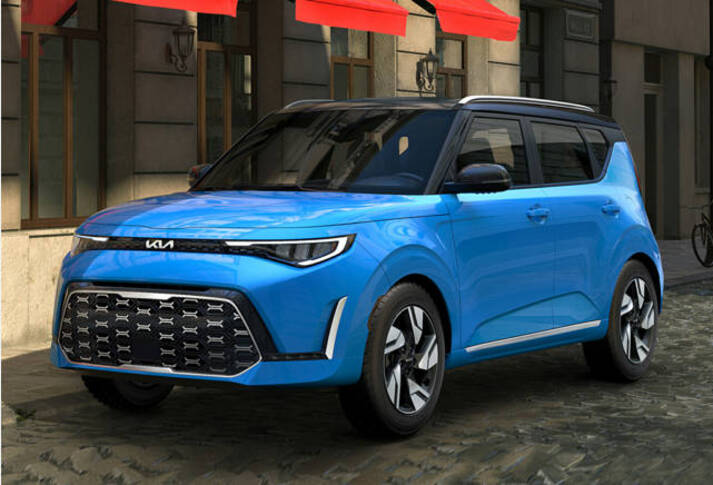
Choosing the Perfect Economical SUV for the Elderly
Selecting an economical SUV for seniors involves considering affordability, comfort, and safety. This guide offers valuable tips to help older adults find their ideal vehicle.

How to Buy a Camaro on Sale: Expert Guide
This guide explains how to research, compare, and purchase a Chevrolet Camaro on sale using reputable online car marketplaces. In objective terms, “Camaro” refers to a long-running American performance model whose pricing varies by trim, model year, condition, and demand. Consumers typically compare inventory across dealers, certify vehicle history, and verify total out-the-door costs before committing.

Driving into the Future: Electric Cars for Seniors and Their Benefits
In today's world, electric cars offer seniors numerous benefits. This guide provides advice and tips to help seniors transition to electric vehicles seamlessly.

Maximizing Medicare Benefits for Senior Mobility Scooter Users
As the population ages, the importance of ensuring senior citizens retain mobility and independence becomes increasingly critical. For many seniors who have limited mobility, mobility scooters serve as a vital tool for enhancing quality of life. However, understanding how to maximize Medicare benefits for mobility scooter usage can be complex. This article aims to provide an overview of how seniors can navigate Medicare provisions to make the most of their mobility assistance devices.
