This article explores the profound themes and cultural nuances found in the narrative of "Obasan," emphasizing how the book reflects historical events and emotional journeys. The novel, known for its depiction of Japanese-Canadian experiences, has been pivotal in literary circles for understanding cultural identity and personal suffering amidst historical turmoil.

"Obasan," a work of fiction by Joy Kogawa, captures the complex landscape of Japanese-Canadian experiences during World War II. First published in 1981, this novel has remained a significant literary piece, providing insights into cultural identity, historical impact, and personal suffering. In 2012, "Obasan" was revisited in discussions and literary circles, making it relevant for both historical and contemporary analysis. Kogawa's narrative delves into the life of Naomi Nakane, a young Japanese-Canadian girl, as she navigates the tumultuous waters of her identity formed against the backdrop of her community’s internment. Through Kogawa's vivid storytelling, readers are drawn into the emotional and psychological struggles faced by individuals confronted with prejudice and existential displacement.
In 2012, "Obasan" resurfaced in academic and popular dialogue due to its enduring themes of memory, silence, and trauma. This resurgence highlights the novel's ability to connect with readers, transcending time and offering a lens through which the scars of the past can be examined and understood in modern contexts. The notion of silence, both in the personal narrative of Naomi and the collective silence experienced by the Japanese-Canadian community, offers a profound commentary on the effects of societal repression. As literary critics and educators began to integrate the novel into contemporary discussions surrounding identity politics, civil rights, and cultural preservation, it enabled a renewed focus on the broader implications of Kogawa’s work in addressing systemic injustices faced by marginalized communities.
The discussions in 2012 also coincided with a broader cultural awareness within Canada regarding its own historical narratives. There was a heightened interest in issues related to reconciliation and historical acknowledgment, making "Obasan" not only a story of the past but an essential dialogue piece for understanding current multicultural dynamics in Canada. The remembrance initiatives sparked by the 70th anniversary of World War II and the internment of Japanese Canadians coincided with this resurgence, as communities sought to understand and address their legacies.
At its core, "Obasan" articulates themes of loss, silence, and cultural dislocation. These themes are woven through the protagonist's recollections and her family's struggles, providing a poignant reflection on the forced internment of Japanese Canadians. The novel subtly critiques the systemic racism and governmental actions of the era, offering a narrative that is both personal and universally relatable. Kogawa's portrayal of silence acts as a complex motif; while it reflects the oppression that the Japanese Canadian community faced, it also embodies the nuanced ways in which individuals cope with suffering. The protagonist's Aunt Obasan embodies this silence, representing the older generation that often internalizes trauma rather than vocalizing it.
"Obasan" employs rich imagery and symbolism, utilizing nature to reflect emotional states and cultural connections. For instance, the imagery of the land and its seasons parallels the characters’ internal journeys. As Naomi recalls vivid memories related to her upbringing, the reader is exposed to the duality of her experience—joy intertwined with sorrow. This complex layering of emotions allows readers to empathize deeply with the character while also confronting the harsh realities of displacement and loss experienced by the community as a whole.
Additionally, the narrative's structure, with its nonlinear timeline, mirrors the fragmented nature of memory itself. Through the shifts in past and present, Kogawa illustrates the impact of trauma on personal identity and the difficulty of reconciling one's past with their current self. The use of flashbacks serves not only as a storytelling device but also as a means to reconstruct the traumatic history that shapes the identities of the characters. In “Obasan,” every memory carries weight and significance, revealing deeper truths about loss, belonging, and the importance of cultural continuity.
| Aspect | "Obasan" 2012 | Historical Accounts |
|---|---|---|
| Cultural Impact | Revitalized discussions on Japanese-Canadian identity and cultural preservation. | Static documentation of events without personal narrative. |
| Emotional Depth | Rich narrative combining personal suffering and emotional introspection. | Conventional retelling without fiction's emotional connectivity. |
| Character Development | Complex characters that evolve as symbols of trauma and resilience. | Focus on historical figures and events without depth of personal narratives. |
| Perspective | First-person perspective invites intimacy and immediacy in storytelling. | Third-person or objective narrations often detached from emotional truths. |
The resonance of "Obasan" in 2012 can partly be attributed to its critical acclaim and its role as a central text in Canadian literature courses. The novel's exploration of identity, discrimination, and the personal impact of historical events has made it an integral part of discussions on multiculturalism and inclusion. Academics and critics alike highlight its narrative strength and the authenticity of its portrayal of historical injustices. The critical acclaim also lies in Kogawa’s ability to tackle deeply personal and societal issues in a manner that is accessible yet profound.
"Obasan" has sparked essential conversations in both academic and public spheres regarding the necessity of multicultural narratives in understanding Canada’s diverse society. As educational institutions across the country began to adopt more diverse literature, Kogawa's work found a renewed audience, ensuring that newer generations are aware of the historical context that shapes Canadian identity. The ongoing discussions surrounding the themes presented in "Obasan" further emphasize its importance in understanding historical and contemporary forms of racism and discrimination faced by various communities.
Moreover, the profound impact of "Obasan" is reflected in its adaptations, including stage plays and readings, which allow the themes to reach audiences through different mediums, enhancing its status as a vital piece in the Canadian literary canon. These adaptations demonstrate the novel's lasting influence and its ability to resonate with both existing fans and new audiences. Critical essays and symposiums dedicated to exploring its themes have further cemented the importance of "Obasan" in understanding not just the history of Japanese Canadians, but broader discussions on human rights and justice.
Looking ahead, "Obasan" remains a vital text for understanding and discussing cultural narratives and historical impact. Its thematic depth continues to provide insight into the complexities of cultural identity, making it a timeless piece relevant to both academic and personal inquiries into history and memory. As Canada continues to grapple with its history and the ongoing implications of colonization and cultural dislocation, "Obasan" stands as a critical reminder of the importance of acknowledgment and the necessity of preserving marginalized voices.
The future of "Obasan" may also involve its continued presence in educational curricula and literary discussions, ensuring that it remains part of the dialogue surrounding national identity and cultural heritage. As new generations of readers encounter Naomi's journey and the broader context of Japanese-Canadian experiences, the narrative will inspire meaningful conversations around empathy, understanding, and the responsibility of remembering the past while shaping a more inclusive future.
The exploration of Kogawa's work is primed for further academic and creative engagement, inviting new interpretations and adaptations that speak to the continuously evolving landscape of Canadian society. As it encourages introspection and critical thinking about the multifaceted experiences of identity and displacement, "Obasan" will undoubtedly continue to resonate, bridging the past with the present and future for audiences across generations.
Striking the Perfect Balance: Navigating Premiums and Out-of-Pocket Expenses in Senior Insurance Plans

Explore the Tranquil Bliss of Idyllic Rural Retreats

How to Make Lasting Memories at Disneyland Attractions

Affordable Phones and Plans for Seniors

Affordable Full Mouth Dental Implants Near You

Unlock the Top Kept Secrets to Finding Your Ideal Dentist for Flawless Dental Implant Results!

Discovering Springdale Estates

The Guide to Car Trading

Affordable Cell Phones Without Plans


Understanding Lato Sensu Education
Lato Sensu is a term used to describe a type of specialized education, typically in the context of postgraduate studies. It emphasizes a flexible, broad approach to learning compared to more narrowly defined courses. This article delves into the significance, scope, and benefits of Lato Sensu programs, particularly how they cater to professionals seeking career advancement.

Unlocking the Secrets of Wizard Lessons
Wizard Lessons offer a glimpse into the mystical world of magic, providing structured learning experiences for aspiring wizards. These lessons cover various aspects of magic, from spell casting to potion making, and are deeply rooted in both tradition and evolving magical practices. Aspiring wizards can delve into these teachings to enhance their magical prowess and understanding of the enchanted arts.

Understanding Lato Sensu Courses
Lato Sensu refers to postgraduate courses offering specialized education, often linked to practical experiences and professional enhancement. These programs emphasize advanced learning tailored to students' chosen fields, with flexible formats to accommodate diverse educational goals and local contexts. This article explores the significance, structure, and advantages of Lato Sensu programs for aspiring professionals.

Understanding Lato Sensu Education Courses
Lato sensu education courses are specialized postgraduate programs offering practical skills and knowledge in specific fields. Distinct from stricto sensu programs focusing on academic research, lato sensu courses are typically shorter and professionally oriented, making them attractive to those seeking career enhancement. This article delves into the intricacies of lato sensu education, exploring its benefits, structure, and global perspective.
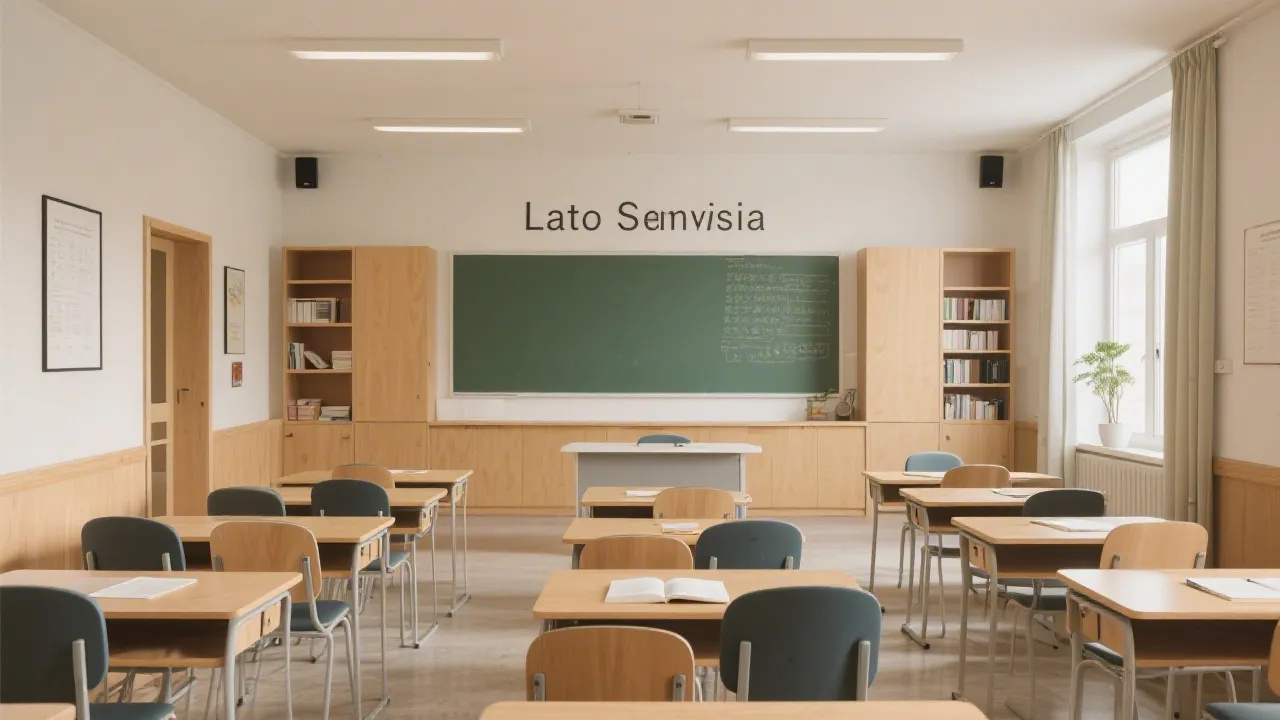
Understanding Lato Sensu Education
This guide explores the essential aspects of Lato Sensu programs, which are critical post-graduate courses focusing on specific professional skills enhancement. Typically found in Brazilian education, these programs differ from Stricto Sensu courses by emphasizing practical skills over theoretical research. The article analyzes the elements critical to choosing a Lato Sensu course, such as institution reputation, course content, and potential career outcomes.

Understanding Lato Sensu Programs
Lato Sensu programs are advanced educational offerings focused on professional specialization and continued learning. These programs, prevalent in various regions, cater to the needs of professionals who seek to enhance their expertise through structured curricula, diverse opportunities, and practical-oriented teaching methods. They are crucial for adaptive workforce development in today's dynamic professional landscape.
