This guide explains how a V2H inverter connects an electric vehicle with a home’s electrical system, including operating principles, equipment requirements, safety controls, installation considerations, costs, and purchasing criteria. A V2H inverter is a bidirectional power-conversion device that can direct electricity from the grid or solar system into an EV battery and, when supported, return stored energy to selected household circuits. Compatibility depends on the vehicle, charger, electrical standards, utility rules, and installation design.
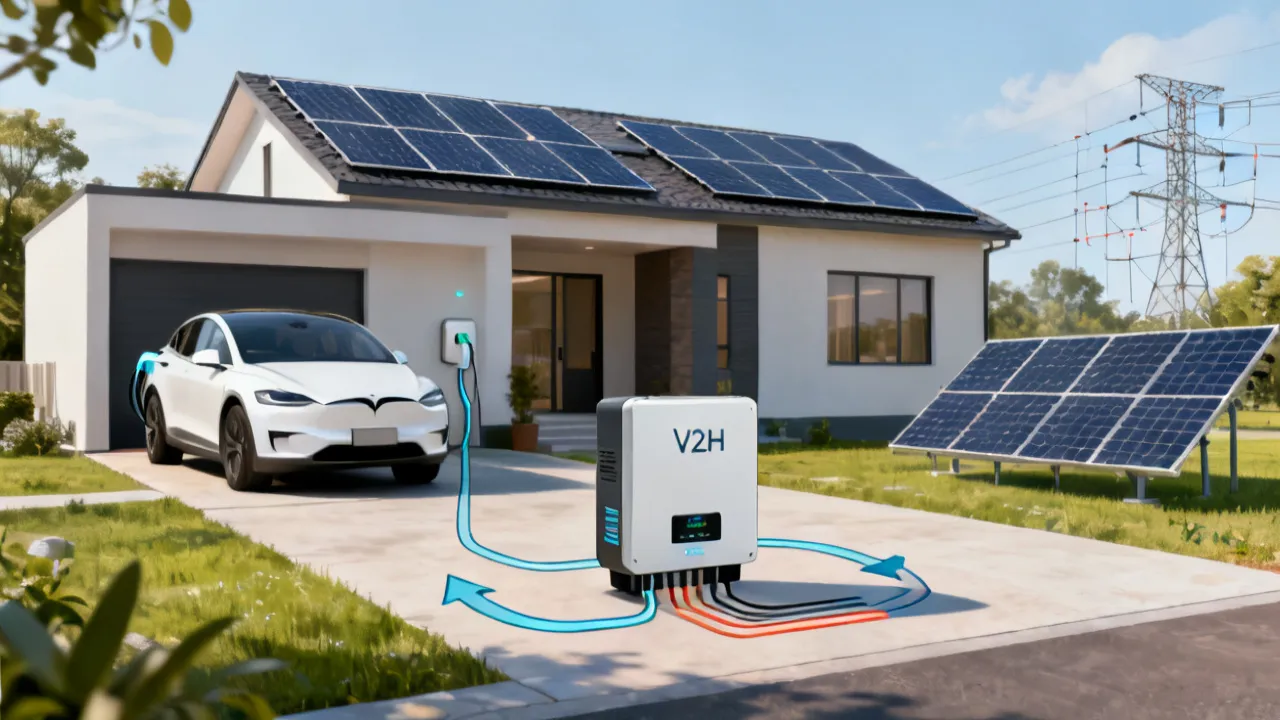
A V2H inverter, short for vehicle-to-home inverter, is a bidirectional power-conversion system that allows a compatible electric vehicle to exchange electricity with a residential property. In conventional EV charging, electricity moves in one direction: from the utility grid or a solar photovoltaic system into the vehicle battery. With V2H technology, electricity can also move from the vehicle battery back into the home, usually during a power interruption, during periods of high electricity prices, or when household energy is being managed around solar production.
The very important purchasing principle is that a V2H inverter is not a universal accessory for every electric vehicle. The vehicle, charging equipment, inverter, home electrical panel, software, utility connection, and local regulations must operate as one coordinated system. A vehicle may support bidirectional charging in principle but still require a specific charger, communication protocol, firmware version, or installation arrangement before V2H operation is possible.
From an industry perspective, V2H should be treated as an integrated energy-management project rather than a simple replacement for a conventional EV charger. The inverter must regulate voltage and frequency, manage battery charging and discharging, prevent unsafe islanding, communicate with the vehicle, and coordinate with the home’s distribution equipment. The system may also need to work with solar panels, a stationary battery, a smart meter, or a utility demand-response program.
The most useful way to understand V2H is to separate three different functions: charging the vehicle, supplying the home during normal grid-connected operation, and supplying the home during a grid outage. A product may support one or two of these functions without supporting all three. For example, a vehicle might provide power to appliances through an outlet but not connect to a home panel. Another system might shift household energy consumption while the grid is available but not provide certified backup during an outage. Product descriptions should therefore be examined carefully instead of treating “bidirectional charging” as a complete description of system capability.
V2H describes the movement of energy between an electric vehicle and a residence. The vehicle battery acts as a flexible energy-storage resource, while the home becomes an energy consumer that may receive power from several sources. Depending on the design, energy can flow through the following paths:
V2H is different from ordinary charging because the charging equipment must support reverse power flow. It is also different from a portable power station. A portable power station generally supplies power through defined outlets and has its own battery and inverter. A V2H system is connected to the building’s electrical infrastructure and must meet stricter requirements for protection, switching, grounding, and interaction with the utility supply.
The home connection may be arranged in several ways. A system can feed a dedicated critical-loads panel, connect through a service-rated backup gateway, or operate behind the main service disconnect with whole-home load management. Each arrangement affects cost, installation time, supported appliances, and the way the system behaves during a utility failure. The physical distance between the vehicle parking location and the electrical panel can also influence cable size, voltage drop, trenching requirements, and equipment placement.
Several terms are used in the bidirectional charging sector. Their meanings overlap in public discussions, but they describe different operating arrangements.
| Term | Meaning | Typical destination of energy | Main purpose |
|---|---|---|---|
| V2H | Vehicle-to-home | A residence or selected household circuits | Backup supply and household energy management |
| V2G | Vehicle-to-grid | The public electricity grid | Grid support, demand management, and market participation |
| V2L | Vehicle-to-load | Appliances, tools, or equipment connected to an outlet | Portable or direct power for loads outside a building system |
| V2B | Vehicle-to-building | Commercial, institutional, or multi-unit building circuits | Building energy management and peak-load control |
A vehicle that supports V2L may not support V2H. V2L can often operate through an onboard outlet or an adapter, whereas V2H requires a controlled connection to the home wiring. V2G generally involves additional utility coordination because the vehicle exports electricity to the wider grid. A V2H inverter may be capable of supporting more than one operating mode, but that capability depends on certification, software, and the applicable interconnection rules.
V2B has particular importance for workplaces, apartment buildings, schools, and commercial facilities. The basic principle is similar to V2H, but the building may have higher peak loads, multiple electrical panels, larger service equipment, and more complex energy-management objectives. A product marketed for residential V2H should not automatically be assumed to be suitable for commercial V2B applications.
The inverter is the central power-conversion component. Batteries store direct current, while most home appliances operate on alternating current. The V2H inverter converts electrical energy between these forms and regulates the output so that the home receives power within the required voltage and frequency limits.
During normal grid-connected operation, the system may charge the vehicle when electricity is available from the grid or solar panels. The energy-management controller monitors household demand, solar generation, vehicle battery state of charge, time-of-use rates, and user settings. If conditions are appropriate, the inverter discharges energy from the vehicle to supply selected loads or, where permitted, the entire home.
During a grid outage, a certified transfer or isolation system separates the home from the utility network before the V2H inverter supplies backup power. This step is essential. Without electrical isolation, power could be sent onto utility lines during an outage, creating a serious risk for line workers and damaging equipment. The inverter must therefore detect grid conditions and stop or isolate output according to the relevant safety requirements.
Some systems provide backup only to a critical-loads panel. In that arrangement, circuits such as refrigeration, lighting, internet equipment, heating controls, medical devices, or selected outlets are transferred to a protected panel. Other systems are designed to support the complete home, although whole-home backup may require a higher-rated inverter, load management, and careful assessment of large appliances such as heat pumps, electric water heaters, ovens, and vehicle chargers.
A V2H system must also manage transitions between operating states. It may move from grid-connected charging to standby, from standby to backup, and from backup to grid reconnection. Each transition requires control logic that prevents abrupt or unsafe energization. The system may perform self-tests, wait for stable grid conditions, or temporarily delay reconnection to reduce the possibility of repeated cycling during an unstable outage.
A reliable installation normally includes more than the inverter itself. The following components should be assessed together:
One common design error is to focus on the inverter’s maximum power rating without examining the vehicle’s discharge capability and the home’s peak demand. A system that can supply several kilowatts may still struggle with motor starting currents or simultaneous operation of large electric appliances. Professional load calculations are therefore more useful than relying on a headline specification.
The cable and connector system also deserves attention. Repeated charging and discharging can place thermal demands on connectors, terminals, and conductors. Equipment should be installed according to the manufacturer’s torque, protection, clearance, and environmental requirements. A connector that is convenient for daily use must also be protected from moisture, dirt, physical impact, and unauthorized handling.
V2H technology can provide several practical benefits when the equipment is compatible and properly installed.
The vehicle battery can serve as an additional energy resource during a grid interruption. The duration of backup depends on battery capacity, the power rating of the inverter, household consumption, weather conditions, and the reserve level selected by the owner. A home using only essential circuits will generally consume less energy than a home operating heating, cooling, cooking, and water-heating equipment simultaneously.
Backup value is especially significant for households that depend on electric medical equipment, refrigeration for medicines, internet connectivity, sump pumps, security systems, or electrically controlled heating. Nevertheless, a backup plan should identify which loads are truly essential. A vehicle battery may last for many hours when supplying modest loads but may be depleted quickly by electric resistance heating or a large water heater.
When solar production exceeds immediate household demand, surplus energy may be directed to the vehicle battery, subject to system controls and local interconnection rules. Later, the stored energy may supply household loads. This can help align solar generation with evening consumption, although the actual financial outcome depends on electricity tariffs, export compensation, battery degradation, and system efficiency.
The vehicle’s daily travel schedule determines how much solar energy can realistically be absorbed. If the vehicle leaves during the main solar-production period, the home may not be able to use it as a daytime storage resource. A scheduled charging system can help, but it cannot overcome the basic limitation that the vehicle must be physically connected.
A V2H inverter may reduce reliance on grid electricity during periods of high demand. A controller can schedule charging and discharging around time-based tariffs, provided that the utility rate structure and equipment software support those functions. The objective should be to reduce energy costs without leaving the vehicle below the owner’s required mobility reserve.
Demand management can also reduce the home’s maximum grid draw. For example, the system might temporarily supply a heat pump or kitchen load while the vehicle charger and other appliances are operating. This requires controls that understand the limits of the home’s service and the inverter. The goal is not merely to move energy but to keep electrical demand within safe and economical limits.
For households that experience occasional power interruptions, V2H can be part of a broader resilience plan. The system should be evaluated alongside local outage patterns, heating requirements, communications needs, and the availability of other backup resources. It is not a substitute for emergency planning, but it can add a substantial energy source when the vehicle is present and adequately charged.
Some households may use the vehicle battery for both transportation and stationary energy support. This can reduce the need to install a separate stationary battery, although the comparison must include the V2H inverter, installation, controls, maintenance, and any vehicle-specific equipment. A stationary battery remains available when the vehicle is away, whereas a vehicle-based system depends on the car being connected and authorized for discharge.
In some regions, utilities or aggregators may eventually compensate customers for allowing enrolled vehicles to assist with demand response or grid services. These programs can create another source of value, but participation typically requires special software, metering, contractual consent, and utility approval. Customers should examine the control rights in any program agreement, including the circumstances under which a third party may charge or discharge the vehicle.
Buyers should look beyond battery capacity and advertised charging speed. A V2H inverter should be evaluated through a complete technical specification review.
The continuous output rating indicates how much power the inverter can deliver under defined conditions. The peak or surge rating may indicate how the system handles short-duration starting currents. These values should be compared with a professional load calculation, particularly when the home contains induction motors, compressors, pumps, or electric heating equipment.
Continuous output is important for loads that operate for long periods, while surge capability may be important for starting a refrigerator compressor, well pump, or air-conditioning system. Some inverters can manage these starting events through staged activation or load shedding. The manufacturer should explain whether the published surge rating applies to the complete system or only to the inverter under specific test conditions.
Energy capacity is usually expressed in kilowatt-hours. It indicates how much energy the vehicle battery can store, but the amount available to the home will be lower than the nominal figure because of reserve settings, conversion losses, temperature limits, and vehicle battery-management policies. Owners should not assume that the entire battery can be discharged for household use.
System efficiency changes according to load level, operating temperature, charging direction, and equipment configuration. Manufacturers may publish different efficiency measurements, so comparisons should distinguish between charging efficiency, discharging efficiency, round-trip efficiency, and standby consumption. A transparent specification should identify the test conditions used.
Some systems place power-conversion equipment in the EVSE, while others use a separate V2H inverter connected to the home panel. The architecture affects installation requirements, service access, physical space, communications, and future expansion. An installer should explain where the conversion occurs and which components remain active during an outage.
Outdoor equipment must be rated for the local temperature range, humidity, rain, dust, and possible exposure to salt or chemical vapors. The installation area should allow ventilation, service access, drainage, and protection from vehicle impact. Equipment should not be placed where combustible materials or standing water could create additional hazards.
Bidirectional charging often relies on communication between the vehicle and charger. Software may control charging permissions, state-of-charge limits, outage response, scheduled operation, and remote diagnostics. Buyers should ask how long software support is expected to continue, what happens if internet service is interrupted, and whether essential backup functions can operate locally.
Fans, contactors, cooling systems, and power electronics can produce audible noise. This may matter when equipment is mounted near bedrooms, neighboring properties, or living areas. Standby consumption also affects annual energy use, particularly when the inverter remains energized continuously for backup readiness.
Vehicle compatibility is one of the very important conditions for a V2H installation. A vehicle may have a large battery and an advanced onboard charger but still lack support for exporting energy to a residence. Compatibility can depend on the charging standard, connector type, vehicle model year, regional software, battery-management system, and manufacturer approval.
Potential buyers should request written confirmation from both the vehicle manufacturer and the V2H equipment supplier. The confirmation should address whether the specific vehicle trim and software version support V2H, whether a particular charger is required, whether discharge is allowed during grid outages, and whether use of the system affects the vehicle warranty.
Interoperability also involves communication. The charger and vehicle must exchange information about voltage, current, battery condition, temperature, charging limits, and permission to discharge. If a system uses proprietary controls, replacing one component with another brand may not be possible even when the connectors appear physically similar.
Charging standards are evolving, and terminology may vary by market. For this reason, a connector that supports bidirectional power in one installation may not provide the same function in another. The correct assessment requires the complete model numbers, local electrical rules, and the manufacturer’s current compatibility list.
Compatibility should be checked again after vehicle software updates. An update may add functionality, change charging behavior, or temporarily affect a feature. Owners should understand whether updates happen automatically, whether the V2H system must also be updated, and who is responsible for resolving compatibility problems after an update.
V2H installation should be performed by a licensed electrical professional familiar with bidirectional charging, backup systems, and utility interconnection requirements. The work may require permits, inspection, equipment certification, and utility approval.
Anti-islanding protection is central to safe operation. When the utility supply fails, a grid-connected inverter must not continue energizing the external network. The transfer equipment must isolate the property, and reconnection must occur only after acceptable grid conditions are confirmed. The precise requirements vary by jurisdiction and equipment certification, so generic wiring diagrams should not replace approved engineering documentation.
Grounding and neutral-conductor management also require careful design. Backup systems can use different switching arrangements depending on the equipment and local code. Incorrect neutral bonding, inadequate grounding, or an unsuitable transfer switch can cause nuisance trips, unsafe touch voltages, or improper operation of protective devices. These issues are not suitable for improvised installation.
Critical-loads backup is often the simpler design. A separate panel supplies selected circuits such as refrigeration, lighting, communications, security equipment, sump pumps, and essential medical devices. This approach limits power demand and can extend backup duration.
Whole-home backup provides greater convenience but requires more analysis. Large loads may exceed the inverter rating, and several appliances may start at the same time. A whole-home system may use automatic load shedding to disconnect nonessential circuits when power is limited. For example, an electric water heater or vehicle charger may be temporarily disabled while refrigeration and heating controls remain active.
Homeowners should identify the loads that matter most during an outage rather than assume that every circuit must remain active. A written priority list helps the installer design a practical system and allows the owner to estimate how long the vehicle battery may support the home.
Load priority can change with the season. In winter, heating controls and circulation pumps may be more important than air conditioning. In summer, cooling and refrigeration may dominate. A flexible energy-management system can respond to these differences, but the homeowner should know the limitations of automatic controls and how to override them when needed.
A V2H inverter can be combined with rooftop solar, but the relationship between the systems must be designed carefully. During a grid outage, many standard grid-tied solar inverters shut down because they cannot operate safely without a stable reference from the utility. A backup-capable system may require a compatible hybrid inverter or a method for controlling solar production within the isolated home network.
If solar production is higher than household demand and the vehicle is already charged, the system may need to reduce solar output. Without suitable controls, excessive generation could destabilize the isolated circuit. The installer should explain how solar generation behaves during normal operation, an outage, and reconnection to the grid.
Solar integration can improve energy flexibility, but it does not guarantee continuous backup. Cloud cover, winter conditions, shading, and household demand all affect available energy. An objective design should model several operating scenarios rather than rely on an ideal sunny-day assumption.
Existing solar equipment may also create an equipment-compatibility issue. Some older solar inverters cannot communicate with a new backup gateway or cannot curtail production when necessary. Replacing or reconfiguring that equipment may add cost. A site survey should document the model numbers, firmware, age, and wiring arrangement of all existing energy equipment.
Vehicle batteries are designed for repeated charging and discharging, but additional energy cycling may influence battery degradation. The effect depends on battery chemistry, depth of discharge, temperature, charging rate, software limits, and the vehicle manufacturer’s management strategy. A V2H system should therefore maintain a user-defined reserve for transportation and avoid unnecessary cycling when the expected benefit is small.
Before purchase, the owner should review the vehicle warranty and battery warranty. Important questions include whether bidirectional operation is approved, whether stationary discharge is included in the intended use, whether a daily cycle limit applies, and whether the warranty changes when third-party equipment is connected.
Battery health should not be judged solely by the number of charging sessions. A shallow cycle may have a different effect from a deep cycle, and temperature management can be equally important. The vehicle’s battery-management system generally controls operating limits, but owners should still follow the manufacturer’s instructions and use only compatible equipment.
Owners should also consider the opportunity cost of battery energy. Energy used to support the home is energy that may otherwise be available for driving. A vehicle that is discharged overnight may need to charge during a more expensive period before the next trip. A suitable schedule should include a minimum driving reserve, departure time, expected travel distance, and a contingency margin.
The financial case for a V2H inverter depends on several variables rather than one universal payback figure. The assessment should include equipment, electrical work, permits, software services, maintenance, electricity tariffs, solar export compensation, vehicle use patterns, and potential battery replacement considerations.
Time-of-use pricing may create an opportunity to charge at lower-cost periods and discharge during higher-cost periods. However, the difference between those rates must be large enough to offset conversion losses, equipment costs, battery cycling, and the value of keeping the vehicle ready for transportation. Backup resilience may be the primary value for some households, while bill management may be more important for others.
A suitable evaluation can compare three scenarios:
| Scenario | Energy behavior | Key financial questions |
|---|---|---|
| Conventional EV charging | The vehicle receives energy but does not supply the home. | What are the current charging costs and solar-use patterns? |
| V2H without solar | The vehicle charges from the grid and may discharge to household loads. | Do tariff differences justify conversion losses and equipment costs? |
| V2H with solar | Solar energy may charge the vehicle and later support the home. | What is the value of self-consumption compared with exporting solar energy? |
Consumers should be cautious with claims that promise rapid returns or guaranteed savings. Electricity rates, utility programs, vehicle availability, and battery rules can change. A written calculation using the household’s actual consumption profile is more useful than a general marketing estimate.
The cost of installation can vary significantly. A straightforward garage installation may require only moderate wiring changes, while a property with a distant detached garage, an undersized service, an older panel, or complex solar equipment may require trenching, panel replacement, engineering, or utility upgrades. The quotation should separate equipment costs from site-specific construction costs so that buyers understand what is driving the total price.
V2H equipment must comply with electrical and product-safety requirements applicable to the installation location. Relevant standards may cover EV charging equipment, power conversion systems, inverter interconnection, electromagnetic compatibility, wiring methods, and protection against electric shock and fire.
Internationally recognized organizations such as the International Electrotechnical Commission and the International Organization for Standardization publish standards relevant to electric vehicle charging and communication. In the United States, the National Electrical Code, product certification organizations, and utility interconnection rules may apply. Other jurisdictions use their own wiring regulations, certification schemes, and grid codes.
Certification should be checked for the exact product model, not merely the manufacturer’s brand. The installer should identify the approval pathway, documentation required by the authority having jurisdiction, and any utility requirements for export control or backup operation. If the equipment is intended only for behind-the-meter operation, it may have different approval conditions from equipment designed to export power to the public grid.
Regulatory review may also determine whether the system can operate while the home is disconnected from the grid. Some jurisdictions distinguish between an energy-storage system used only for backup and a system capable of exporting energy during normal operation. The owner should not assume that disabling export in software eliminates every permitting or interconnection requirement.
A structured buying process helps reduce compatibility and installation risks.
Decide whether the priority is outage backup, solar self-consumption, time-based energy management, demand reduction, or a combination. A system optimized for emergency backup may be configured differently from one intended for regular daily energy trading.
Record the vehicle model, trim, model year, battery type, software version, and charging connector. Obtain manufacturer confirmation that the vehicle supports V2H with the proposed equipment.
Check the main service rating, panel space, existing solar equipment, stationary battery, generator, heating system, and major appliances. Determine whether selected circuits or whole-home backup is realistic.
Match continuous output, surge capability, charging rate, and energy capacity with the home’s actual requirements. A larger rating is not automatically better if it increases cost without improving the intended use.
Ask how the system detects an outage, how quickly it transfers, which circuits remain energized, whether solar continues operating, and what happens when the vehicle is disconnected.
Confirm that the equipment is approved for the intended application and that the installer can manage permits, inspections, and utility procedures.
Compare warranty periods for the inverter, charger, controls, and installation. Clarify who provides support when a problem involves more than one manufacturer.
The quote should identify equipment, labor, permits, panel modifications, communications work, commissioning, training, taxes, and any recurring software or service charges. Ambiguous quotations make later comparisons difficult.
Ask the installer to explain the system’s outage sequence, isolation method, neutral and grounding arrangement, load-shedding strategy, and maintenance requirements. An experienced installer should be able to explain these topics clearly without relying only on marketing material.
Several mistakes recur in early V2H projects. The first is purchasing equipment before confirming vehicle compatibility. The second is sizing the system according to battery capacity alone instead of household power demand. The third is assuming that a V2L adapter can provide legally compliant whole-home backup. The fourth is overlooking the effect of an existing solar inverter or generator on transfer controls.
Another problem is insufficient attention to the physical installation. Cable length, voltage drop, ventilation, weather exposure, vehicle parking behavior, and impact protection all affect reliability. A technically capable inverter can perform poorly when mounted in an unsuitable location or connected through undersized wiring.
Software configuration is also important. Incorrect reserve settings may leave the vehicle unable to meet the owner’s travel needs. Poorly configured schedules may charge the vehicle during expensive periods or discharge it before a forecast outage. Commissioning should include practical demonstrations so that the homeowner understands the system’s operating modes.
A further mistake is failing to plan for loss of communications. If the home internet connection fails, the system may stop following remote schedules or utility instructions. The owner should know whether local backup operation remains available and whether manual controls exist. The system should not be considered dependable until its behavior during communications failures has been tested.
V2H systems generally require less routine attention than fuel-powered generators, but they still need periodic review. Owners should keep the vehicle, charger, inverter, transfer equipment, and software updated according to manufacturer guidance. Warning lights, communication failures, abnormal noise, overheating, or repeated trips should be investigated by qualified personnel.
The vehicle should remain connected when backup readiness is required. If the car is away from the property, the home cannot draw on its battery. Households that depend on V2H for resilience should establish a minimum battery reserve and a routine for reconnecting the vehicle after travel.
During an outage, owners should reduce unnecessary loads and follow the installer’s instructions. They should not connect additional generators or improvised power sources to the same circuits unless the system was specifically designed for that arrangement. Any change to the electrical system should be reviewed by a qualified professional.
Maintenance may include inspecting outdoor enclosures, checking cable and connector condition, clearing ventilation openings, reviewing alarms, verifying communication status, and confirming that the backup gateway remains operational. Periodic professional inspections may be advisable after severe weather, flooding, vehicle impact, or electrical faults.
V2H can improve the utilization of electricity generated by renewable sources, but its environmental value depends on the electricity mix, equipment lifespan, battery cycling, manufacturing impacts, and end-of-life treatment. More energy conversion also creates losses, so the system should be operated when the energy-management benefit is meaningful.
Responsible planning includes selecting durable equipment, maintaining suitable battery temperatures, avoiding unnecessary deep discharge, and asking manufacturers about serviceability and recycling pathways. Vehicle batteries that no longer meet transportation requirements may have different suitability for stationary applications, but such reuse requires appropriate testing, controls, and safety certification.
The environmental comparison should consider what the V2H system replaces. If it reduces the use of a gasoline generator during outages, it may provide substantial emissions and noise benefits. If it merely performs frequent tariff arbitrage using electricity from a carbon-intensive grid, the environmental benefit may be smaller. Solar availability, charging losses, and local generation mix all influence the result.
From an expert standpoint, V2H is best understood as one layer of a distributed energy system. It can complement solar panels, stationary batteries, smart appliances, demand-response programs, and improved insulation. Its value increases when the household has a predictable vehicle presence, meaningful electricity-rate differences, or a strong need for backup power.
At the same time, V2H is not a universal answer to every energy problem. A household with frequent travel may receive limited benefit because the vehicle is often absent. A property with very high peak loads may need a larger stationary system. A home with an outdated electrical service may require substantial preliminary work. Regulatory approval and software interoperability can also influence the practical timetable.
Industry standards and product offerings continue to develop. Consumers should favor transparent technical documentation, verified compatibility, clear warranty terms, and installers with demonstrated experience. Independent information from organizations such as the U.S. Department of Energy, the National Renewable Energy Laboratory, the International Electrotechnical Commission, and local electrical authorities can help buyers distinguish established requirements from promotional claims.
In the longer term, V2H may become more valuable as utilities manage larger amounts of variable renewable generation and increasing electricity demand from heating, transportation, and industry. However, widespread adoption will depend on reliable interoperability, clear compensation rules, predictable customer controls, cybersecurity practices, and equipment that can operate safely without excessive complexity. The technology’s success will be measured not only by the number of installed systems but also by their reliability, maintainability, and ability to serve customer needs without disrupting normal vehicle use.
A connected V2H system may collect information about household demand, solar production, vehicle location, charging behavior, and travel schedules. That data can improve energy management but may also raise privacy and cybersecurity questions. Buyers should review the manufacturer’s data policy, account-security features, software-update process, and procedures for terminating cloud access.
Strong account passwords, multifactor authentication where available, secure home Wi-Fi, and timely firmware updates can reduce avoidable risks. Owners should also understand whether a utility or energy aggregator can remotely control charging or discharging. Any such control should be governed by clear user permissions, operating limits, and a method for withdrawing from the program.
| Question | Why it matters |
|---|---|
| Does the exact vehicle model support V2H? | Bidirectional capability is vehicle-specific and may depend on software or regional approval. |
| What circuits must operate during an outage? | This determines inverter sizing and whether a critical-loads panel is appropriate. |
| Is the home’s electrical service adequate? | Panel capacity, wiring, breakers, and service rating can limit installation options. |
| How will solar and other backup equipment interact? | Multiple inverters and generators require coordinated transfer and control logic. |
| What utility approvals are required? | Interconnection, export control, and outage operation may be regulated separately. |
| What reserve level is needed for driving? | Energy management should not compromise transportation requirements. |
| What support is available after installation? | V2H combines hardware and software from several technical areas. |
| What happens if internet service fails? | Local controls and backup operation may differ from cloud-based scheduling. |
| How will large loads be controlled? | Load shedding may be necessary to prevent overloads during backup operation. |
| What is the total installed cost? | Panel upgrades, permits, wiring, and commissioning can significantly affect the final price. |
A V2H inverter is a bidirectional power-conversion device that allows a compatible electric vehicle battery to exchange energy with a home. It can direct energy into the vehicle for charging and, under controlled conditions, return energy to household circuits. It normally works with a bidirectional charger, transfer equipment, and an energy-management controller.
No. Compatibility depends on the vehicle’s bidirectional charging capability, connector, software, battery controls, manufacturer approval, and regional configuration. The exact vehicle model and equipment combination should be confirmed in writing before purchase.
Some systems can support whole-home backup, but others are designed only for selected circuits. The answer depends on inverter output, vehicle discharge capability, service-panel design, surge loads, and the home’s peak demand. A professional load assessment is necessary.
V2L usually supplies appliances or equipment through a vehicle outlet or adapter. V2H connects the vehicle to the building’s electrical system through approved transfer and protection equipment. V2H therefore involves more extensive electrical design and safety controls.
No. The home cannot use the vehicle battery when the vehicle is disconnected or located elsewhere. A household that needs continuous backup should consider whether a stationary battery or another backup resource is also appropriate.
In many system designs, solar electricity can charge the vehicle, but the exact behavior depends on the solar inverter, charger, energy-management controls, and local rules. Outage operation requires special attention because standard grid-tied solar inverters may shut down when the grid is unavailable.
It may reduce electricity costs in some tariff structures, especially when the system can use solar energy or shift consumption between pricing periods. Savings are not automatic. Equipment costs, conversion losses, battery cycling, vehicle availability, and utility rules must be included in the calculation.
Additional cycling may affect battery aging, but the effect varies by battery chemistry, temperature, depth of discharge, charge rate, and manufacturer controls. The vehicle warranty and approved operating conditions should be reviewed before using regular bidirectional discharge.
The system detects the outage and isolates the home from the utility supply using approved transfer equipment. The V2H inverter then supplies the configured circuits, provided that the vehicle is connected and has sufficient charge. The exact transition time and backup behavior depend on the equipment design.
It may be possible, but only when the equipment is specifically designed and configured for that combination. Generators, solar inverters, stationary batteries, and V2H systems can interact in complex ways. A qualified installer must verify compatibility, switching logic, grounding, and protection requirements.
The available power is determined by the lower practical limit among the vehicle, bidirectional charger, inverter, wiring, protective devices, and home loads. The continuous rating is more important for sustained operation, while surge capacity matters for starting motors and compressors.
Some systems use internet services for monitoring, scheduling, diagnostics, or utility programs. Essential local control may continue during a communications interruption, but the behavior differs by product. Buyers should ask which functions remain available without internet access.
Backup duration depends on usable vehicle energy, inverter efficiency, household demand, temperature, reserve settings, and whether solar contributes during the outage. Reducing nonessential loads can significantly extend operation. A site-specific energy estimate is more reliable than a general duration claim.
Many jurisdictions require electrical permits and inspection for equipment connected to building wiring. Utility approval may also be required, especially if the system can export energy. Local authorities and the installer should confirm the complete approval process.
A complete quotation should identify the inverter, bidirectional charger, transfer equipment, panel work, wiring, protection devices, permits, commissioning, software charges, warranty coverage, and training. It should also state the supported backup circuits and any assumptions about the home’s existing electrical system.
Many systems can automatically follow a schedule or respond to an outage, but automatic operation is limited by vehicle availability, battery reserve settings, software permissions, and utility rules. The owner should be able to view the current operating mode and understand how to pause or override scheduled charging and discharging.
Neither option is universally better. A stationary battery remains available when the vehicle is away and can be permanently optimized for the home. V2H may provide greater energy capacity when the vehicle is parked and can reduce duplication of battery equipment. The choice depends on driving patterns, outage requirements, tariffs, installation cost, and available space.
A V2H inverter can turn a compatible electric vehicle into a flexible household energy resource, but its success depends on system compatibility and professional design. The very important steps are confirming the vehicle’s bidirectional capability, defining the required backup loads, checking the home’s electrical service, verifying certification, and understanding utility requirements.
Consumers should evaluate V2H on both technical and practical grounds. The system must protect the utility network, operate safely during an outage, preserve the vehicle’s mobility function, and deliver measurable value for the household’s energy pattern. When these conditions are addressed in advance, V2H can serve as a well-integrated component of a modern home energy system rather than an isolated charging product.
The best installation is not necessarily the one with the highest power rating or the largest battery. It is the installation that matches the household’s real loads, travel schedule, solar production, outage risks, and budget. Clear documentation, professional commissioning, compatible equipment, and realistic expectations are more important than an impressive specification that does not fit the property.
Reference framework: Buyers and installers should consult current documentation from the vehicle manufacturer, equipment supplier, local electrical authority, utility provider, the International Electrotechnical Commission, the International Organization for Standardization, the U.S. Department of Energy, and the National Renewable Energy Laboratory where relevant to the installation location. Requirements and product compatibility should always be verified against the latest official documentation.
Striking the Perfect Balance: Navigating Premiums and Out-of-Pocket Expenses in Senior Insurance Plans

Explore the Tranquil Bliss of Idyllic Rural Retreats

How to Make Lasting Memories at Disneyland Attractions

Affordable Phones and Plans for Seniors

Affordable Full Mouth Dental Implants Near You

Unlock the Top Kept Secrets to Finding Your Ideal Dentist for Flawless Dental Implant Results!

Discovering Springdale Estates

Unveiling RS Sul Telecom Services

The Guide to Car Trading


Understanding Proportional Valves
Proportional valves are hydraulic components vital for controlling fluid flow and pressure with high precision in various industrial applications. Their importance in automation and manufacturing settings stems from their ability to offer variable output in response to input signals, greatly enhancing system efficiency and performance.
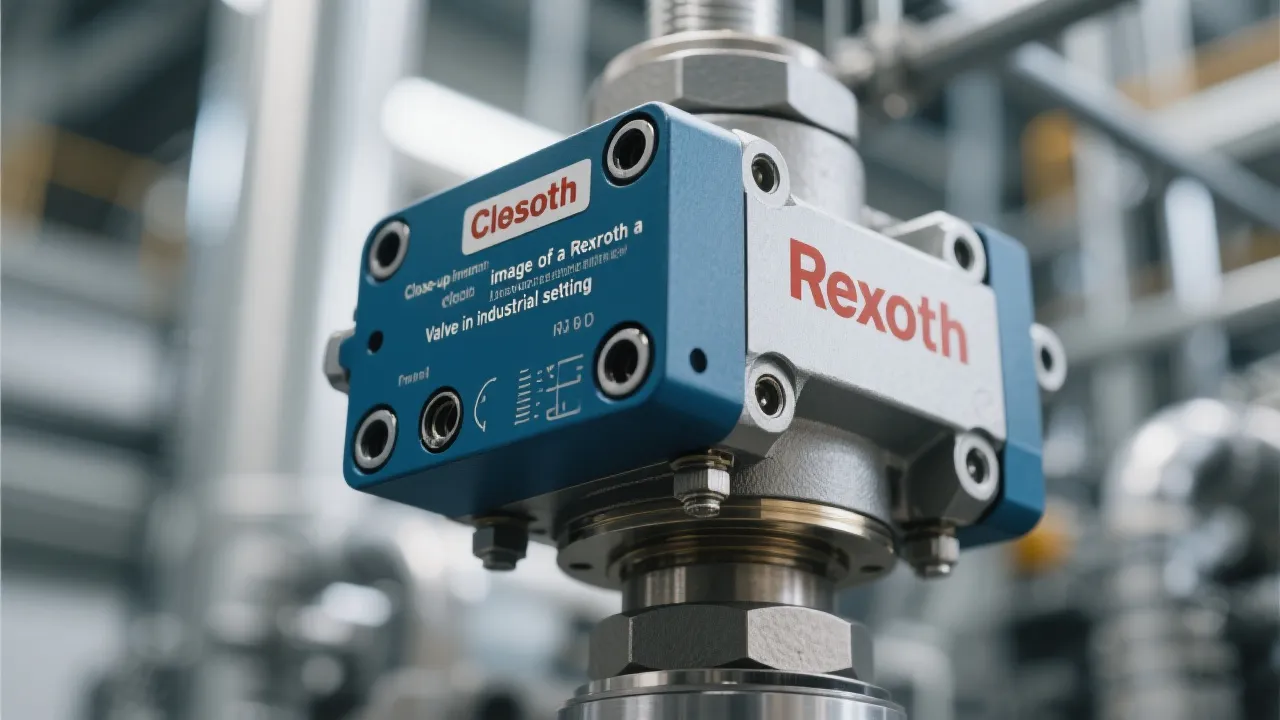
Understanding Rexroth Valve Systems
Rexroth Valves are quintessential components in various industrial applications, known for their precision and reliability. These hydraulic, pneumatic, and electrohydraulic valves regulate fluid flow in machinery, ensuring optimal performance and safety. Understanding their functionality and benefits is crucial for industries seeking efficiency and sustainability in their operations.

Unveiling Thermo Fisher Chromatography
This article explores the pivotal role of Thermo Fisher Chromatography in modern analytical science. Chromatography is crucial for separating compounds within mixtures, making it indispensable in industries such as pharmaceuticals and environmental testing. Thermo Fisher Scientific stands out in this field for its innovative solutions, leading to improved accuracy and efficiency in research and development.

Understanding Corrosion Inhibitor Manufacturers
In today's industrial landscape, corrosion inhibitor manufacturers play a crucial role in safeguarding equipment and infrastructure against corrosive damage. These manufacturers provide specialized chemicals that prevent corrosion in various environments, including industries such as oil and gas, marine, and construction. Understanding their operations and offerings is essential for selecting the right supplier and maintaining asset longevity.
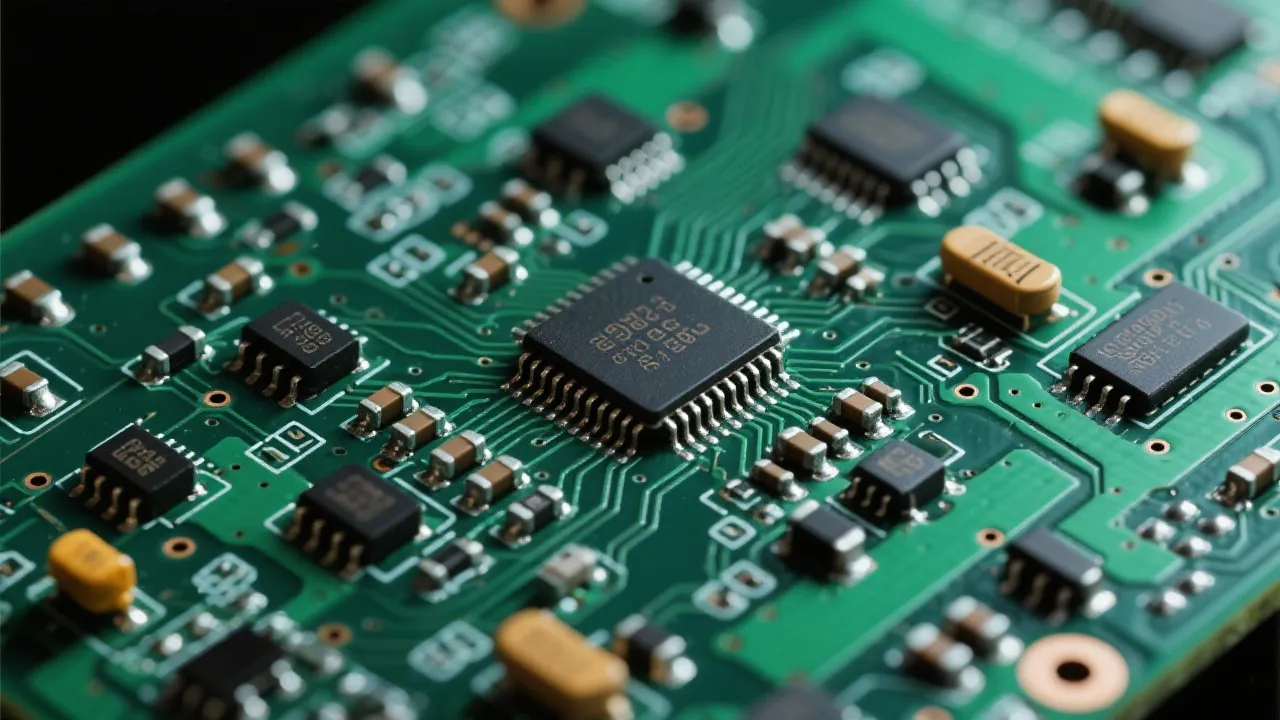
Analyzing Lm66100 Digikey Components
This article offers an in-depth analysis of the Lm66100 component available through Digikey, a renowned distributor of electronic components. The Lm66100, a load switch, is integral in industry applications, providing efficient power management. This piece explores its features, applications, and availability through Digikey, while offering a comprehensive guide for industry professionals seeking to optimize their electronic designs.

Leading Corrosion Inhibitor Suppliers
Corrosion inhibitor manufacturers play a crucial role in protecting materials from degradation. These companies specialize in creating chemical compounds that slow down or prevent the corrosive effects on various surfaces, especially metals. Understanding their production processes and solutions offered is vital for industries reliant on metal infrastructure.
