This guide explores the evolving role of cheques in modern finance, providing insights into their history, current significance, and digital transition. Dive into how major US banks offer bonuses for new checking accounts, enhancing the appeal of traditional banking while adapting to an online landscape. Though cheques remain relevant, digital payment methods are increasingly preferred.
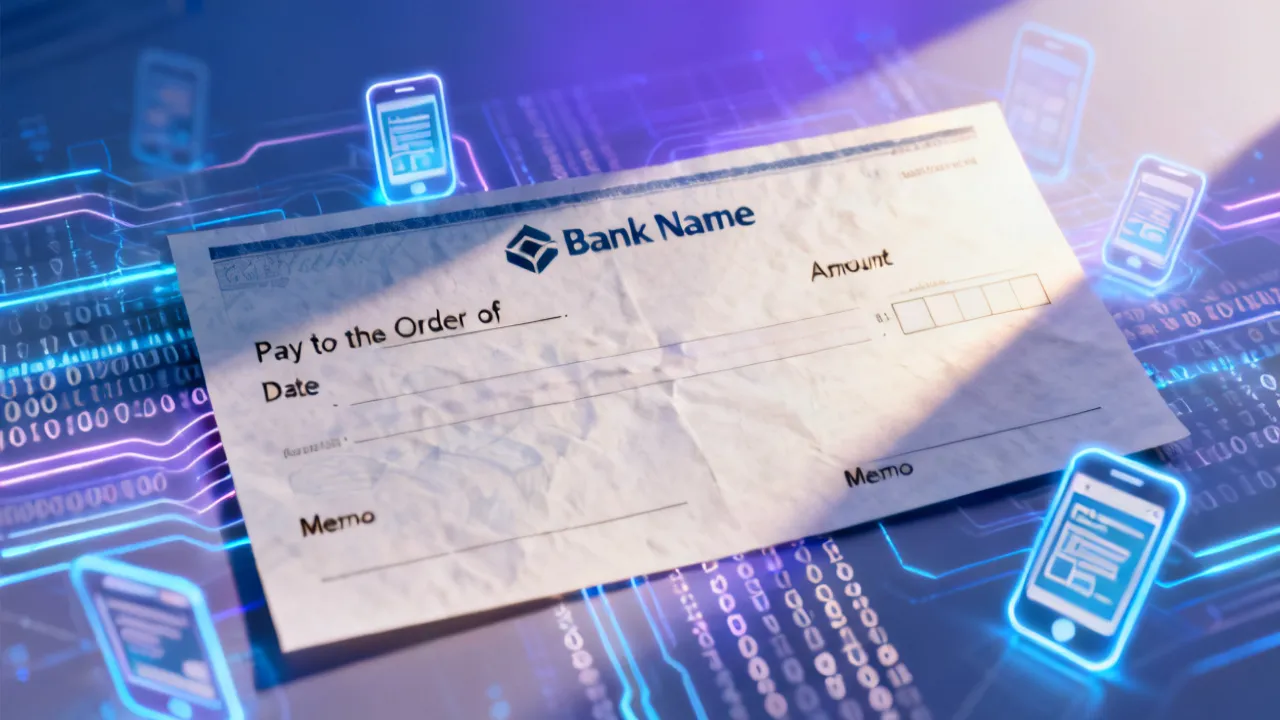
Cheques, once the backbone of banking transactions, have significantly evolved to meet the demands of modern finance. Although their prominence has waned with the advent of digital alternatives, they remain a crucial element in certain financial contexts. This article explores the history, significance, and adaptation of cheques in today's banking landscape.
The origin of cheques can be traced back to ancient civilizations where transactions were documented. In ancient Rome, for example, merchants would use written notes to instruct others to pay on their behalf. However, the modern cheque as we understand it began to take shape in the 17th century in England, amidst the burgeoning banking industry in London. Initially considered risky, these documents gradually gained popularity, thanks in part to the legal frameworks established to protect the users involved in cheque transactions.
By the 18th and 19th centuries, as banking institutions became more organized and reliable, the use of cheques exploded. They were handy tools that allowed individuals to settle debts without the need for cash, providing a secure and manageable method of payment. Fast forward to the 20th century, and cheques became a staple in both personal and business transactions worldwide. They were not only used for everyday purchases but also for significant payments such as property transactions, corporate acquisitions, and government expenses. However, the rise of electronic banking, particularly in the late 20th and early 21st centuries, led many to predict the end of cheques' reign as a primary financial instrument.
Despite these forecasts, cheques persist as a reliable financial instrument in specific circumstances, such as transactions between businesses, estate settlements, and even some forms of government disbursements. Their enduring presence showcases a remarkable adaptability, making them still relevant today.
While digital payment methods such as online transfers and mobile payments dominate the financial market, cheques still play an essential role. Their effectiveness for certain types of transactions cannot be overlooked. For instance, cheques are ideal for large transactions where electronic payment limits may pose a challenge. They can also serve as a reliable paper trail, which is favored in situations that require verification and documentation.
Moreover, the digital transition of banking has led to innovations that keep cheques relevant. Banks now offer features such as electronically clearing checks, which means that a cheque can be processed faster than before. With online banking applications, customers can also deposit cheques digitally, a process involving taking a photo of the cheque with a mobile device. This enhancement improves convenience significantly and alleviates some of the time and physical barriers associated with traditional cheque deposits.
Additionally, businesses continue to use cheques for payroll purposes because they are easier to manage in terms of record-keeping. Employees who may not have regular access to bank accounts or prefer to be paid through a tangible medium may find cheques to be a suitable method of receiving payment. This makes cheques particularly relevant in industries where cash transactions are commonplace or in areas with limited banking facilities.
In an effort to attract new customers and encourage engagement with traditional banking methods, several major US banks have embraced a hybrid model—a unique combination of traditional banking alongside digital services. This model not only supports the ongoing relevance of cheques but also integrates them into a broader banking practice that enhances customer convenience. One of the most compelling aspects of this approach is the enticing bonuses that banks offer to new customers who open checking accounts.
These bonuses typically come with specific conditions and can provide significant incentives for individuals considering switching banks or opening a new account. Here's a detailed look at how you can benefit from these offers and the variety available within the banking landscape:
| Bank | Account Type & Conditions | Bonus Amount |
|---|---|---|
| Bank of America | Personal Checking: Direct deposits of $2,000+ in 90 days | $200 |
| Chase Bank | Total Checking: One direct deposit within 90 days | $300 |
| Citibank | Regular Checking: Two direct deposits totaling $6,000+ within 90 days | $450 |
| Wells Fargo | Everyday Checking: $1,000 in direct deposits within 90 days | $300 |
| SoFi Bank | Checking and Savings: Deposit $1,000 for $50, $5,000 for $300 in direct deposits | $50-$300 |
| Capital One Bank | 360 Checking: Use promo code REWARD250 and make two $500+ direct deposits within 75 days | $250 |
For more details, please visit the official sites of these banks:
Securing these banking bonuses typically requires fulfilling specific requirements, such as making the requisite direct deposit or meeting other specified conditions. Each bank sets its own criteria, which can vary significantly. It’s imperative to meticulously review the terms and conditions for each offer to ensure you understand the requirements you need to meet. Here are several steps you can take to secure these lucrative bonuses:
By following these guidelines, you enhance your chances of securing the bonuses offered by various banks, maximizing your financial benefits from your new checking account.
In addition to their functional attributes, cheques are still valued in various sectors and scenarios that amplify their importance in finance:
Overall, while electronic payments provide speed and convenience, the cheque continues to serve critical roles in specific financial transactions that require formality, documentation, and trust. The depth of its integration within various industries reinforces its relevance and adaptability within modern finance.
Yes, but their usage is declining in favor of electronic transactions. Nevertheless, they still hold importance in certain sectors, especially where trust and documentation are essential.
Many banks offer mobile apps that allow for digital deposits via a photo capture feature. This process typically involves logging into your banking app, selecting the deposit option, photographing both the front and back of your cheque, and submitting it electronically.
Ensure all fields are filled correctly, including the date, payee information, and amount in words and figures. Avoid using erasable ink, and consider adding a memo for your reference. It's also wise to maintain a record of the cheque in your checkbook or online banking system, noting the cheque number, amount, and payee.
While the landscape of banking continues to tilt towards digital solutions, the cheque remains a notable participant, supporting those who prefer written transactions or require them for specific purposes. Their continuing relevance in real estate, charitable contributions, and formal business payments illustrates that cheques will persist as a fixture in the financial ecosystem, even as technology reshapes various industries.
As banks continue to adapt and offer incentives, it is crucial to stay informed about the benefits and requirements associated with new account offers. Understanding how to leverage banking bonuses effectively can lead to substantial financial advantages, whether through direct cash bonuses or through ongoing benefits that accompany a new checking account.
Investing time in learning about the role and utility of cheques in contemporary finance, alongside the available benefits from banking offers, paints a comprehensive picture of the current financial landscape. Scrutinizing the opportunities to gain both traditional and digital banking benefits empowers consumers to formulate strategies that enhance their economic well-being in a rapidly changing financial world.
Disclaimer: The above information is gathered from online resources, accurate as of October 2023. It is recommended to verify with bank official websites or customer service representatives to accommodate regional differences and ensure up-to-date information, as some offers may be region-specific or subject to change.
Striking the Perfect Balance: Navigating Premiums and Out-of-Pocket Expenses in Senior Insurance Plans

Explore the Tranquil Bliss of Idyllic Rural Retreats

How to Make Lasting Memories at Disneyland Attractions

Affordable Phones and Plans for Seniors

Affordable Full Mouth Dental Implants Near You

Unlock the Top Kept Secrets to Finding Your Ideal Dentist for Flawless Dental Implant Results!

Discovering Springdale Estates

Unveiling RS Sul Telecom Services

The Guide to Car Trading


Leveraging High-Interest CDs for Optimized Investment Returns
Certificates of Deposit (CDs) are commonly viewed as conservative investment vehicles, offering fixed interest over a specified term with principal protection. Although they may not provide the most eye-catching returns compared to stocks or other volatile assets, CDs can indeed play a crucial role in a diversified portfolio aimed at achieving enhanced returns. Here are ways to utilize CD investment strategies to maximize your financial outcomes.

How to Take Advantage of Debt Consolidation Loans: Key Strategies
Taking advantage of debt consolidation loans requires careful planning and disciplined execution. Below are key strategies to ensure that a debt consolidation loan works effectively for you and helps you move towards a stronger financial position:
Maximizing Your Online Home Equity Loan Experience
Homeownership comes with a myriad of financial possibilities, one of which is the ability to tap into your property’s equity. A home equity loan can be a beneficial financial tool, allowing you to leverage the value of your home for various needs such as home improvements, debt consolidation, educational expenses, or other significant purchases. In recent years, securing a home equity loan online has become increasingly popular due to its convenience, speed, and potential cost savings. Here’s how you can maximize your online home equity loan experience:
Understanding Debt Consolidation Loans: Weighing Advantages and Disadvantages
In an economy that often relies on credit, many individuals find themselves managing multiple debts. From credit card balances and car loans to student debt and personal loans, keeping track of various obligations can become overwhelming. Debt consolidation loans emerge as a solution for some, simplifying their financial landscape by combining multiple liabilities into a single loan. This consolidation extends beyond mere convenience; it can wield substantial impacts on one’s financial health. Here, we embark on an exploration of the pros and cons associated with debt consolidation loans, enabling individuals to make informed decisions based on their unique circumstances.

Essential Guide to Student Loans
Navigating the world of student loans can be a daunting task for many prospective and current students. Understanding the types of loans available, the application process, and the repayment strategies can significantly impact one's financial future. This guide aims to provide comprehensive and factual information about student loans, equipping readers with the knowledge needed to make informed decisions.
Maximize Property Value: Online Home Equity Loan Tips
Unlocking the financial potential of your home is a savvy move. A home equity loan could fund those enhancements to make your property shine.