This guide explores the intricacies of payment processing systems, integral to modern banking and e-commerce. These systems facilitate seamless monetary transactions, connecting consumers and businesses with financial institutions to enable secure exchanges. Learn about their components, functionality, and how they benefit both individual users and enterprises.
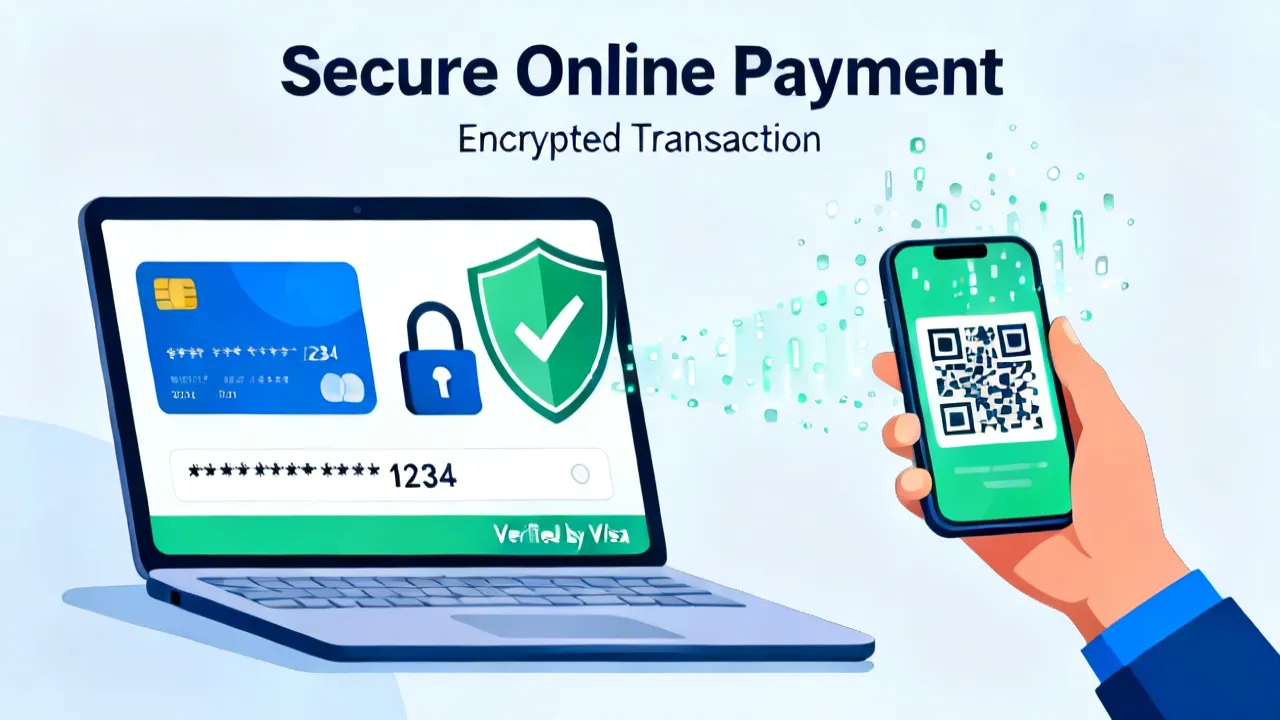
The ever-evolving landscape of finance is heavily reliant on the efficacy of payment processing systems. These systems serve as the backbone of digital transactions, ensuring that money moves smoothly between consumers, businesses, and financial institutions. With the rise of online banking and e-commerce, understanding these systems is more crucial than ever. As the world becomes increasingly digital, payment processing systems play a significant role in the interface between technology and financial services. They facilitate a range of activities from simple peer-to-peer payments to complex business transactions involving multiple currencies and regulatory compliance.
Historically, payment processing began with cash transactions and evolved through the introduction of checks, credit cards, and more recently, digital payments. In the early 20th century, the use of paper checks became widespread, leading to the establishment of clearinghouses to streamline the process. The credit card era, which took off in the 1950s, fundamentally changed consumer behavior and business operations by allowing for immediate credit. Today, with the advent of technology, payment processing systems are continually evolving, incorporating mobile payments, digital wallets, and cryptocurrency transactions into their frameworks, paving the way for a cashless society.
Payment processing systems comprise multiple components, each playing a pivotal role in facilitating seamless financial transactions. At the core are the payment gateways, which act as the interface between a customer and the merchant. A payment gateway securely transmits transaction data for processing, ensuring that sensitive information, such as credit card details, is encrypted and protected during transmission.
Furthermore, merchant accounts are essential as they hold funds until the transaction is approved by the issuing bank. These accounts allow businesses to receive payments directly into their bank accounts from credit or debit card purchases, enabling funds to be accessed almost immediately. Other critical components include payment processors, which handle the actual transactions by routing information between banks, and acquiring banks that work with merchants to facilitate payments through various channels.
In addition, the role of fraud detection systems has become increasingly significant within payment processing. These systems monitor transactions for unusual patterns and behaviors to prevent fraudulent activities, providing peace of mind for both merchants and consumers.
Payment gateways are integral to online payment processing, acting as the intermediary between consumers and merchants. With the rise of e-commerce, the demand for effective and secure gateways has grown significantly. They work by encrypting sensitive information provided by customers during the transaction process and transmitting it to the relevant financial institutions for authorization.
Payment gateways come in various forms, including hosted gateways, which redirect customers to an external site for payment processing, and integrated gateways, which allow customers to remain on the merchant's site throughout the transaction process. This flexibility ensures that businesses can cater to their customers' preferences while ensuring a secure and smooth transaction experience.
Moreover, with the proliferation of mobile devices, many gateways have adapted to provide mobile-specific features, facilitating transactions via apps or mobile-optimized web pages. This shift highlights the importance of versatility in payment processing solutions.
In the banking sector, these systems are crucial for managing and overseeing direct deposits, withdrawals, and other banking transactions. Leading U.S. banks offer various incentives for opening accounts, which are processed through these systems. For instance, Bank of America provides up to $200 in bonuses for new personal checking accounts when specific deposit criteria are met. These promotional offers are designed not only to attract new customer accounts but also to encourage consistent usage of banking services, which is facilitated through efficient payment processing systems.
As technology advances, banks are continually investing in improving their payment processing capabilities. They implement sophisticated fraud detection algorithms and utilize artificial intelligence to analyze transaction patterns, thereby enhancing security and improving customer experience. Furthermore, the integration of mobile banking applications allows consumers to make instant payments, check balances, and perform transactions remotely, showcasing how payment processing is adapting to meet the demands of modern banking.
Payment processing systems can be classified into several types, each serving a unique purpose and audience:
This diversification of payment processing systems allows businesses to select methods that best align with their operational model and their customers' preferences, enhancing overall satisfaction and efficiency.
Several major banks in the U.S. offer enticing promotions for new account holders, processed using their payment systems:
| Bank | Account Type | Bonus Condition and Amount |
|---|---|---|
| Bank of America | Personal Checking | $200 bonus with $2,000 in direct deposits within 90 days |
| Chase Bank | Total Checking | $300 bonus with any direct deposit within 90 days |
| Citibank | Regular Checking | $450 bonus for $6,000 in direct deposits within 90 days |
| Wells Fargo | Everyday Checking | $300 bonus with $1,000 in direct deposits within 90 days |
| SoFi Bank | Checking and Savings | $50-$300 bonus based on deposits of $1,000 or $5,000 |
| Capital One Bank | 360 Checking | $250 bonus with promo code, $500+ deposits twice in 75 days |
source: bank websites
To make the most out of these banking offers, follow these essential steps:
Being diligent with these steps can maximize your benefits while ensuring that you take full advantage of the offers laid out by the banks.
Despite the advancements in payment processing technology, several challenges persist:
Addressing these challenges involves a collaborative effort between banks, processors, and merchants, ensuring a secure and efficient ecosystem that benefits everyone involved.
Payment processing systems extend beyond mere transaction facilitation; they also encompass fraud detection and customer data security. Banks must implement robust systems that can adapt to evolving technological landscapes and consumer needs. With online banking becoming mainstream, consumers expect seamless transaction experiences. This has pushed banks to offer innovative solutions like instant payments and peer-to-peer transfer services.
Additionally, payment processing systems must comply with various regulatory requirements, including anti-money laundering statutes and Know Your Customer (KYC) mandates. The ability to verify customer identities and monitor transactions is critical for banks. Many banks leverage advanced analytics and machine learning technologies to assess transaction behaviors, reinforcing security protocols while simultaneously ensuring compliance.
Moreover, the rise of open banking initiatives has transformed the landscape further, allowing banks to offer more personalized services. Open banking enables third-party developers to access customer data with permission, which fosters competition and innovation, allowing for personalized financial management applications that enhance user experiences.
The future of payment processing is likely to be defined by blockchain technology, offering decentralized methods to transfer funds, enhancing transparency and security. Blockchain's distributed ledger technology ensures that every transaction is recorded and secure, drastically reducing the chances of fraud.
Additionally, the advent of AI and machine learning may further optimize transaction processing, reducing errors and increasing speed. AI-powered systems can identify and flag suspicious transactions in real time, enabling a swift response to potential threats. Machine learning algorithms assess vast datasets to predict customer behaviors, which can help banks tailor their offerings and marketing strategies effectively.
The integration of biometric authentication methods, such as fingerprint or facial recognition, will likely bring about a new era in security for payment systems. Such advancements can significantly reduce fraud while enhancing user convenience. As customers demand frictionless interactions, banks and processors will need to find ways to improve user experiences further by streamlining payment processing interfaces.
Moreover, environmental sustainability is poised to influence payment processing systems in the future. As consumers become more environmentally conscious, payment systems that promote sustainable practices, such as eliminating paper receipts and integrating carbon offsetting, will gain popularity.
In the globalized economy, international payment processing systems play a vital role in facilitating cross-border trades and transactions. Different countries have varying regulations, currencies, and banking practices influencing payment processing methods.
International payment processors typically charge high fees for currency conversion and may have longer transaction times compared to domestic processing. However, innovations in technology, such as blockchain and digital currencies, are beginning to change this landscape. Services like Wise (formerly TransferWise) and PayPal offer more innovative ways to send money internationally with lower fees and faster processing times.
In addition, payment processors must enable currency conversions, taking into account exchange rate fluctuations. If a merchant operates in multiple countries, they often rely on payment gateways that can seamlessly facilitate multi-currency transactions while offering transparency regarding fees and conversion rates.
Moreover, understanding compliance and anti-fraud measures across different jurisdictions is critical for businesses engaging in international sales. Adapting to regional regulations and ensuring secure transactions is paramount to maintaining trust and credibility in the global market.
What is a payment processing system?
It's a framework that facilitates the transfer of funds from a customer's account to a business's account, ensuring security and reliability.
Are online payment systems secure?
Yes, many systems employ encryption and other security measures to protect user data. However, users should also take precautions such as using strong passwords and monitoring transactions for suspicious activity.
Can payment processing systems handle high transaction volumes?
Modern systems are designed to scale, handling vast numbers of transactions efficiently. However, the performance may depend on the underlying infrastructure and service provider utilized by the business.
What should businesses look for in a payment processing system?
Businesses should consider factors such as transaction fees, processing speed, ease of integration with existing systems, customer support, and the security features offered by the payment processor.
How do payment processors handle disputes?
Payment processors typically have measures in place for handling disputes, involving chargeback processes where customers can report unauthorized transactions. Each processor may have different procedures in place that must be followed to resolve disputes.
In conclusion, payment processing systems are integral to both online and offline banking activities, offering convenience and efficiency for all involved parties. With the rise of digital and mobile banking, the importance of understanding how these systems operate cannot be overstated. As consumers continue to seek faster and more secure methods of conducting transactions, banks and payment processors must evolve accordingly to maintain competitive advantages.
However, potential account holders should verify the promotional offers with the respective banks. The information presented here is accurate as of October 2023 and may vary by region or over time. Always refer to the official bank websites or contact their customer service for the latest updates regarding account openings, bonuses, and processes.
Reference Links:
Bank of America Checking
Chase Bank Checking
Citibank Checking
Wells Fargo Checking
SoFi Banking
Capital One Checking
Striking the Perfect Balance: Navigating Premiums and Out-of-Pocket Expenses in Senior Insurance Plans

Explore the Tranquil Bliss of Idyllic Rural Retreats

How to Make Lasting Memories at Disneyland Attractions

Affordable Phones and Plans for Seniors

Affordable Full Mouth Dental Implants Near You

Unlock the Top Kept Secrets to Finding Your Ideal Dentist for Flawless Dental Implant Results!

Discovering Springdale Estates

Unveiling RS Sul Telecom Services

The Guide to Car Trading


Leveraging High-Interest CDs for Optimized Investment Returns
Certificates of Deposit (CDs) are commonly viewed as conservative investment vehicles, offering fixed interest over a specified term with principal protection. Although they may not provide the most eye-catching returns compared to stocks or other volatile assets, CDs can indeed play a crucial role in a diversified portfolio aimed at achieving enhanced returns. Here are ways to utilize CD investment strategies to maximize your financial outcomes.

How to Take Advantage of Debt Consolidation Loans: Key Strategies
Taking advantage of debt consolidation loans requires careful planning and disciplined execution. Below are key strategies to ensure that a debt consolidation loan works effectively for you and helps you move towards a stronger financial position:
Maximizing Your Online Home Equity Loan Experience
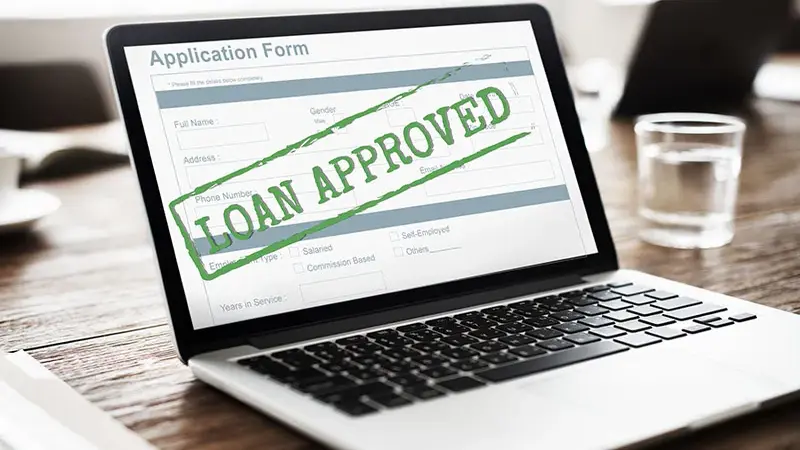
Homeownership comes with a myriad of financial possibilities, one of which is the ability to tap into your property’s equity. A home equity loan can be a beneficial financial tool, allowing you to leverage the value of your home for various needs such as home improvements, debt consolidation, educational expenses, or other significant purchases. In recent years, securing a home equity loan online has become increasingly popular due to its convenience, speed, and potential cost savings. Here’s how you can maximize your online home equity loan experience:
Understanding Debt Consolidation Loans: Weighing Advantages and Disadvantages
In an economy that often relies on credit, many individuals find themselves managing multiple debts. From credit card balances and car loans to student debt and personal loans, keeping track of various obligations can become overwhelming. Debt consolidation loans emerge as a solution for some, simplifying their financial landscape by combining multiple liabilities into a single loan. This consolidation extends beyond mere convenience; it can wield substantial impacts on one’s financial health. Here, we embark on an exploration of the pros and cons associated with debt consolidation loans, enabling individuals to make informed decisions based on their unique circumstances.

Essential Guide to Student Loans
Navigating the world of student loans can be a daunting task for many prospective and current students. Understanding the types of loans available, the application process, and the repayment strategies can significantly impact one's financial future. This guide aims to provide comprehensive and factual information about student loans, equipping readers with the knowledge needed to make informed decisions.
Maximize Property Value: Online Home Equity Loan Tips
Unlocking the financial potential of your home is a savvy move. A home equity loan could fund those enhancements to make your property shine.
