Peony ants are a natural phenomenon where ants and peonies engage in a mutualistic relationship, enchanting both nature enthusiasts and gardeners. This article explores the dynamics between peonies and ants, examining how they symbiotically interact and the various factors influencing this intriguing partnership. Through detailed insights, readers gain a thorough understanding of the roles played by both species within this delicate ecological balance.
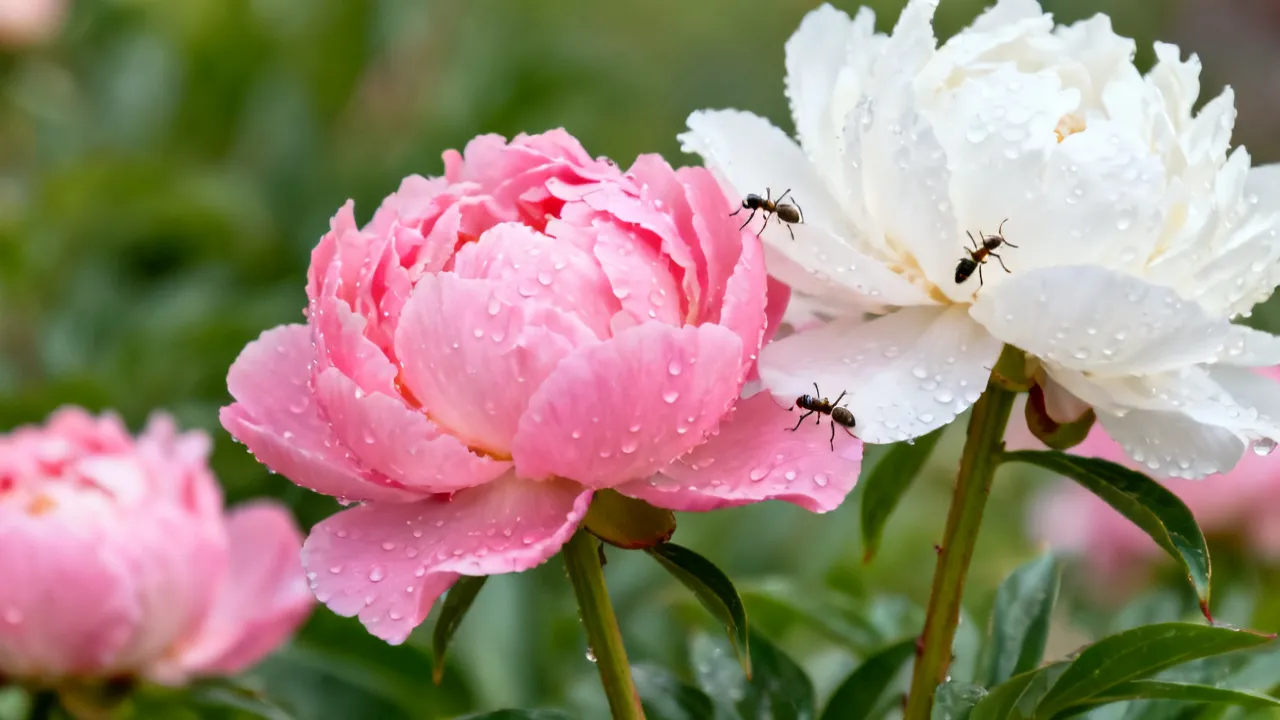
The symbiotic relationship between peonies and ants is a fascinating example of nature's intricate ecological interactions. In gardens worldwide, observers often note the presence of ants on peony buds, a behavior that sparks curiosity and wonder. Although it may appear concerning at first, this interaction is mutually beneficial and essential for peonies as they mature and bloom. Exploring this relationship reveals the complex dynamics of plant-insect interactions that significantly influence not only individual plant health but the overall ecosystem within gardens.
The connection between peonies and ants is primarily driven by the peony's need to protect its young buds. Peonies produce a sticky, sugary substance called nectar, rich in carbohydrates and amino acids. This delightful nectar serves as an attractive food source for ants, which are naturally drawn to sugary substances. In return for this nourishment, ants provide a critical service to peonies by patrolling the buds and safeguarding them from potential herbivores and predators, acting as guardians until the flowers fully emerge.
This protective mechanism is crucial during the budding phase when the peony's young petals are very vulnerable. Ants, in their quest for nectar, patrol the buds and fend off any harmful insects that may threaten to damage the delicate flowers. This behavior includes repelling aphids, which are known sap-sucking pests that can severely weaken plants. The payoff for both species in this symbiotic dance is a vivid demonstration of ecological cooperation, showcasing how intertwined the lives of different species can become in their quest for survival.
In addition to their protective services for peonies, ants play a crucial role in broader ecosystem dynamics. Their activity helps aerate the soil as they tunnel and forage, enhancing soil quality and promoting healthy root growth for plants. This aeration facilitates better water penetration and nutrient distribution in the soil, which is particularly beneficial for peonies as they seek rich soil conditions for optimal growth.
Moreover, ants contribute to the decomposition process, aiding in nutrient cycling, a vital component for maintaining a healthy ecosystem. By breaking down organic matter, ants help release essential nutrients back into the soil, supporting plant life in their vicinity. In this context, the relationship between peonies and ants can be viewed as part of a larger ecological framework where each organism plays a vital role in supporting life within a garden or natural environment.
From a horticultural perspective, experts emphasize that the presence of ants on peonies is neither harmful nor indicative of pest infestation. Instead, it is a natural and expected occurrence. Gardeners are encouraged to allow this natural interaction to unfold without interference because it supports both healthy bud development and the garden's broader ecosystem. In many cases, gardeners have observed that peonies with an active ant presence tend to have fewer issues with pests compared to those without ants.
According to recent research published in horticultural journals, peonies treated with insecticides or pesticides may disrupt the beneficial ant-peony relationship. This can lead to decreased pollination success and reduced natural protection against pests. The use of chemicals not only affects ants but can also disrupt entire food webs, leading to imbalances and detrimental effects on garden health. Thus, organic gardening practices are encouraged, not only for the specific benefits observed in the peony-ant relationship but for the overall health of the garden ecosystem.
| Element | Peony Benefits | Ant Benefits |
|---|---|---|
| Interaction | Protection from predators | Access to nectar |
| Ecological Role | Healthy flower development | Involvement in broader food web |
Gardeners seeking to cultivate robust and vibrant peonies should consider several factors to optimize the relationship with ants. Planting peonies in well-drained soil with ample sunlight encourages strong growth while strategically placing them near ant habitats can naturally attract these beneficial insects. A variety of native plants can serve as a supplementary food source for ants, ensuring that they remain present throughout the growing season.
Additionally, avoiding the use of non-organic materials in gardens ensures that ants remain undisturbed. By promoting a chemical-free environment, gardeners can sustain the delicate balance between peonies and their ant allies. This, in turn, leads to a garden that thrives under natural conditions. Incorporating practices such as companion planting can further enhance the coexistence of various species, creating a vibrant ecosystem where each plant and insect plays a specific role in supporting the health of the other.
To truly benefit from the mutually beneficial relationship between peonies and ants, it’s essential to embrace the harmony of nature by understanding the larger interconnected systems at play. In many communities, such awareness can lead to a cultural shift towards organic gardening, where natural patterns are respected rather than disrupted. This practice not only benefits individual gardeners but has far-reaching implications for biodiversity and ecosystem health.
Biodiversity, the variety and variability of life within an ecosystem, plays a significant role in the resilience and stability of gardens. When gardens maintain a diverse array of plants, insects, and microorganisms, they create a self-sustaining environment that can adapt to changes and resist pests and diseases. Peonies, when grown in conjunction with other species, can thrive alongside a rich microbial environment that enhances their growth, promotes pollination, and fosters a robust ecosystem.
In a biodiverse garden, ants are just one of many components that work together to create balance. Other beneficial insects, such as ladybugs and lacewings, feed on pests, while pollinators like bees ensure that flowers are fertilized and can produce seeds. This diversity not only aids peony health but stresses the importance of protecting all forms of life that contribute to garden ecosystems.
To cultivate a healthy garden ecosystem, integrative gardening practices should be adopted. Here are some strategies to enhance the relationship between peonies, ants, and other garden inhabitants:
Gardening can be more than just a pursuit for beauty; it can be a philosophical endeavor that connects us to the cycle of life itself. The relationship between peonies and ants can serve as a microcosm for larger themes of interdependence found throughout nature. By understanding and respecting these intricate dynamics, we cultivate not only beautiful blooms but also a greater appreciation for life in all its forms.
Peonies have held cultural significance across various societies throughout history. Traditionally, these flowers symbolize prosperity and good fortune in many cultures, often regarded as an auspicious flower in weddings and celebrations. Their enchanting blooms and delightful fragrance leave a lasting impression, revered for their beauty and aesthetic appeal. This cultural appreciation extends beyond their appearance, as peonies have also been used in traditional medicine practices in various cultures.
In Chinese culture, for instance, the peony is known as the "king of flowers" and is associated with wealth, good luck, and honor. Its prominence in art and literature speaks to its deep-rooted significance. Understanding this cultural context can enrich one’s gardening experience, creating a deeper connection between the gardener, the plants, and the surrounding ecosystem.
With climate change and shifting environmental factors, future gardening practices will likely need to adapt continually. Embracing ecological garden practices that recognize and enhance relationships like those between peonies and ants may prove vital for sustaining healthy ecosystems in a changing world. As gardeners become more aware of the impacts of their practices, they can take proactive steps to create resilient environments capable of thriving despite challenges.
In conclusion, the mutualistic relationship between peonies and ants exemplifies nature's balance, where each species benefits and thrives. By understanding their interaction, gardeners can cultivate healthier peonies, contributing positively to biodiversity. Embracing natural garden ecosystems not only enhances personal gardening practices but also supports broader environmental well-being.
Striking the Perfect Balance: Navigating Premiums and Out-of-Pocket Expenses in Senior Insurance Plans

Explore the Tranquil Bliss of Idyllic Rural Retreats

How to Make Lasting Memories at Disneyland Attractions

4rkojvsx Technology: Industry Insights and Buying Guide

Affordable Phones and Plans for Seniors

Affordable Full Mouth Dental Implants Near You

Unlock the Top Kept Secrets to Finding Your Ideal Dentist for Flawless Dental Implant Results!

Discovering Springdale Estates

Unveiling RS Sul Telecom Services

Striking the Perfect Balance: Navigating Premiums and Out-of-Pocket Expenses in Senior Insurance Plans
Finding an optimal mix of insurance premiums and direct medical costs is crucial for effective healthcare budgeting. This discussion will delve into tactics to achieve a balance that aligns with your finances.
4rkojvsx Technology: Industry Insights and Buying Guide
This guide explains 4rkojvsx with an evidence-based, step-by-step approach to evaluating suppliers, pricing, and requirements before purchasing. Objectively, the term points to a technical category where compatibility, quality controls, and documentation matter as much as the nominal price. Readers will also find a practical comparison table, conditions, and targeted FAQs.
Unlock the Top Kept Secrets to Finding Your Ideal Dentist for Flawless Dental Implant Results!
Selecting an adept dentist is critical for ensuring the efficacy and your satisfaction during a dental implant procedure. This in-depth guide is designed to assist you in finding a dental expert who meets your personal requirements, guaranteeing that your path to dental implant success is seamless and fruitful.

Protect Your Perfect Smile: Master the Art of Defending Your Teeth Against Acid Attacks
Though they may tantalize the palate and invigorate the senses, foods and drinks with high acid content are a double-edged sword with regard to oral wellness. Continual exposure to these substances progressively strips away the protective enamel from our teeth, which can lead to increased sensitivity, changes in coloration, and a variety of other dental complications. This composition offers insight into relishing these zesty favorites while safeguarding your teeth from damage.

Comprehensive Insight into Boob Enhancement
Boob enhancement is a cosmetic procedure aimed at augmenting the size and improving the shape of breasts for aesthetic purposes. With the evolution of medical procedures, this enhancement has become more sophisticated, offering various options to cater to individual preferences and needs. This detailed guide explores the intricacies of boob enhancement, tackling myths, benefits, and expert advice to help potential candidates make informed decisions.
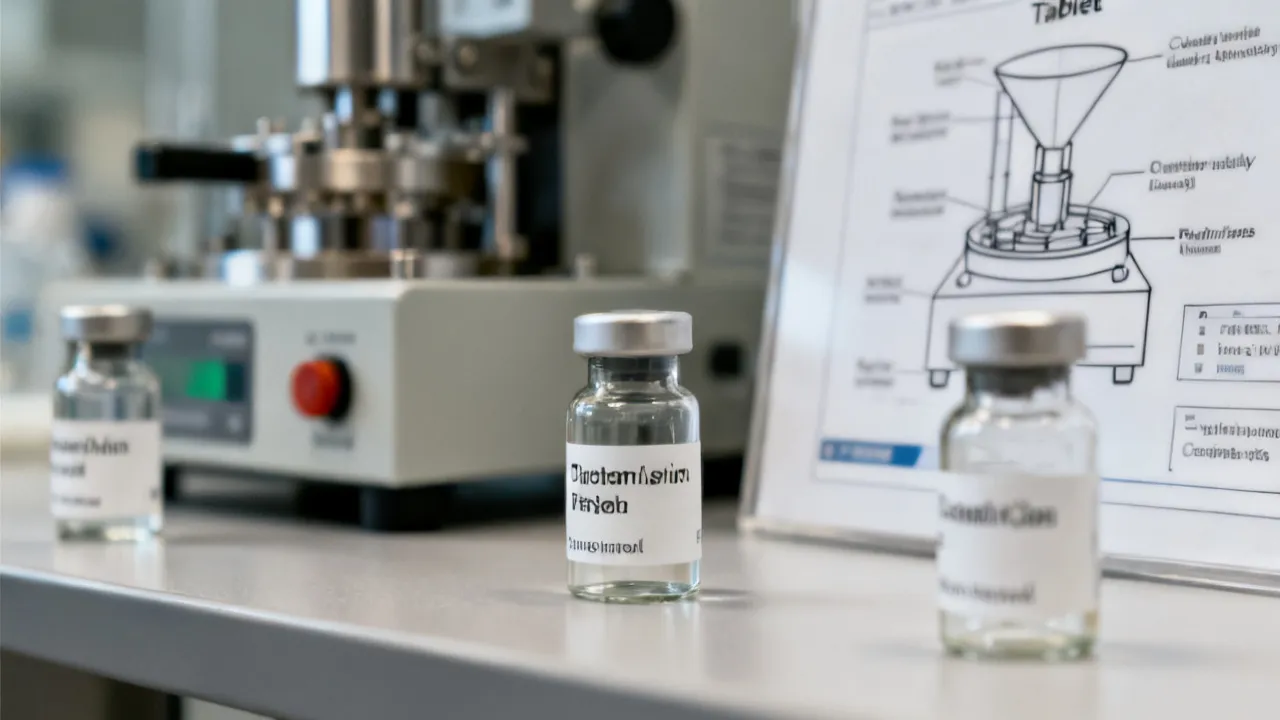
Pmoc Abrava: Supply, Pricing, and Quality Guide
This guide explains what “Pmoc Abrava” is used for in professional settings and how suppliers evaluate quality and consistency. It offers an objective overview of common procurement considerations, documentation, and verification practices. Readers will also find a comparison-style supplement section and practical requirements before choosing a source.
