This guide explains Passiflora Vencido—what it means, why expiration matters, and how to assess safety and effectiveness objectively. It provides background on passionflower-based products, typical quality risks after storage, and practical decision criteria. Readers will learn what to check, when to avoid use, and how to choose appropriate alternatives from reputable suppliers.
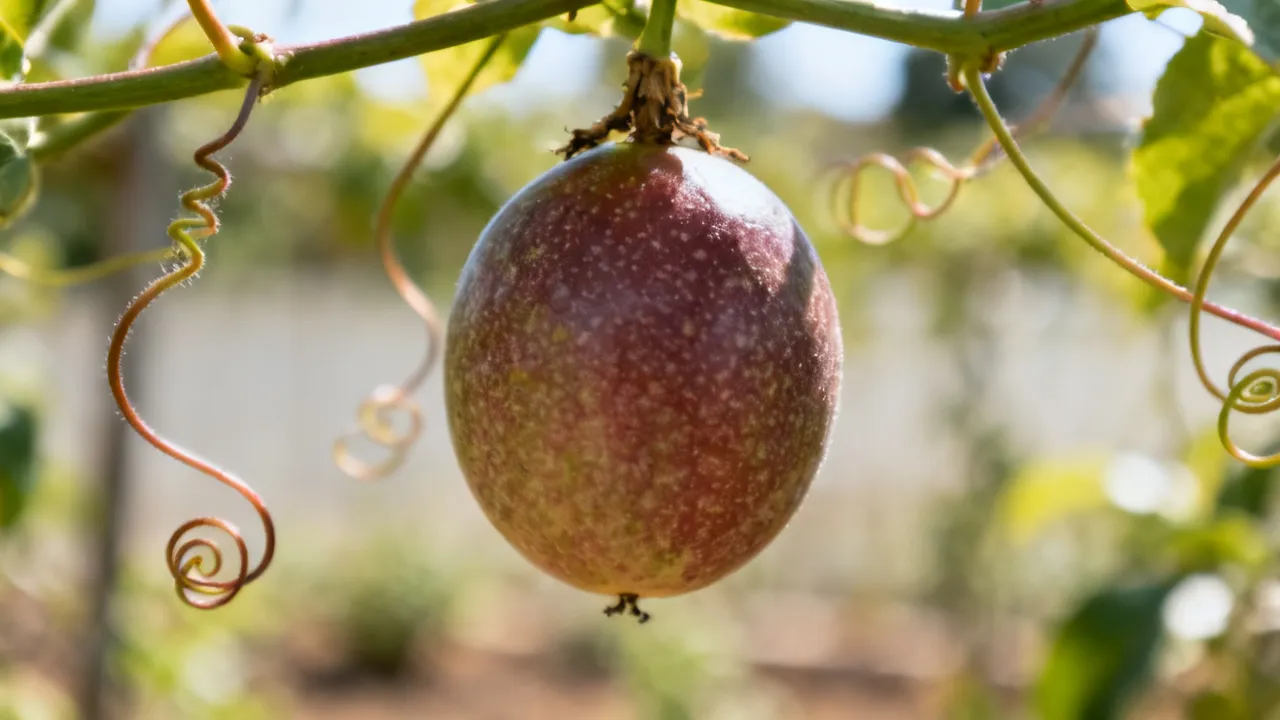
When you encounter Passiflora Vencido, the key issue is not “whether it still works,” but whether it is safe to use. “Vencido” generally refers to an expired product—commonly a herbal preparation, supplement, or packaged passionflower-related item whose labeled quality window has ended. The expert stance is straightforward: after expiration, chemical composition, microbial risk (for some preparations), and labeling accuracy can no longer be reliably assumed. In practice, the safest approach is to avoid internal use if you cannot confirm storage conditions, packaging integrity, and manufacturer guidance.
It helps to frame the problem precisely. “Expired” is not the same as “tainted beyond all hope,” but it is also not the same as “guaranteed equivalent.” Across supplements and herbal products, expiration dates are chosen because manufacturers conduct stability and quality validation under defined storage conditions. Once you cross the labeled date—especially if storage conditions were less than ideal—the manufacturer’s ability to assure consistent identity, potency, and safety decreases. Even when a product appears normal, the variables that could have changed are largely invisible without laboratory testing.
Therefore, the primary safety principle is: optimize quality inputs before you change outcomes. If the goal is relaxation or sleep support, you generally want to start with a product whose composition is known and whose contamination risk is within the manufacturer’s expectations. When a product is Passiflora Vencido, those expectations may no longer apply.
Passionflower (genus Passiflora) is used in many products aimed at relaxation or sleep support. However, outcomes depend heavily on standardization (what active constituents are present and in what amounts), the type of product (tea blend, tincture, extract, capsule), and storage (heat, humidity, light, and time). Expired items may still look and smell “normal,” yet potency can drift and—depending on formulation—contaminant risk can rise.
To understand why expiration can matter, consider what must remain stable for a supplement to be both effective and safe. At minimum, the product needs to retain:
Expiration interacts with all of these factors. For example:
From an industry-quality perspective, expiration dates exist because manufacturers validate quality over time under labeled storage conditions. If the product has been stored outside those conditions, the expiration date becomes less informative, and the “acceptable” quality threshold may be reached earlier than expected.
Importantly, passionflower is not a “single-molecule” product. Different Passiflora species, different parts of the plant, and different extraction techniques can lead to very different chemical profiles. That means stability issues are not uniform. Some preparations may degrade faster than others, and some may retain marker compounds longer even if other constituents drift.
Use this checklist to make a defensible, objective decision. If any point fails, prioritize avoidance or professional guidance. This checklist is designed to reduce subjective thinking like “it seems fine” and replace it with specific, safety-relevant observations.
If you are dealing with Passiflora Vencido that is expired and stored in uncertain conditions, the very conservative choice is to stop use and replace it with a fresh, properly stored product. The reason for conservatism is not fear—it’s uncertainty management. When you can’t confirm the conditions that underpin the manufacturer’s shelf-life claim, you cannot re-create that guarantee at home.
Also, it’s worth recognizing that “expired” is sometimes closer than it appears. Products might have been purchased months before expiration, stored in a hot place, or exposed to damp air after opening. When you combine time, packaging exposure, and your inability to verify stability, the practical risk increases.
Many shoppers ask about price and supplier reliability when they find an expired item. The expert answer: price alone should not decide safety. The critical criteria are traceability and quality systems. A “reputable” supplier isn’t just a brand with a website; it is a company (or distribution channel) that can explain how the product is manufactured, tested, stored, and tracked.
When sourcing passionflower products, prioritize suppliers who provide:
Even without naming a specific vendor, your goal as a consumer is to reduce uncertainty. A supplier with strong documentation helps you replace the guesswork that comes with Passiflora Vencido.
In practice, “reputable” often looks like the following behaviors and artifacts:
If you are choosing between a bargain product with minimal disclosure and a slightly more expensive product with clear testing and traceability, the latter typically offers better risk management.
If your intention was relaxation or sleep support, consider alternatives that reduce risk rather than testing the old stock. The goal is to achieve the outcome you want—calmer evenings, improved sleep onset, reduced stress—without introducing avoidable uncertainty.
Depending on your needs and local availability, you may choose:
This approach aligns with a professional principle: optimize quality inputs before changing outcomes. If an expired item is underperforming, replacing it with a fresh product is usually the more rational troubleshooting path than continuing to experiment with unknown potency.
Moreover, “relaxation” is often multifactorial. Many people focus on the supplement but overlook the environment and behavioral inputs that strongly influence sleep—caffeine timing, screen exposure, temperature, bedtime schedule consistency, exercise timing, and stress patterns. For many individuals, these changes can reduce the need to rely on supplemental agents at all, or reduce the dose needed.
If you are looking for non-supplement alternatives, practical examples include:
While these are not replacements for medical guidance in all cases, they illustrate the broader concept: when a supplement’s quality is uncertain (as with Passiflora Vencido), you can often redirect effort toward controllable variables that improve sleep reliability.
Because preparation types vary, there is no universal “yes/no.” Below is a decision-oriented comparison table that reflects common quality principles used across herbal products. It’s important to understand that this table describes risk principles, not a guarantee of safety. When in doubt—especially for internal ingestion—the conservative approach is to avoid.
| Situation | What to check | Typical expert recommendation |
|---|---|---|
| Expired but sealed, stored properly, no sensory issues | Packaging integrity, storage temperature/humidity history, no visible change | Prefer replacement; if you still consider use, consult labeling/manufacturer guidance first |
| Expired with uncertain storage (heat, humidity, open container) | Moisture exposure, clumping, odor change | Do not use; replace to reduce contamination and potency uncertainty |
| Expired and shows mold/discoloration | Visible growth, off-odors, unusual texture | Avoid and discard; do not attempt to “save” the product |
| Expired tincture/liquid extract | Leakage, cloudiness beyond expected, container seal condition | Avoid unless manufacturer explicitly states continued usability under your conditions |
| Expired product used by sensitive populations | Pregnancy, breastfeeding, pediatric use, complex medication regimens | Avoid; seek professional guidance before using any passionflower preparation |
In everyday terms, the “acceptable” scenarios still tend to favor replacement. Even when the product is sealed and stored properly, expiration means you’re beyond the period the manufacturer validated. Experts may consider the probability of harm lower in some cases, but the practical decision often remains: it is easier and safer to replace than to gamble.
Also, consider how people typically use passionflower. Many use it close to bedtime, when they want predictable effects and when their ability to respond to adverse reactions (dizziness, sedation) is reduced. That increases the importance of using a product whose composition is consistent.
The importance of expiration dates and safe storage is consistent with broader food and supplement quality frameworks. Regulatory authorities and quality standards emphasize that safety and identity can change over time, especially when storage conditions are not met. For background, the following widely cited references provide context on expiration labeling, quality control principles, and contamination risks in supplements:
While the legal and regulatory landscape differs by country and by whether a product is classified as a dietary supplement, herbal medicine, or traditional product, the quality principles tend to converge: shelf-life is not just a number—it is a validated stability window under certain conditions. When that window is exceeded (and especially when conditions are not known), uncertainty increases.
Another key background point is that “expiration labeling” addresses consumer safety in aggregate. It does not account for every individual variable like how a particular person stored the product, whether moisture entered after opening, or whether a particular batch had variability. That is why the conservative, safety-first approach is recommended for Passiflora Vencido, particularly for internal ingestion.
Note: This article does not provide medical advice. If you have a medical condition or are taking medications, consult a qualified healthcare professional before using passionflower products.
Use this structured approach to protect yourself while making a rational decision. The goal is to gather the information you can, remove the guesswork, and then make the safest choice aligned with your health context.
If you already took a dose of Passiflora Vencido, don’t panic; instead, focus on harm reduction. Stop further use and monitor for any symptoms. If you experience significant adverse effects or allergic-type reactions, seek medical care. If symptoms are mild, consult a healthcare professional or local poison information resources, especially if the product was known to be stored poorly.
In all cases, avoid the temptation to “finish the box” or “use one more time.” That approach can convert a manageable uncertainty into a larger one, particularly if the product’s composition degraded or contamination occurred.
To prevent a repeat scenario with Passiflora Vencido, ensure the replacement purchase meets practical quality conditions. Prevention is often easier than correction. Focus on storage readiness: can you store it properly immediately after purchase, and does the product come from a supplier that supports stable quality?
It can also help to adopt a “quality management routine” at home:
For many consumers, the hidden hazard is not the supplement itself but storage practices after purchase. Humidity, heat spikes from cooking, and repeated opening can quietly reduce quality long before “EXP.”
While passionflower products can vary widely, it is reasonable to say that expiration periods are not arbitrary. Quality drift can happen through:
This matters because consumers interpret “it still looks okay” as “it’s still effective.” In quality systems, appearance is not a validated indicator of potency or microbial safety. That gap is where Passiflora Vencido becomes a risk: you may not be able to measure what changed, only that time has passed.
Potency drift can also lead to inconsistent effects. For instance, one dose might feel mild, prompting higher dosing. If a product’s potency is unpredictable after expiration, trying to “compensate” can increase side-effect risk. A sedating supplement that becomes weaker might cause users to increase dose; a supplement that becomes more concentrated (in rare cases due to moisture loss in certain contexts) might cause stronger sedation. Either direction can create problems.
There is also the microbiological perspective. For dried herbs and powders, microbial risk is generally controlled by proper processing and packaging, but it can rise with time and moisture exposure. Mold is not always visible immediately; some contaminants might not show obvious surface changes at first. That is why “no mold visible” is not the same as “microbial risk is zero.”
Even if a product remains microbiologically safe, chemical degradation can still influence the overall experience. Sleep and relaxation responses vary by individual, but they depend on the presence and balance of constituents. If those constituents decline, you may get less benefit. If they degrade into different compounds, you may get altered effects.
Finally, standardized claims deserve special consideration. If a product claims a certain level of marker compounds, the stability of those markers over time is a key assumption behind the claim. Expiration means that assumption is no longer validated beyond the labeled window.
It is important to clarify that Passiflora Vencido does not automatically mean “dangerous,” nor does it guarantee “it won’t work.” Instead, it signals that you are outside the manufacturer’s validated quality window. The professional approach is to treat expiration as a quality-and-safety boundary rather than a marketing cutoff.
When the data you need (storage history, packaging integrity, microbial stability, potency retention) is missing, the decision should lean conservative—especially for ingestion. A safety-first decision isn’t about claiming harm is certain; it’s about acknowledging that without proof, you cannot justify continued internal use.
It can be helpful to differentiate three categories of consumer decisions:
Passiflora Vencido often lands in the “unknown” or “high concern” categories depending on storage and condition. Your job as the consumer is to determine which category you’re in—then choose accordingly.
It refers to passionflower-related products (Passiflora) that are expired—i.e., beyond their labeled expiration date. The core concern is that quality and safety can no longer be reliably guaranteed.
Smell can be reassuring, but it is not a validated measure of potency or microbial safety. If the product is expired and stored conditions are uncertain, a cautious expert recommendation is to replace it. Smell also cannot tell you whether potency has drifted or whether moisture ingress occurred months earlier.
No. Dried herbs, tinctures, capsules, and extracts differ in stability and contamination risks. That is why form-specific inspection and manufacturer instructions matter. Dried herbs are sensitive to moisture; liquids are sensitive to seal integrity and oxidation; capsules may reflect both stability and packaging quality.
Look for mold, discoloration, leaking containers, compromised seals, unusual clumping (for powders/herbs), or off-odors that differ from the original product character. If any appear, avoid use and discard. If the product is expired and you are unsure of storage, you should treat “uncertain” as a warning sign even if nothing looks visibly wrong.
External use may reduce ingestion risks, but it is still not risk-affordable—particularly if the product shows contamination or if you have sensitive skin. If your use is cosmetic/topical, follow the label and consider professional guidance if you notice irritation. For many people, the safest option is still to replace expired products regardless of route, because contamination can affect skin as well as ingestion.
Prioritize suppliers with clear labeling, batch/lot traceability, credible quality controls, and transparent storage/expiration instructions. Avoid sources that make strong claims without documentation. If possible, choose brands that can explain testing and provide evidence of contamination screening.
Many individuals should seek professional advice first, including pregnant or breastfeeding individuals, children, and people taking sedatives or other medications that affect the nervous system. This article is not medical guidance. In sensitive groups, the “unknown” created by an expired product adds unnecessary risk, so avoidance is typically the prudent choice.
If you experienced symptoms (such as unusual gastrointestinal discomfort, allergic reactions, or dizziness), contact a healthcare professional. For non-emergent concerns, follow local medical advice channels. If you are unsure whether symptoms might be related to the product, consider calling poison information or a local nurse advice line, especially if the dose was significant or if the product was known to have been stored poorly.
Passiflora Vencido is top treated as a quality-and-safety signal. Expiration means you are no longer within the manufacturer’s validated window, and you may not know how storage conditions affected stability or contamination risk. The very objective path is to inspect, consult labeling/manufacturer guidance, avoid use if storage or packaging is uncertain or if red flags appear, and replace with a fresh product from a reputable supplier with clear quality controls.
Ultimately, the decision should align with a harm-reduction mindset: if you can replace the product, do so. If you cannot, you still should not assume safety—especially for ingestion. When your goal is relaxation and better sleep, the best strategy is to use a product whose quality you can defend, not one whose safety you can only guess.
Striking the Perfect Balance: Navigating Premiums and Out-of-Pocket Expenses in Senior Insurance Plans

Explore the Tranquil Bliss of Idyllic Rural Retreats

How to Make Lasting Memories at Disneyland Attractions

Affordable Phones and Plans for Seniors

Affordable Full Mouth Dental Implants Near You
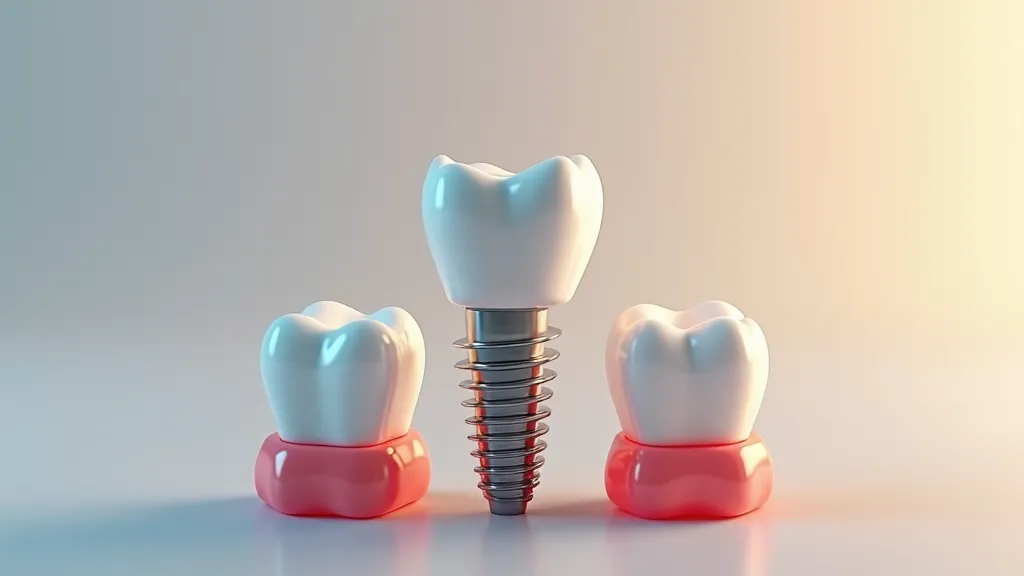
Unlock the Top Kept Secrets to Finding Your Ideal Dentist for Flawless Dental Implant Results!

Discovering Springdale Estates

Unveiling RS Sul Telecom Services

The Guide to Car Trading

Striking the Perfect Balance: Navigating Premiums and Out-of-Pocket Expenses in Senior Insurance Plans
Finding an optimal mix of insurance premiums and direct medical costs is crucial for effective healthcare budgeting. This discussion will delve into tactics to achieve a balance that aligns with your finances.
Unlock the Top Kept Secrets to Finding Your Ideal Dentist for Flawless Dental Implant Results!
Selecting an adept dentist is critical for ensuring the efficacy and your satisfaction during a dental implant procedure. This in-depth guide is designed to assist you in finding a dental expert who meets your personal requirements, guaranteeing that your path to dental implant success is seamless and fruitful.

Protect Your Perfect Smile: Master the Art of Defending Your Teeth Against Acid Attacks
Though they may tantalize the palate and invigorate the senses, foods and drinks with high acid content are a double-edged sword with regard to oral wellness. Continual exposure to these substances progressively strips away the protective enamel from our teeth, which can lead to increased sensitivity, changes in coloration, and a variety of other dental complications. This composition offers insight into relishing these zesty favorites while safeguarding your teeth from damage.

Discovering Heartis Eagle Mountain
Heartis Eagle Mountain is a prominent senior living community that offers a range of services and amenities aimed at enhancing the quality of life for its residents. Situated in a peaceful setting, it combines exceptional care with engaging activities, providing a holistic environment that caters to seniors' physical, emotional, and social needs.

Unveiling the Top Dental Implant Options for Seniors: Transform Your Smile with the Ultimate Guide to Restored Radiance
The significance of oral health cannot be understated for the elderly population as they are commonly afflicted with tooth loss due to a multitude of factors, including decay and gum disease. Dental implants have risen to prominence as a prime method of teeth replacement, acclaimed for their long-lasting nature, functional prowess, and striking similarity to our own teeth. This discussion delves deeply into the realm of dental implants to demonstrate why they are considered the optimal choice for aged individuals aiming to enhance their smiles and overall life quality.

Boost Your Defenses: 20 Proven Strategies for a Stronger Immune System
Having a robust immune system is essential to protect our bodies from harmful microorganisms and preserve our general health. Although some elements that affect our immunity are out of our hands, many lifestyle decisions can help us enhance our immune defenses naturally. This piece delves into 20 practical methods to empower your immune system, increasing your capacity to ward off diseases and sicknesses.