This guide explains how to evaluate Indeed Pick Packer vacancies, understand daily warehouse duties, compare employment conditions, and prepare a strong application. A pick packer selects products, checks order accuracy, packs shipments, and helps maintain efficient inventory flow. The role can suit entry-level applicants, although employers commonly assess reliability, physical readiness, attention to detail, safe work practices, and the ability to use warehouse technology.

An Indeed Pick Packer search usually refers to warehouse vacancies advertised through Indeed for workers who select products from storage locations and prepare them for dispatch. Although employers may use different job titles, the core responsibilities are often similar: reading an order, locating the correct stock, checking quantity and condition, packing the items securely, labeling the shipment, and updating the warehouse system.
The role sits between inventory storage and outbound delivery. A pick packer may work in a retail distribution center, food warehouse, e-commerce operation, manufacturing facility, pharmaceutical supply chain, or third-party logistics site. The environment changes by industry, but accuracy and safe handling remain central expectations.
For applicants, the very important point is that a job advertisement should be assessed as a complete employment proposition rather than by title alone. Two vacancies carrying the same “pick packer” label may differ substantially in shift pattern, temperature conditions, lifting requirements, training, travel arrangements, probation terms, and progression opportunities. Indeed provides a convenient place to compare listings, but candidates should still read the employer’s description carefully and verify the conditions during the recruitment process.
Some employers combine picking and packing in one position, while others divide the work into separate departments. In a larger fulfillment center, one employee may pick products into a tote and another may pack, weigh, label, and seal the order. In a smaller warehouse, one worker may complete the entire process from beginning to end. Understanding this distinction is useful because the level of walking, lifting, computer use, and customer-order responsibility can vary considerably.
From an industry perspective, the position is operationally important because a mistake at the picking or packing stage can affect delivery timing, inventory accuracy, customer satisfaction, and the cost of returns. Employers therefore look for a combination of pace and control. Working quickly matters, but speed that creates repeated errors is not normally regarded as effective performance.
Pick packers may also deal with exceptions that are not obvious from the job title. For example, an order could require a particular color, size, batch number, or expiry date. A product may be missing from its expected location, or the system may show stock that cannot be found physically. The worker must know when to continue independently and when to stop and ask for guidance. That judgment helps protect both the customer order and the accuracy of the warehouse records.
Job seekers often focus first on the wage or shift headline. A more reliable approach is to examine the listing in layers. Start with the employer, location, employment type, and basic duties. Then review physical requirements, scheduling, workplace conditions, qualifications, and the application process. This sequence helps identify whether the position fits your circumstances before you invest time in an application or interview.
Look for terms such as permanent, temporary, seasonal, casual, part-time, full-time, contract, or agency placement. These terms have different implications for scheduling, continuity, benefits, and notice arrangements. If the advertisement does not clearly explain the arrangement, prepare a question for the recruiter.
Agency roles may involve working at a client warehouse while communicating with an employment agency about payroll or scheduling. That structure is not necessarily unsuitable, but the applicant should understand who the legal employer is, who manages attendance, and how workplace concerns are handled.
Seasonal vacancies may be connected to holidays, promotional events, harvest periods, or changes in customer demand. They can be useful for gaining experience, but applicants should not assume that a temporary position will automatically become permanent. Ask whether extensions or permanent opportunities are possible and what performance or attendance standards apply.
Warehouses often operate beyond standard office hours. A listing may mention early-morning, afternoon, overnight, weekend, rotating, or split shifts. Some operations use fixed schedules, while others alter working hours according to order volumes or production requirements.
Before applying, consider travel time, public transportation, childcare, sleep requirements, and the reliability of your transport. A position may appear attractive until the applicant realizes that the start time is difficult to reach or that weekend attendance is essential. A clear understanding of the schedule also supports a more credible interview response.
Ask whether the advertised shift is guaranteed or merely the usual pattern. Some warehouses publish a general range of hours and then allocate shifts weekly. Others offer a fixed schedule with occasional overtime. These arrangements suit different lifestyles, so it is better to establish the expected pattern before accepting the job.
Pick packer work may involve standing and walking for extended periods, repeated bending or reaching, handling cartons, pushing cages, operating pallet equipment, and working in areas with changing temperatures. Requirements differ by facility. Some positions involve small consumer goods, while others involve larger or heavier products.
Applicants should not assume that one warehouse job represents every other warehouse job. Read the lifting language carefully. Statements such as “frequent manual handling,” “team lifting,” “repetitive movement,” or “ability to work in a chilled environment” are practical indicators of the work rather than decorative wording.
Physical requirements should be considered alongside the layout of the facility. A worker picking small items may still walk several miles during a shift if the warehouse is large. Another worker may handle heavier cartons but spend more time at a stationary packing bench. If you have a health condition or restriction that could affect the work, seek appropriate professional advice and discuss reasonable workplace arrangements through the proper channel.
Many employers accept applicants with limited warehouse experience when they can demonstrate reliability, attention to detail, and a willingness to follow procedures. Other employers seek previous experience with scanners, inventory systems, forklifts, pallet jacks, dispatch documentation, or regulated products.
Do not claim qualifications that you do not possess. If a listing requests equipment certification, state your actual status clearly. Some employers provide site-specific training, while others require a current license or certificate before work begins. Asking about this distinction is sensible and demonstrates responsible judgment.
Training may cover more than operating equipment. New employees may learn the warehouse layout, product codes, packing standards, emergency procedures, hygiene rules, scanning sequence, and process for reporting errors. During the first few shifts, it is normal to need clarification. A candidate who listens, takes notes where permitted, and asks relevant questions is often more successful than someone who tries to appear knowledgeable by guessing.
Indeed listings may direct candidates to apply through the platform, submit information on an employer’s recruitment page, call a hiring team, or attend a scheduled recruitment session. Follow the stated process and use consistent information across your résumé, application form, and interview responses.
Be cautious if a supposed recruiter requests sensitive financial information before a formal hiring process, asks you to purchase equipment, or avoids explaining the employer and workplace. A legitimate recruitment process should provide understandable information about the job and the next steps.
Check the date on which the listing was posted and whether it appears to be repeatedly advertised. An older listing may no longer represent an active vacancy. If the role seems suitable but the details are unclear, contact the employer using information from a credible official source rather than relying only on an unexpected message.
The exact workflow depends on the warehouse management system and product category, but a typical shift follows a recognizable pattern. The following sequence can help applicants understand what employers mean when they describe a “fast-paced” or “target-driven” workplace.
In a well-managed operation, technology supports these steps but does not eliminate the need for judgment. A scanner can confirm a barcode, but the worker must still notice a damaged carton, an unsafe obstruction, a leaking container, or a mismatch between the item and the order.
The order of tasks may change depending on the operation. In batch picking, one worker selects quantities for several customers at once and a later process separates the products into individual orders. In zone picking, employees work within designated areas and pass totes or cartons to the next zone. In discrete picking, one worker may complete one order at a time. Familiarity with these terms is not essential for every applicant, but understanding that warehouses use different methods can make training easier.
A strong candidate does not need to present as an expert in every warehouse system. However, the application should show how existing abilities relate to the role. Experience in retail, hospitality, manufacturing, agriculture, delivery operations, cleaning, construction, or customer service can provide transferable evidence.
| Skill | Why It Matters | How to Demonstrate It |
|---|---|---|
| Attention to detail | Prevents incorrect products, quantities, labels, and documents from entering dispatch. | Describe work involving stock checks, order records, cash handling, measurements, or quality control. |
| Reliability | Warehouse operations depend on coordinated staffing and consistent attendance. | Give factual examples of dependable schedules, punctuality, and completing assigned duties. |
| Safe work habits | Reduces risk when handling goods, using equipment, and moving through shared areas. | Mention training, hazard reporting, correct lifting technique, and compliance with procedures. |
| Physical readiness | Supports repeated walking, standing, reaching, handling, and movement throughout a shift. | Explain relevant work experience without exaggerating personal capacity. |
| Basic digital ability | Many facilities use scanners, inventory software, electronic time systems, or digital checklists. | List systems used in previous roles and describe how you learned them. |
| Communication | Clear handovers help teams resolve shortages, damage, delays, and safety concerns. | Provide examples of working with supervisors, drivers, colleagues, or customers. |
| Adaptability | Order volumes, product ranges, priorities, and staffing levels may change during a shift. | Describe a situation in which you adjusted to a new process or changing workload. |
Employers may also value patience and emotional control. A busy warehouse can involve time pressure, equipment delays, changing priorities, and communication between several teams. Remaining calm while finding the correct procedure is more useful than reacting impulsively or blaming another worker.
Numeracy can be relevant as well. Workers may need to count units, compare quantities, read dimensions, identify weights, calculate carton contents, or understand basic inventory figures. The role does not usually require advanced mathematics, but careful counting and the ability to recognize an obvious discrepancy are important.
A warehouse résumé should be clear, accurate, and easy to scan. Recruiters may review many applications, so the first section should quickly establish the applicant’s relevant experience, availability, and practical strengths. Avoid filling the document with broad claims such as “hardworking” or “excellent team player” unless they are supported by specific examples.
Useful résumé wording is specific. For example, “checked incoming deliveries against purchase records and reported discrepancies to the supervisor” gives more evidence than “helped with stock.” Similarly, “packed customer orders, applied carrier labels, and moved completed cartons to dispatch” directly connects prior work to a pick packer vacancy.
Applicants with no warehouse background can emphasize comparable responsibilities. A retail worker may have replenished shelves and checked deliveries. A hospitality employee may have followed hygiene procedures, handled time-sensitive orders, and maintained an organized workstation. A manufacturing worker may have followed production instructions and completed quality checks. The goal is not to disguise a different background; it is to explain its relevance.
Keep the résumé readable. Use consistent dates, straightforward job titles, and bullet points that begin with useful action verbs such as checked, packed, counted, scanned, organized, recorded, loaded, reported, or maintained. Avoid including personal information that the employer has not requested. A concise résumé with relevant evidence is generally more effective than a long document containing unrelated duties.
“Reliable and detail-focused warehouse candidate with experience handling stock, preparing orders, maintaining organized work areas, and following safety procedures. Comfortable with repetitive physical work, electronic systems, and team-based targets. Available for the advertised shift pattern and willing to complete site-specific training.”
This type of statement should be adjusted to reflect the applicant’s genuine background. It should not claim scanner, forklift, or inventory experience unless those abilities are real.
Interviewers for pick packer positions often concentrate on reliability, safety, accuracy, teamwork, and the ability to follow instructions. They may also ask about shift availability, physical demands, transport, previous equipment use, and responses to common warehouse problems.
“Why are you interested in this role?”
Connect your answer to practical work, organization, order accuracy, teamwork, or interest in supply chain operations. Avoid suggesting that you applied without reading the listing.
“How would you handle an item that does not match the order?”
Explain that you would stop the process, recheck the order and product information, and report the discrepancy through the approved procedure. Do not guess or substitute an item without authorization.
“What would you do if you noticed damaged stock?”
State that you would separate or identify the item according to site procedure, record or report the issue, and avoid sending it onward without a decision from the responsible team.
“How do you maintain accuracy when working quickly?”
Discuss a consistent checking routine: reading the order, confirming the location, scanning or matching the product, checking quantity, and verifying the final package before dispatch. This answer shows that speed is based on method rather than rushing.
“Tell us about a time you followed a safety procedure.”
Use a factual example from any workplace. Explain the hazard, the procedure followed, and the result. If you have not worked in a warehouse, refer to safe equipment use, hygiene controls, traffic awareness, or manual handling in another environment.
“Can you work the required shifts?”
Answer directly. If your availability is limited, explain the exact days or times rather than making a vague promise. Accurate availability helps prevent problems after hiring.
“How would you respond if a supervisor changed your priority?”
Explain that you would listen to the new instruction, confirm which task should take priority, and update the relevant system or handover if necessary. If you were already handling an urgent or safety-sensitive issue, you would communicate that fact before changing tasks.
“What would you do if you did not understand a scanner instruction?”
Say that you would pause and ask a trained colleague or supervisor rather than guessing. This demonstrates that you value correct records and safe procedures over pretending to understand.
The STAR method—Situation, Task, Action, and Result—can organize responses to behavioral questions. For example, a candidate might describe a situation in which a delivery record did not match the physical stock, explain the task of resolving the issue, outline the steps taken to recheck the documentation and notify a supervisor, and state the result. The example should remain truthful and proportionate to the candidate’s experience.
When preparing examples, choose situations that show a clear personal contribution. A strong answer does not need to describe a dramatic emergency. It may involve catching a counting error, completing a busy shift without compromising quality, helping a new colleague understand a process, or reporting a spill before someone was injured.
Safety is not a secondary feature of pick packer work. It is part of professional performance. Warehouses may contain moving vehicles, conveyors, elevated storage, sharp packaging tools, uneven surfaces, heavy loads, noise, dust, temperature-controlled areas, or restricted zones. Risks vary by facility, which is why induction training and site-specific procedures matter.
In the United States, the Occupational Safety and Health Administration provides workplace safety guidance relevant to warehousing, material handling, powered industrial trucks, hazard communication, and emergency procedures. In other jurisdictions, employers must follow the applicable national or regional occupational health and safety framework. Applicants should rely on the rules that apply where the job is located rather than assuming that procedures are identical across workplaces.
A responsible applicant should ask how training is delivered, what equipment is used, how manual handling is managed, and whether special conditions such as cold storage apply. These questions are practical indicators of professional judgment, not signs of low motivation.
Manual handling deserves particular attention. Good technique is not simply a matter of lifting with the legs. Workers should understand the load, clear the route, position themselves correctly, avoid twisting while carrying, and use mechanical assistance or team lifting where required. If a load is unstable, too large, or too heavy for one person, the correct response is to follow the site’s assistance procedure.
Housekeeping is also a safety responsibility. Loose plastic, discarded straps, open cartons, damaged pallets, and misplaced tools can create trip hazards or interfere with equipment. A worker who keeps a station orderly contributes to productivity as well as safety because colleagues can find materials and move through the area more efficiently.
The technology listed in an Indeed Pick Packer advertisement can reveal how the warehouse operates. Some businesses rely on printed lists and manual records. Others use barcode scanners, radio-frequency identification, voice-directed picking, automated conveyors, pick-to-light systems, dimensioning equipment, or integrated warehouse management software.
Technology familiarity is useful, but employers usually care more about the ability to learn and use the system consistently. A candidate who has used a handheld point-of-sale device, delivery application, stock database, or production terminal may already have relevant digital experience.
| Tool or System | Typical Function | Candidate Consideration |
|---|---|---|
| Barcode scanner | Confirms product identity, location, quantity, or order status. | Accuracy and careful scanning are more important than merely handling the device. |
| Warehouse management system | Coordinates inventory locations, tasks, orders, and stock movements. | Basic digital confidence helps workers learn menus and workflow steps. |
| Voice-directed picking | Provides spoken instructions and receives verbal confirmations. | Clear communication and concentration are essential. |
| Pick-to-light equipment | Uses lights or displays to identify picking locations and quantities. | Workers must follow visual signals and confirm the correct quantity. |
| Conveyor and sortation equipment | Moves cartons or totes between processing areas. | Awareness of moving equipment and safe clearance zones is required. |
When a listing names a system that you have not used, do not assume that you are automatically unsuitable. Instead, describe the technology you have used and explain how you learned it. Employers commonly provide instruction on their own software because system layouts, scanning rules, and escalation procedures differ between sites.
Technology can improve traceability, but it also means that small mistakes may be recorded and distributed through several connected processes. For example, scanning the wrong location can make inventory appear correct in the system while creating a shortage for another order. Workers should therefore treat each scan as an important transaction, not as a purely mechanical button press.
Warehouse performance may be assessed through several measures, including order accuracy, completed tasks, scan compliance, attendance, damage rates, dispatch timing, and adherence to safety procedures. The precise targets and definitions belong to the employer and should be explained during onboarding.
It is important to view productivity measures in context. An efficient worker does not simply process a high number of units. They also select the correct product, protect it appropriately, record the movement accurately, and follow safe procedures. A short-term increase in speed that produces errors, injuries, or damaged stock is not a sound operational outcome.
Applicants can ask how performance is measured, whether targets are individual or team-based, how training time is treated, and how quality issues are investigated. These questions help clarify expectations before accepting an offer.
Quality and productivity may sometimes appear to compete, but good processes support both. Organizing packaging materials, learning the warehouse layout, keeping the scanner charged, and following a consistent route can reduce wasted movement without reducing checking standards. Experienced workers often become faster because they understand the process, not because they skip essential steps.
Compensation for pick packer work varies by jurisdiction, employer, industry, experience, shift, employment arrangement, and applicable wage rules. Because rates change and job advertisements may be updated, candidates should rely on the current listing, written offer, and applicable employment regulations rather than general online estimates.
When comparing vacancies, consider the entire package:
Do not rely on a headline amount without checking whether it is an hourly rate, an estimated weekly figure, a starting rate, or a figure dependent on attendance or shift conditions. If the listing is ambiguous, request written clarification from the employer or agency.
It is also useful to distinguish guaranteed hours from potential hours. A listing may advertise overtime because the warehouse is busy, but overtime may not be guaranteed. Conversely, some roles may require additional hours during peak periods. Understanding this distinction helps applicants plan income, transport, and personal commitments realistically.
A careful candidate should create a short checklist before accepting an Indeed Pick Packer position. The checklist can be used during a phone call, interview, site tour, or written offer review.
| Area | Questions to Clarify |
|---|---|
| Work location | What is the exact site, and is the worker expected to move between facilities? |
| Schedule | Are shifts fixed, rotating, seasonal, or subject to short-notice changes? |
| Physical work | What products are handled, and what lifting, reaching, walking, or temperature conditions apply? |
| Training | What induction, equipment instruction, and supervised practice are provided? |
| Equipment | Will the worker use scanners, pallet equipment, forklifts, conveyors, or specialized tools? |
| Performance | How are accuracy, productivity, attendance, and quality evaluated? |
| Employment status | Who is the employer, and how long is the assignment expected to continue? |
| Compensation | What is the confirmed rate, pay frequency, and treatment of additional hours? |
| Safety | What protective equipment, reporting process, and site safety rules apply? |
| Progression | Are there pathways into inventory control, dispatch coordination, quality, or equipment operation? |
A site visit, if offered, can provide useful practical information. Notice whether pedestrian routes are clearly marked, whether workers receive instructions, how organized the packing stations appear, and whether staff have access to required protective equipment. A formal tour is not the same as an inspection, but it can help you understand the environment before making a decision.
A structured approach can improve both efficiency and application quality.
This process is particularly useful when several similar listings appear. A vacancy that fits your schedule and provides clear training may be more suitable than one with a stronger headline but unclear conditions.
Keep a record of the applications you submit, including the employer, job title, date, shift, advertised rate, and contact person. This prevents confusion when several employers respond and makes it easier to prepare for each interview. It also allows you to notice whether an employer changes important terms between the initial advertisement and the offer.
Warehouse operations often depend on precise staffing windows. If you cannot attend the advertised schedule, applying without explanation may create a poor first impression. State your availability honestly and target roles that match it.
Powered equipment and specialized machinery may require formal authorization. Claiming experience that you do not have can create safety concerns and undermine trust. Instead, identify the equipment you have used and express readiness to complete required training.
Food, medical supplies, chemicals, frozen goods, fragile merchandise, and high-value products may involve additional procedures. A candidate should recognize that product handling rules are part of the job, not an optional extra.
Accuracy, safe conduct, and correct documentation are fundamental. During an interview, explain how you balance pace with checking rather than presenting speed as the only measure of competence.
A résumé that does not mention stock, orders, dispatch, scanning, safety, or relevant transferable experience may be overlooked even when the applicant could perform the work. Tailoring the wording improves clarity without requiring an elaborate document.
Use reasonable caution with recruitment messages. Confirm the employer, worksite, interview arrangement, and requested documents. Do not send unnecessary sensitive information at an early stage, and do not pay a person or organization in order to be considered for employment.
Some candidates accept a position without asking whether the warehouse is ambient, chilled, frozen, noisy, highly automated, or open to outdoor loading areas. These conditions can affect comfort and performance. A few direct questions can prevent an avoidable mismatch.
Pick packer work can provide a foundation for broader warehouse and supply chain responsibilities. Progression depends on the employer, performance, training opportunities, and local qualifications, but possible directions include inventory clerk, receiving assistant, dispatch coordinator, quality checker, team leader, warehouse administrator, transport coordinator, or equipment operator.
Workers can strengthen their prospects by developing several capabilities:
Career development is not limited to moving into supervision. Some employees prefer specialist paths in inventory accuracy, quality assurance, dispatch systems, transport planning, or warehouse technology. The top next step depends on the worker’s interests and the structure of the organization.
New employees can support their development by asking for feedback at suitable times. A useful question is, “Which part of the process should I improve first?” The answer may identify a scanning habit, route-planning issue, packing standard, or communication skill. Demonstrating improvement over time can make an employee a stronger candidate for cross-training.
From a warehouse operations perspective, the strongest pick packer is not necessarily the person who moves very dramatically or speaks very confidently during an interview. It is usually the person who can follow a process repeatedly, recognize exceptions, communicate early, and remain safe when the workload changes.
Recruitment decisions often become clearer when applicants understand the difference between routine execution and operational responsibility. Routine execution means selecting and packing the assigned order. Operational responsibility means noticing that a location is empty, a barcode is unreadable, a carton is damaged, a label is duplicated, or a pathway is obstructed—and escalating the issue through the correct channel.
Employers also value workers who protect the accuracy of the wider system. A missing scan or incorrect location update may affect later orders and create additional work for inventory teams. Careful data entry, correct labeling, and timely reporting therefore have importance beyond the individual package.
For candidates, the very persuasive professional message is straightforward: they understand that the role combines physical work, technology, quality control, and safety. This balanced understanding is more credible than presenting the position as simple packing alone.
From a customer-service perspective, the package is often the final physical representation of the business before delivery. A clean, secure, correctly labeled shipment reduces the likelihood of damage, delay, and complaint. Pick packers may not speak directly with customers, but their decisions have a measurable effect on the customer’s experience.
It generally describes a search for pick packer jobs advertised on Indeed. A pick packer selects products from warehouse storage and prepares them for shipment or internal distribution. The exact duties depend on the employer and product category.
Not always. Some employers consider applicants with no direct warehouse background if they can demonstrate reliability, attention to detail, safe work habits, and the ability to follow instructions. Other listings may require specific equipment experience or industry knowledge.
Picking involves locating and selecting the correct products. Packing involves checking those products, placing them into suitable packaging, securing the shipment, and applying the correct labels and documents. Many employers combine both functions in one position.
Requirements vary, but the work may involve standing, walking, bending, reaching, repetitive movements, and handling cartons or totes. The listing should explain the relevant conditions. Candidates should review those requirements carefully and ask for clarification if the wording is unclear.
Many do. Common tools include barcode scanners, warehouse management systems, electronic checklists, voice-directed systems, and conveyor controls. The level of technology differs by site, and employers may provide training on their specific systems.
Use transferable examples. Retail stock replenishment, delivery preparation, production checks, hospitality order accuracy, cleaning procedures, and customer-service records can all demonstrate relevant habits. Explain the task, the process you followed, and the result.
Choose clean, practical, and professional clothing suitable for the employer’s setting. Closed, stable footwear is sensible if a site tour is possible, but follow any instructions from the recruiter. Avoid clothing that could create a safety issue around warehouse equipment.
Ask about the shift pattern, employment status, training, equipment, physical conditions, performance measures, pay structure, start date, and safety procedures. These questions help you judge whether the role is suitable and show that you take the work seriously.
It can. Depending on the organization, workers may progress into inventory control, receiving, dispatch coordination, quality assurance, team leadership, administration, equipment operation, or transport planning. Progression is influenced by performance, training, vacancies, and applicable qualifications.
Compare the confirmed employment status, schedule, travel requirements, physical conditions, training, equipment, compensation structure, employer identity, and progression prospects. A clear and suitable role may be preferable to one that appears attractive only because of a headline figure.
Ask the recruiter to explain the difference and request the final conditions in writing. Clarify the employer, location, hours, rate, duties, and expected duration before accepting. It is reasonable to pause until important information is clear.
It can be. Many entry-level roles provide training and develop useful habits such as punctuality, teamwork, digital system use, stock accuracy, and workplace safety. Applicants should still assess the physical and scheduling requirements honestly.
An Indeed Pick Packer search can lead to practical opportunities across retail distribution, e-commerce, manufacturing, food logistics, and other supply chain settings. The role is built around accurate product selection, secure packing, reliable documentation, safe movement, and effective teamwork.
The top application strategy is evidence-based. Read the entire listing, assess the conditions realistically, adapt your résumé, prepare examples, and verify important terms before accepting an offer. Applicants who combine accuracy with safe, dependable work habits can make a strong impression even when their previous experience comes from outside warehousing.
Ultimately, pick packing is a disciplined operational role rather than a task limited to placing products in boxes. It connects inventory records, warehouse processes, carrier handovers, and customer expectations. Understanding that wider connection will help candidates search more effectively, answer interview questions with confidence, and make informed employment decisions.
Striking the Perfect Balance: Navigating Premiums and Out-of-Pocket Expenses in Senior Insurance Plans

Explore the Tranquil Bliss of Idyllic Rural Retreats

How to Make Lasting Memories at Disneyland Attractions

Affordable Phones and Plans for Seniors

Affordable Full Mouth Dental Implants Near You

Unlock the Top Kept Secrets to Finding Your Ideal Dentist for Flawless Dental Implant Results!

Discovering Springdale Estates

Unveiling RS Sul Telecom Services

The Guide to Car Trading


Understanding Indeed Pick Packer Jobs
This guide explains how to evaluate an Indeed Pick Packer job, including daily duties, warehouse expectations, essential skills, pay and schedule questions, application strategies, and workplace safety considerations. A pick packer typically selects products, checks order accuracy, prepares parcels, and records inventory movements. The role supports efficient fulfillment across retail, manufacturing, logistics, and e-commerce operations, with requirements varying by employer, facility, shift, and local labor regulations.
Indeed Pick Packer Jobs: A Practical Career Guide
This guide explains how to evaluate Indeed Pick Packer vacancies, understand daily warehouse duties, compare employment conditions, and prepare a strong application. A pick packer selects products, checks order accuracy, packs shipments, and helps maintain efficient inventory flow. The role can suit entry-level applicants, although employers commonly assess reliability, physical readiness, attention to detail, safe work practices, and the ability to use warehouse technology.
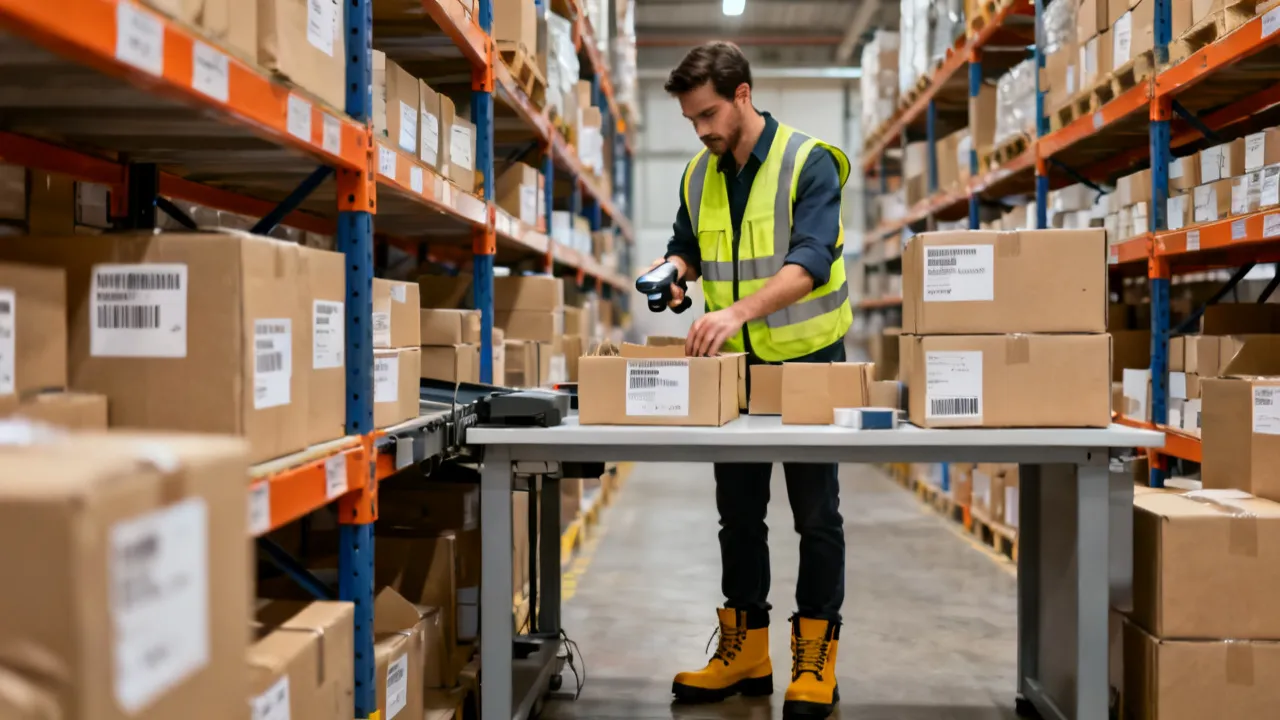
Indeed Pick Packer Jobs: A Practical Career Guide
This guide explains how to evaluate an Indeed Pick Packer listing, understand daily warehouse duties, compare employment conditions, and prepare a stronger application. Pick packers retrieve products, verify orders, package goods, and support accurate dispatch in warehouses, distribution centers, and retail supply chains. The role may suit candidates seeking structured, hands-on work, although schedules, physical demands, training, pay, and progression vary by employer and location.

Indeed Pick Packer Jobs: A Practical Career Guide
This guide explains how to evaluate Indeed Pick Packer vacancies, understand daily warehouse duties, prepare a strong application, and assess pay, schedules, safety, and workplace conditions. A pick packer selects products, checks order accuracy, packs goods, and prepares shipments for dispatch. The role appears across retail, logistics, manufacturing, grocery, and e-commerce operations, with requirements varying by employer, location, equipment, and shift pattern.
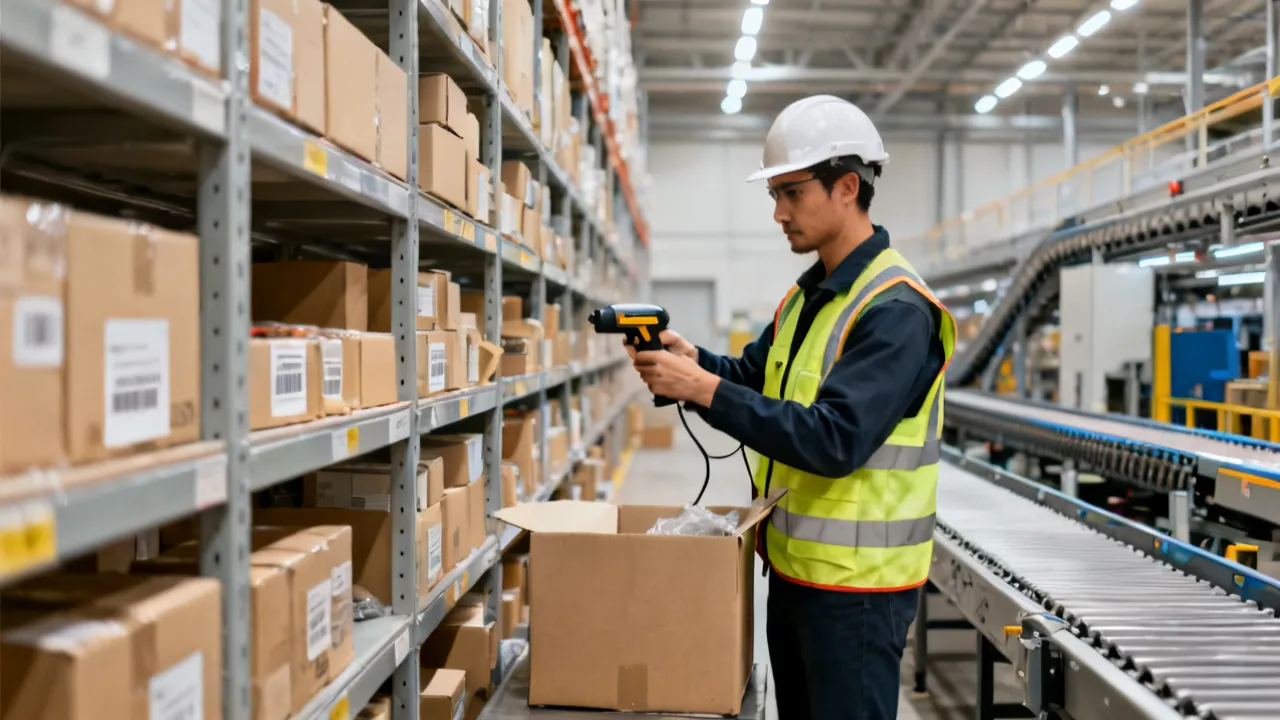
Indeed Pick Packer Jobs: A Practical Career Guide
This guide explains how to evaluate and apply for an Indeed Pick Packer job, including daily duties, essential skills, workplace expectations, pay considerations, safety requirements, and interview preparation. A pick packer typically retrieves products from warehouse locations, checks order accuracy, packages goods, and prepares shipments. Job conditions vary by employer, facility, shift, equipment, and experience, so applicants should review each listing carefully before applying.
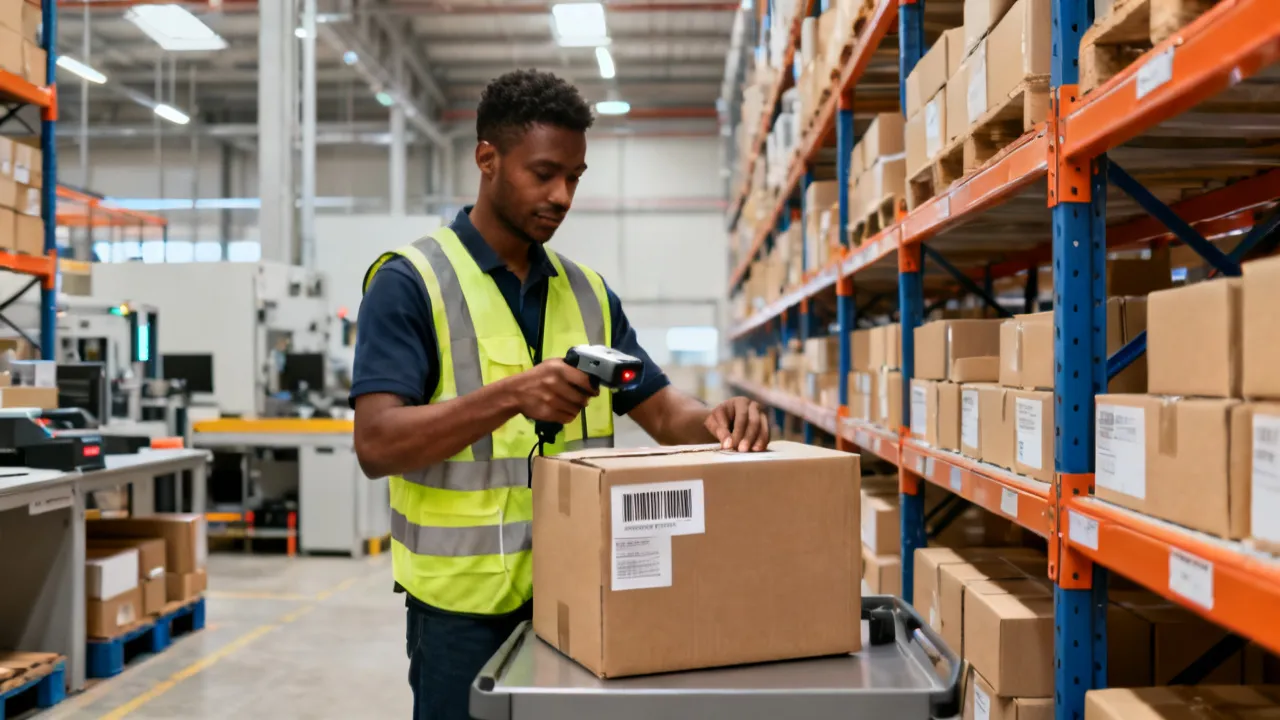
Indeed Pick Packer Jobs: A Practical Guide
This guide explains how to evaluate Indeed pick packer listings, understand daily warehouse duties, prepare a strong application, and assess safety, scheduling, pay, and advancement information. Pick packer roles generally combine order picking, item verification, packing, labeling, inventory handling, and shipment preparation. Requirements differ by employer, facility, equipment, shift, and product type, so applicants should review each posting carefully and confirm important details directly with the hiring organization.
