This guide explains how to evaluate and apply for an Indeed Pick Packer job, including daily duties, essential skills, workplace expectations, pay considerations, safety requirements, and interview preparation. A pick packer typically retrieves products from warehouse locations, checks order accuracy, packages goods, and prepares shipments. Job conditions vary by employer, facility, shift, equipment, and experience, so applicants should review each listing carefully before applying.
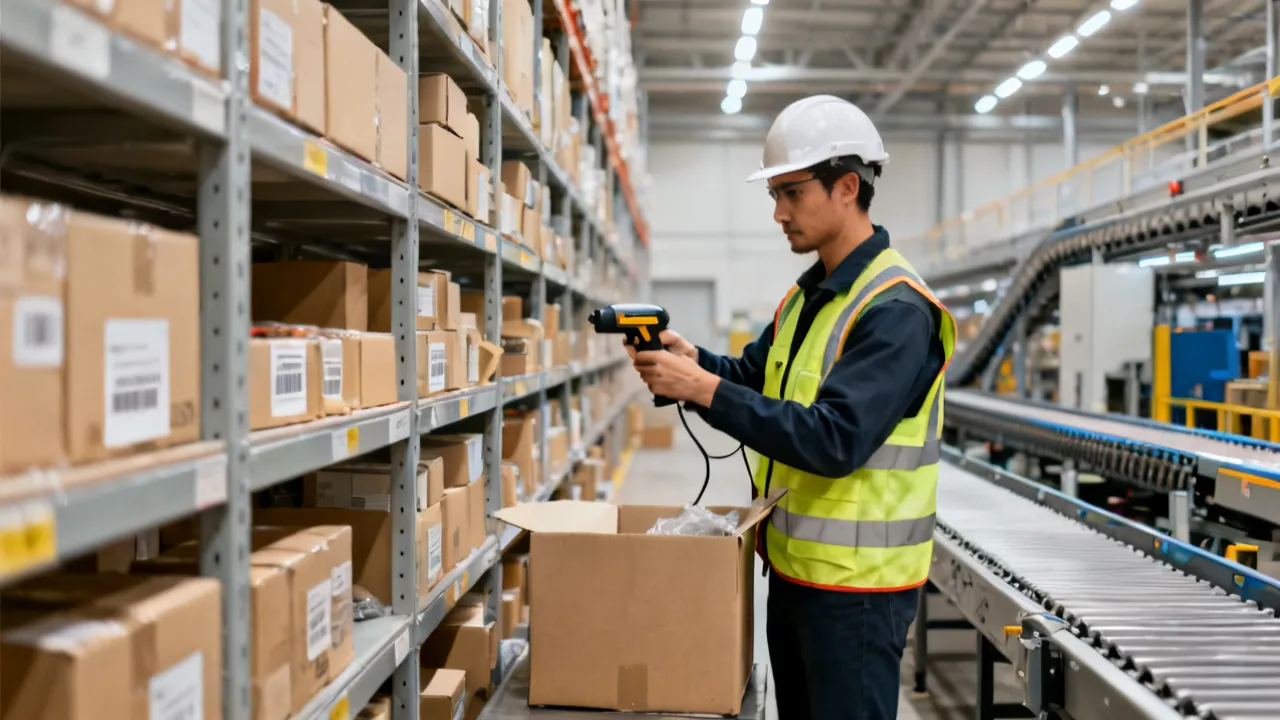
An Indeed Pick Packer job generally refers to a warehouse position advertised through Indeed in which an employee selects products from inventory, verifies order details, packages merchandise, and prepares completed orders for dispatch. The title may appear in several forms, including picker packer, warehouse picker and packer, order picker, warehouse operative, fulfillment associate, or packing associate. Although the wording differs, the central purpose is usually the same: move customer or business orders through a warehouse accurately, safely, and on schedule.
Applicants should understand one important distinction at the outset: Indeed is a job-search platform, not necessarily the employer. A listing may be posted directly by a company, a recruitment agency, a logistics provider, a staffing organization, or another intermediary. The actual workplace, employment contract, payroll arrangements, supervision, shift pattern, and benefits therefore depend on the organization named in the listing.
From a warehouse recruitment perspective, the strongest candidates do more than say they are willing to work hard. They demonstrate attention to detail, reliability, safe working habits, physical readiness for the role, and an ability to follow a repeatable process. Employers often value consistent accuracy as much as speed because a poorly picked or incorrectly packed order can create returns, customer complaints, inventory discrepancies, and additional transport costs.
A candidate reviewing an Indeed Pick Packer advertisement should first identify five practical points:
These details are more useful than relying on the job title alone. Two roles with the same title can differ significantly. One may involve small parcels in a climate-controlled facility, while another may require handling bulky goods in a large distribution center. A careful comparison helps applicants choose roles that match their abilities and expectations.
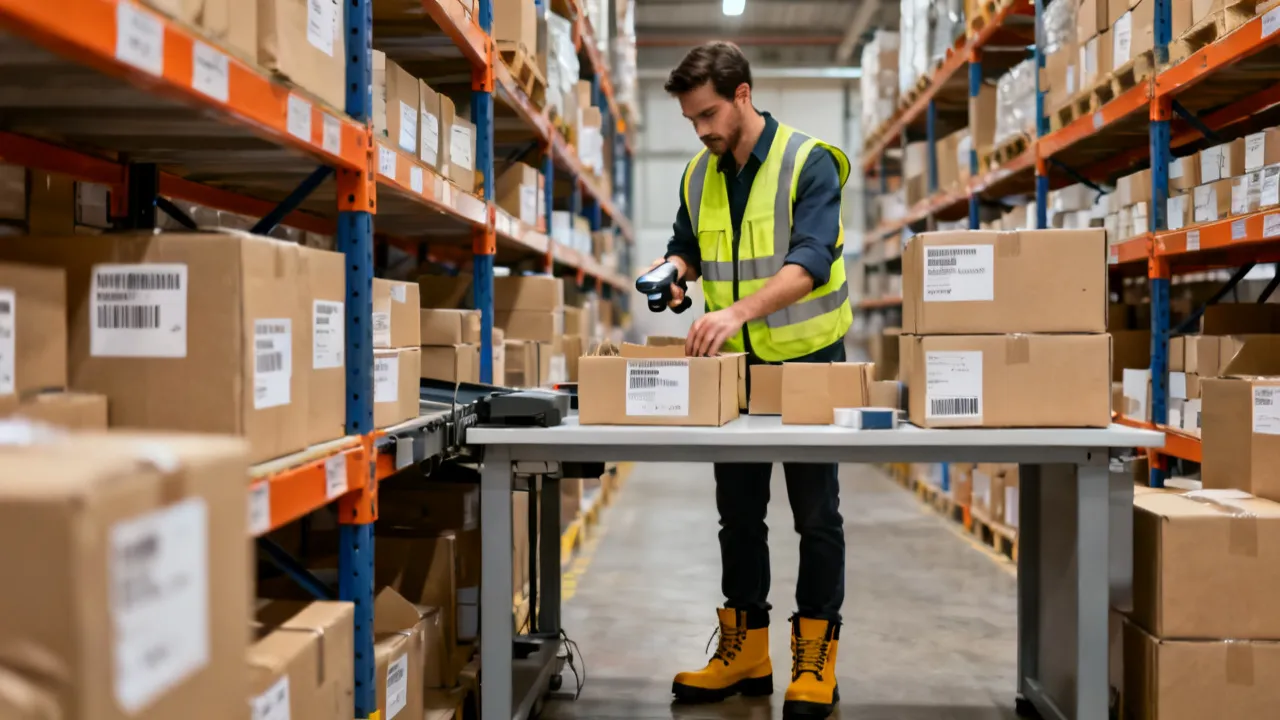
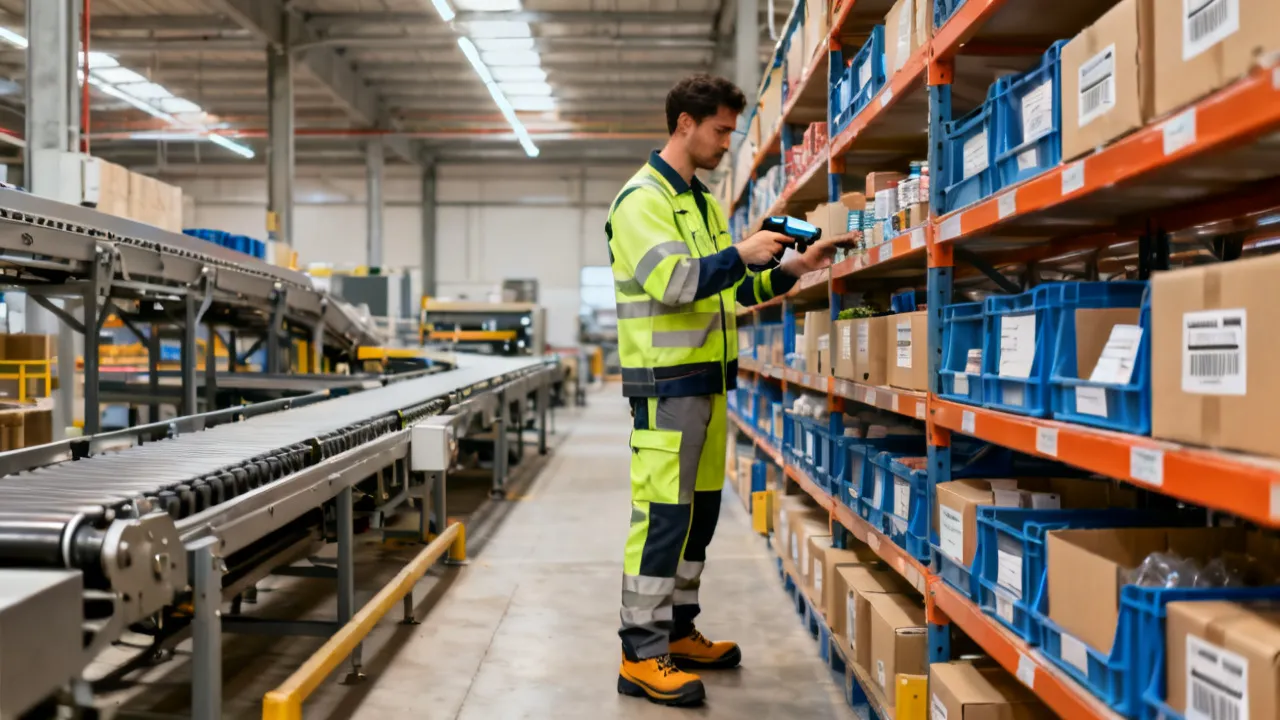
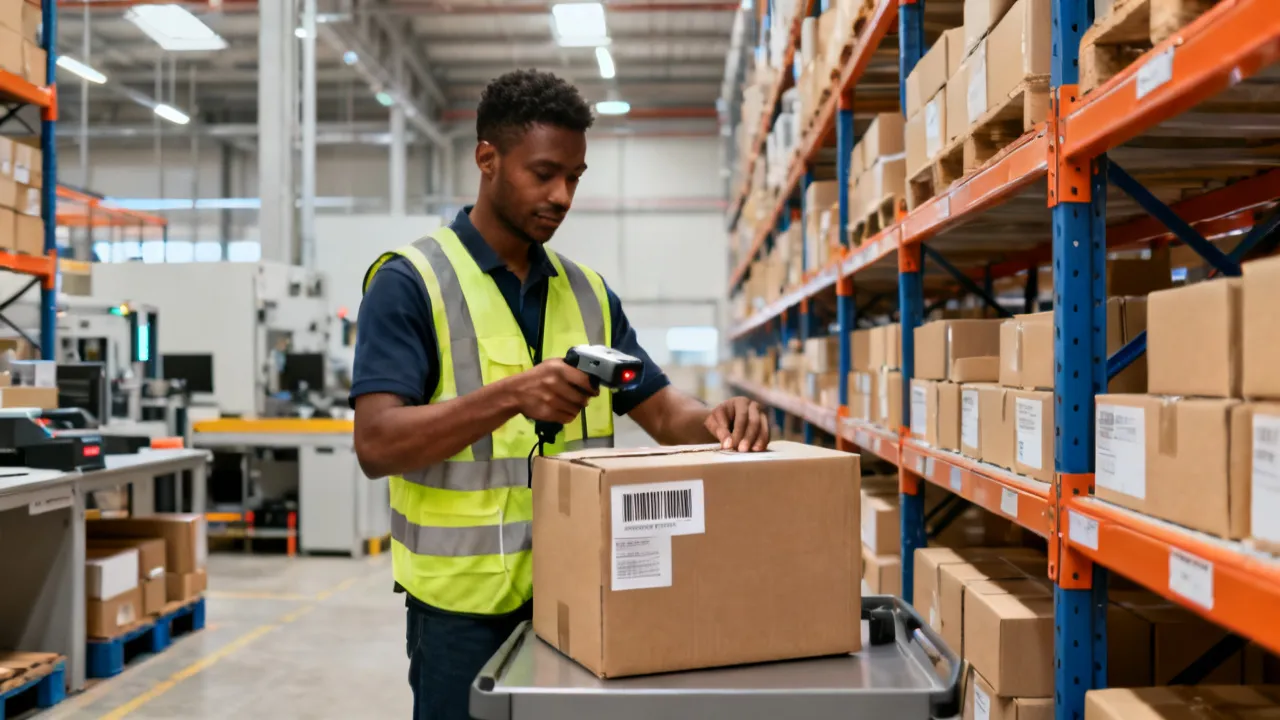
The daily workflow usually begins when a warehouse management system releases an order or batch of orders. The employee receives instructions through a handheld scanner, paper pick list, voice-directed system, or computer terminal. The worker then travels to the relevant storage location, selects the correct item and quantity, confirms the selection, and moves the goods to a packing or dispatch area.
Common responsibilities include:
Not every employer combines picking and packing in one position. Some facilities divide the process into separate departments. In a large operation, a picker may only retrieve stock, while a packer checks the order and prepares the shipment. In a smaller warehouse, one employee may complete the entire process. Applicants should ask how the duties are divided before accepting an offer.
Additional tasks may include replenishing forward pick locations, counting stock, processing customer returns, removing damaged packaging, assisting with loading, or preparing goods for store delivery. These tasks are not necessarily unusual, but the proportion of time spent on them can affect whether the role is suitable. A candidate looking for a dedicated packing position should ask whether the job is primarily picking and packing or whether it is a general warehouse role with several rotating responsibilities.
A basic warehouse order usually passes through several stages. First, an order enters the company’s warehouse management or order-processing system. Next, the system assigns a task to a worker or team. The item is picked, verified, moved to packing, packaged, labeled, and transferred to a dispatch or collection area. Depending on the business, there may also be a quality check, weighing stage, documentation review, or carrier scan.
Understanding this workflow helps applicants see why accuracy matters. A single wrong item can affect several later stages. If the wrong product is placed in a carton, the packing employee may not notice the mistake. The carrier then transports the parcel, the customer receives an incorrect order, and the business must arrange a return or replacement. Reliable pick packers reduce these avoidable interruptions by verifying information at each stage.
Warehouse operations may use different picking methods:
| Picking method | How it works | Typical considerations |
|---|---|---|
| Single-order picking | The worker completes one customer order before beginning another. | Easy to understand, but travel time may be higher in a large facility. |
| Batch picking | The worker collects items for several orders in one trip. | Requires careful sorting and accurate separation of orders. |
| Zone picking | Workers operate within assigned warehouse areas and pass orders between zones. | Clear specialization, but handoffs must be managed accurately. |
| Wave picking | Orders are released in planned groups according to timing, carrier, or priority. | Employees must work to scheduled dispatch windows. |
| Voice-directed picking | Instructions are delivered through a headset while the worker confirms tasks verbally. | Requires concentration and familiarity with spoken prompts. |
The method affects the pace, movement, equipment, and training required. A candidate who has worked with one method can often learn another, but it is still sensible to ask about the system during an interview.
Some facilities use a hybrid model. For example, a worker might pick small products individually in the morning, assist with batch picking during peak periods, and pack completed orders later in the shift. Other workplaces use automated conveyors and fixed packing stations, meaning the employee walks less but performs more repetitive movements. These differences can influence fatigue, productivity expectations, and the type of concentration needed.
Many entry-level pick packer roles do not require a long list of formal qualifications. However, employers generally expect applicants to show dependable workplace behavior. The most important skills are practical rather than academic.
Picking involves comparing product names, stock codes, sizes, colors, quantities, and locations. Packaging requires another check to confirm that the order is complete and protected. An applicant should be comfortable repeating these checks even during busy periods.
Attention to detail is particularly important when products have similar packaging. Two items may share a brand name but differ in size, flavor, model, color, or specification. A reliable employee checks the identifying information instead of selecting an item based only on its appearance.
The work may involve extended periods of standing, walking, bending, reaching, pushing, pulling, and lifting. The actual demands depend on the inventory and facility. Some warehouses handle lightweight consumer goods; others handle furniture, industrial components, food cases, or construction supplies. A responsible applicant should read the lifting information and ask about available mechanical assistance.
Warehouses depend on coordinated teams. If one person does not attend a scheduled shift, orders may need to be reassigned or dispatch work may be delayed. Employers therefore pay attention to punctuality, communication, and a record of meeting agreed schedules.
Modern warehouses commonly use scanners, warehouse management systems, label printers, digital pick lists, and electronic timekeeping. Prior experience can help, but many employers provide role-specific training. The key requirement is usually the ability to learn instructions, use equipment carefully, and report system problems rather than guessing.
Pick packers may need to communicate with team leaders, inventory staff, drivers, quality-control employees, and colleagues in other zones. Clear communication is particularly important when stock is missing, a label is unreadable, a product is damaged, or a safety hazard is discovered.
A strong worker does not ignore an unsafe condition to maintain speed. Employees should understand when to stop, isolate a problem, request assistance, or report a hazard. This approach protects people and supports stable operations.
Warehouse priorities can change quickly because of weather, carrier delays, promotional events, stock shortages, or unexpected order volumes. Employers value people who can move between tasks without losing accuracy. Adaptability does not mean accepting unclear or unsafe instructions; it means responding constructively while following the correct process.
The tools used in an Indeed Pick Packer position vary according to the facility. Common equipment includes handheld barcode scanners, mobile computers, printers, weighing scales, pallet trucks, carts, conveyors, shelving systems, packing benches, tape dispensers, and protective packaging tools.
Some warehouses also use powered pallet trucks, forklifts, order-picking trucks, automated storage systems, or conveyor controls. These machines may require formal authorization, internal assessment, or legally recognized training, depending on the jurisdiction and equipment type. Applicants should never operate machinery without the required instruction and approval.
A scanner is not simply a speed tool. It can support traceability by confirming where an item was picked, when it was processed, and which order it belongs to. However, scanning does not eliminate the need for visual checks. Barcodes can be damaged, products can be stored in the wrong location, and similar items can be placed close together. A careful employee uses technology as part of a control process, not as a substitute for judgment.
New employees should learn the following system habits:
Technology can also be used to track productivity and quality. Some systems record travel time, scan completion, packing speed, error rates, and task assignments. Applicants should not assume that every employer uses identical performance tracking. During onboarding, they should ask how data is collected, what targets apply, and how exceptions such as equipment faults or stock discrepancies are recorded.
A warehouse job description should provide more information than a general statement such as “must be physically fit.” Applicants should look for details about maximum lifting expectations, repetitive movement, working temperatures, footwear, shift length, and whether the role involves stairs, mezzanines, loading bays, or outdoor areas.
Physical demand can come from several sources:
Employers should provide suitable training, safe systems of work, and appropriate protective equipment where required. In the United States, the Occupational Safety and Health Administration provides workplace safety guidance relevant to warehousing, material handling, walking-working surfaces, and powered industrial trucks. The National Institute for Occupational Safety and Health also publishes research and recommendations concerning ergonomics and material handling. In the United Kingdom, the Health and Safety Executive provides guidance on manual handling and workplace transport. Comparable agencies operate in other countries.
These official resources are useful because they distinguish between personal effort and organizational responsibility. Employees should use safe lifting methods and follow procedures, but employers also have a duty to assess risks, provide suitable equipment, and organize work appropriately. Applicants should be cautious of any listing that appears to treat unsafe lifting or unapproved equipment use as normal.
A practical site visit or interview can help reveal conditions that are difficult to understand from an advertisement. Notice whether aisles are clearly marked, whether workers have enough room to move, whether loads appear stable, and whether employees use the required protective equipment. A short tour cannot provide a complete safety assessment, but it can help an applicant form useful questions before accepting a position.
Pay for an Indeed Pick Packer position depends on the employer, industry, region, contract type, experience, shift, and local labor rules. Some listings state an hourly rate, while others provide a salary range or explain that compensation will be discussed during the selection process. Night work, weekend work, overtime, hazardous environments, specialist equipment, and temporary demand may influence the total package, but these conditions should be confirmed in writing.
Applicants should compare more than the headline rate. Important questions include:
Temporary and agency roles can be suitable for people seeking immediate experience or flexible scheduling, but the terms should be understood before work begins. Ask about the expected assignment duration, renewal process, notice arrangements, and whether the agency or the warehouse operator manages day-to-day supervision.
Shift schedules can affect income and daily life as much as the wage rate. A rotating schedule may include early mornings, evenings, weekends, or public holidays. Some employers offer fixed shifts, while others use a pattern that changes from week to week. Candidates should ask how much advance notice is provided and whether overtime is voluntary, expected, or required under the contract.
A thorough review can prevent misunderstandings. Begin with the employer name and workplace address. Check whether the address corresponds to a genuine operating facility and whether the commuting requirements are realistic. A role that starts before public transport operates may require a different travel plan.
Next, read the responsibilities carefully. Look for distinctions between picking, packing, replenishment, loading, returns processing, stock counting, cleaning, and general warehouse duties. A listing that uses a broad phrase such as “other duties as required” is not automatically problematic, but applicants should ask how much time is normally spent on each activity.
Then examine the conditions:
| Listing area | What to verify | Why it matters |
|---|---|---|
| Employer | Legal company or agency name and contact identity | Clarifies who hires, pays, and manages the worker. |
| Schedule | Start time, finish time, rotating shifts, weekends, and overtime | Determines transport, childcare, rest, and income planning. |
| Physical duties | Lifting, walking, bending, temperature, and repetitive work | Helps the applicant assess suitability and safety. |
| Technology | Scanner, voice system, warehouse software, or equipment use | Indicates the likely training and learning requirements. |
| Contract | Permanent, temporary, seasonal, agency, or probationary status | Sets expectations about continuity and employment rights. |
| Compensation | Rate, deductions, overtime, benefits, and payment frequency | Allows a meaningful comparison with other roles. |
Applicants should also examine the language and professionalism of the advertisement. A legitimate employer should be able to explain the duties, workplace, hiring process, and employment terms. Be cautious if a recruiter asks for sensitive financial information before a formal hiring stage, requests payment for a job opportunity, refuses to identify the employer, or pressures applicants to make immediate decisions without documentation.
It is also worth checking whether the listing has been updated recently and whether the employer has provided consistent information across its own website, recruitment messages, and interview discussions. Minor wording differences are common, but major contradictions about pay, location, hours, or contract type should be resolved before an applicant travels to the workplace or provides personal documents.
A pick packer résumé does not need to be elaborate, but it should be specific. The opening section can briefly state that the applicant is dependable, safety-conscious, and comfortable with order accuracy, warehouse routines, and physical work. The rest of the résumé should support those claims with examples.
Useful experience may include:
Where possible, describe the process rather than using general adjectives. “Checked item codes and quantities before dispatch” is more informative than “hardworking.” “Used a handheld scanner to locate stock and confirm orders” gives the employer a clearer picture of relevant capability.
Applicants without warehouse experience can emphasize transferable skills from hospitality, retail, cleaning, construction, agriculture, production, or volunteer work. Examples include following instructions, maintaining attendance, handling products carefully, working in teams, and responding calmly during busy periods.
A short cover letter can explain why the role is suitable, confirm availability, and mention relevant experience. It should not repeat every line of the résumé. A concise, accurate application is usually more effective than a long statement containing unsupported claims.
Applicants should make sure the résumé is easy to scan. Clear headings, dates, job titles, and bullet points allow a recruiter to identify relevant experience quickly. If the applicant has used a particular scanner, inventory system, packing method, or material-handling device, that information can be listed under a skills section. Certifications should include the issuing organization and, where relevant, the expiry date.
Interviews for pick packer roles often focus on reliability, safety, accuracy, and practical judgment. Some employers use structured questions, while others explain the role informally and ask about previous work.
A sound answer connects the applicant’s preferences with the duties. For example, the candidate might explain that they work well with clear processes, enjoy practical team environments, and understand the importance of accurate order preparation. The answer should remain realistic rather than presenting warehouse work as something entirely different from its physical demands.
The candidate should say they would stop and verify the product code, check the assigned location and nearby stock according to procedure, and report the discrepancy if it could not be resolved. Guessing or substituting an item without authorization is not a reliable approach.
A suitable response includes separating or identifying the damaged product as required, recording the issue, and notifying the responsible supervisor or quality team. The exact procedure varies by warehouse, so the answer should show respect for local controls.
The candidate can describe a consistent checking routine: read the task, identify the product by code or barcode, confirm quantity, and review the package before sealing it. This demonstrates that speed is achieved through an efficient process rather than by skipping checks.
The answer should be honest and specific. Applicants should state the shifts they can reliably work and ask for clarification if the listing is vague. Overstating availability may create difficulties after hiring.
Describe the equipment actually used and the level of authorization held. Do not claim forklift, powered pallet truck, or other certification without valid evidence. Employers generally prefer accurate disclosure because equipment safety has legal and operational consequences.
A useful answer should explain what happened, how the issue was identified, what action was taken, and what was learned. Warehouse employers generally recognize that mistakes can occur; they are more concerned about whether a worker hides an error or reports it promptly. A candidate can demonstrate maturity by explaining how a checking habit or communication step was improved afterward.
After applying, keep a record of the date, job title, employer, recruiter, stated pay, shift, and any documents submitted. This is useful when applying to several similar positions and helps prevent confusion if a recruiter contacts the applicant about multiple vacancies. It also makes it easier to identify changed terms or inconsistencies during later conversations.
The first days in a warehouse commonly involve an induction, workplace tour, safety briefing, identification procedures, uniform or equipment issue, and introduction to the warehouse management system. New workers may receive supervised practice before being expected to complete tasks independently. The length of training depends on the complexity of the site and the type of products handled.
During induction, employees may learn emergency exits, assembly points, restricted areas, pedestrian routes, manual-handling methods, incident-reporting procedures, and rules concerning mobile phones or personal belongings. They may also be shown how to use scanners, print labels, select packaging, and deal with exceptions such as missing stock or damaged goods.
New workers should take notes, ask questions, and avoid pretending to understand a process that remains unclear. A question asked during training can prevent repeated errors later. It is also helpful to learn the meanings of common warehouse terms, including pick face, replenishment, put-away, short pick, overage, shortage, tote, cage, dispatch, receiving, and returns.
Safety is a central part of warehouse performance. A pick packer may work near moving vehicles, conveyors, stacked goods, loading bays, compact aisles, and other employees carrying out different tasks. Small lapses can create collisions, falling-object hazards, trips, strains, or damaged inventory.
Core safety practices often include wearing required footwear and protective equipment, keeping walkways clear, observing marked traffic routes, using correct lifting techniques, maintaining stable loads, and reporting unsafe conditions. Employees should avoid climbing on shelving, standing on unstable cartons, reaching beyond safe limits, or attempting to move loads that exceed their training or equipment capacity.
Manual handling should be assessed in context. A box that can be lifted safely once may become difficult when handled repeatedly over several hours. Workers should use carts, pallet trucks, adjustable benches, conveyors, team lifts, or other approved controls where available. If an item is awkward, unstable, or unusually heavy, the correct response is to seek assistance rather than rely on personal strength.
Fatigue also deserves attention. Early starts, night shifts, long periods of standing, and repetitive work can affect concentration. Good employers manage rest periods and workload through established procedures. Employees can support safe operations by staying hydrated where permitted, using breaks appropriately, and reporting symptoms or hazards before they lead to an incident.
Safety also includes the condition of packaging materials. A damaged carton, inadequate cushioning, or poorly applied label can lead to goods falling, leaking, breaking, or becoming impossible to trace. Employees should use the approved packaging for the product and should not improvise when a shipment requires special protection. Fragile, liquid, sharp, temperature-sensitive, or high-value items may have separate procedures.
Warehouse performance may be assessed through accuracy, productivity, attendance, safety behavior, order completion, inventory handling, and compliance with procedures. The exact measures differ between employers. Applicants should ask how performance is evaluated and whether new workers receive a training period before formal targets apply.
Quantity alone does not define good performance. A high output accompanied by picking mistakes may create more cost than a slightly slower but accurate process. Mature warehouse operations generally balance productivity with quality and safety. From an industry perspective, this balance is particularly important when products are fragile, regulated, temperature-sensitive, high-value, or intended for time-critical delivery.
Employees can improve performance through practical habits:
Quality control is also influenced by how exceptions are handled. A missing product should not simply be marked complete. An incorrect quantity should not be concealed by changing a record without authorization. An employee who documents exceptions accurately gives inventory and customer-service teams the information they need to correct the underlying problem.
A pick packer role can provide a foundation for broader warehouse and logistics careers. Experience with inventory systems, dispatch controls, safety procedures, and team coordination may support progression into positions such as senior picker, packing lead, inventory clerk, receiving associate, returns specialist, dispatch coordinator, quality-control assistant, or warehouse supervisor.
Additional qualifications may be useful depending on the employer and jurisdiction. These can include equipment certifications, workplace safety courses, inventory-system training, first-aid instruction, quality management education, or transport and logistics studies. Career progression is not automatic, but a record of accuracy, attendance, responsible equipment use, and constructive communication can strengthen future applications.
Employees who want advancement should seek feedback and ask what competencies are required for the next level. A supervisor may look for the ability to train new workers, investigate stock discrepancies, coordinate a work area, complete documentation, or manage dispatch priorities. Demonstrating these capabilities over time is more persuasive than simply requesting a promotion.
Some workers move from warehouse operations into purchasing, transport planning, customer fulfillment, supply-chain administration, or inventory analysis. Learning how orders, stock records, carriers, and customer requirements connect can make these transitions easier. Even when an employee does not plan a long-term logistics career, warehouse experience can build useful habits involving punctuality, process control, teamwork, and accountability.
| Role | Primary focus | Potentially suitable for |
|---|---|---|
| Picker packer | Selecting goods, checking orders, packing, and labeling shipments. | Applicants who prefer structured, practical workflow. |
| Order picker | Retrieving products from storage locations. | Workers comfortable with walking, scanning, and location accuracy. |
| Packing associate | Inspecting, protecting, sealing, and labeling picked orders. | People with strong detail orientation and quality awareness. |
| Goods receiving associate | Checking incoming deliveries and recording received stock. | Applicants interested in documentation and inventory control. |
| Inventory clerk | Maintaining stock records, counts, adjustments, and investigations. | Workers who enjoy systems, data accuracy, and administrative tasks. |
| Warehouse team leader | Coordinating employees, workflow, safety, and operational targets. | Experienced workers with communication and organizational skills. |
Job titles are not standardized across every employer. A “warehouse assistant” may perform picking and packing, while an “order fulfillment associate” may also handle returns or replenishment. The duties section should therefore receive more attention than the title.
One frequent mistake is applying without checking the shift. A role may begin very early, finish late, or rotate between days and nights. Another is overlooking the physical requirements. Applicants should assess whether they can safely meet the stated demands and should request clarification where the description is incomplete.
Some candidates also use broad claims that cannot be supported. Saying “I have warehouse experience” is less effective than identifying the specific tasks performed. Similarly, claiming equipment certification without documentation can damage trust and create safety concerns.
During the hiring process, applicants should avoid providing inaccurate employment dates, ignoring communication from the employer, arriving late to an interview, or failing to ask about contract terms. Professionalism begins before the first shift.
There are also warning signs in recruitment communications. A candidate should be careful when asked to pay money to secure employment, purchase equipment from an unknown source, transfer funds, or provide sensitive banking information before the employment relationship is properly documented. Verify the recruiter and employer through reliable organizational channels.
Another mistake is accepting a verbal promise that is absent from the written offer. If a recruiter says that a temporary role will become permanent, that overtime will always be available, or that a shift premium is guaranteed, the applicant should ask for the relevant terms in writing. Written documentation protects both parties and makes expectations clearer.
It usually describes a search for pick packer jobs advertised on Indeed. The phrase may also be used informally to refer to the role itself. The employer is the company or agency named in the individual listing, not necessarily Indeed.
Some entry-level positions accept applicants without direct warehouse experience and provide site-specific training. Previous work involving stock, retail, manufacturing, packing, delivery, or repetitive accuracy can be helpful. Requirements vary, so the listing and interview should be reviewed carefully.
Many roles focus on reliability, communication, physical suitability, and the ability to follow procedures. Additional qualifications may be required for forklifts, powered equipment, specialized environments, food handling, hazardous materials, or regulated products.
It can be. The level depends on product weight, storage design, picking frequency, walking distance, temperature, and equipment. Applicants should examine the specific duties and ask about lifting limits, mechanical aids, and working conditions.
Wear clean, practical, professional clothing and suitable closed footwear unless the employer provides different instructions. Avoid clothing that could create a safety issue during a site tour. If the interview includes an assessment, ask in advance whether protective equipment will be supplied.
Emphasize accuracy, attendance, physical work, stock handling, scanning, packing, dispatch, safety, and teamwork. Use concise examples of actual tasks. If you lack warehouse experience, highlight transferable skills from retail, production, hospitality, delivery, or other process-based work.
Ask who the legal employer is, what a normal shift involves, how performance is measured, what equipment is used, what training is provided, how overtime works, and what the lifting and temperature conditions are. Also confirm the workplace address, contract type, pay basis, and expected start date.
Yes. Experience can support progression into inventory, receiving, dispatch, quality control, equipment operation, team leadership, and warehouse supervision. Advancement depends on performance, available roles, training, and the employer’s structure.
Check the employer identity, workplace details, contact information, duties, and written employment terms. Be cautious about requests for payment, unusually vague descriptions, pressure to act immediately, or requests for sensitive information before a legitimate hiring stage. When uncertain, verify the opportunity through the organization’s established communication channels.
Applying to multiple suitable listings can be reasonable, especially when employers differ in shift, commute, contract, and duties. Tailor each application and keep a record of the employer, position, application date, and stated conditions so that you can compare offers accurately.
The usual response is to follow the employer’s exception process. This may involve checking nearby stock, confirming the location, contacting a team leader, recording a shortage, or moving the order to a review queue. The employee should not substitute an item, alter inventory records, or mark an order complete without authorization.
Applicants seeking objective safety and occupational information should consult recognized authorities rather than relying only on promotional job descriptions. The U.S. Bureau of Labor Statistics Occupational Outlook Handbook provides general occupational information for material moving workers, including work settings and employment characteristics. OSHA publishes warehouse and material-handling safety guidance, while NIOSH provides research-based recommendations on ergonomics and workplace hazards. The United Kingdom’s Health and Safety Executive offers official guidance on manual handling, workplace transport, and warehouse safety.
These sources do not determine the conditions of a particular Indeed Pick Packer listing. Instead, they provide useful background for assessing whether an employer’s description addresses important safety and work-design issues. Local labor departments, workplace regulators, and official employment services may provide the most relevant information for a specific jurisdiction.
Applicants should also consult the written employment contract, employee handbook, safety manual, and formal pay information supplied by the employer. General online salary estimates can be useful for comparison, but they may not include shift premiums, unpaid breaks, deductions, seasonal conditions, or agency arrangements. The actual offer is the document that should be reviewed most carefully.
An Indeed Pick Packer opportunity can be a practical entry point into warehousing, fulfillment, and logistics, but applicants should evaluate the complete employment arrangement rather than relying on the title. The role commonly combines product selection, order verification, packaging, labeling, stock communication, and safe material handling. Accuracy, attendance, physical readiness, and willingness to learn warehouse systems are central to success.
The top decision comes from comparing the actual employer, contract, shift, pay structure, duties, equipment, training, commute, and safety procedures. A well-prepared applicant presents relevant examples, asks clear questions, and reviews written terms before accepting. With dependable performance and further training, pick packer experience can develop into wider warehouse and supply-chain responsibilities.
The most suitable candidate is not necessarily the person who promises to work fastest. It is often the person who can maintain a steady pace, check details consistently, communicate problems, protect goods, attend scheduled shifts, and follow safe procedures even when order volumes increase. Those habits support both immediate success in a pick packer position and longer-term development within the logistics industry.
Striking the Perfect Balance: Navigating Premiums and Out-of-Pocket Expenses in Senior Insurance Plans

Explore the Tranquil Bliss of Idyllic Rural Retreats

How to Make Lasting Memories at Disneyland Attractions

Affordable Phones and Plans for Seniors

Affordable Full Mouth Dental Implants Near You

Unlock the Top Kept Secrets to Finding Your Ideal Dentist for Flawless Dental Implant Results!

Discovering Springdale Estates

Unveiling RS Sul Telecom Services

The Guide to Car Trading


Understanding Indeed Pick Packer Jobs
This guide explains how to evaluate an Indeed Pick Packer job, including daily duties, warehouse expectations, essential skills, pay and schedule questions, application strategies, and workplace safety considerations. A pick packer typically selects products, checks order accuracy, prepares parcels, and records inventory movements. The role supports efficient fulfillment across retail, manufacturing, logistics, and e-commerce operations, with requirements varying by employer, facility, shift, and local labor regulations.

Indeed Pick Packer Jobs: A Practical Career Guide
This guide explains how to evaluate Indeed Pick Packer vacancies, understand daily warehouse duties, compare employment conditions, and prepare a strong application. A pick packer selects products, checks order accuracy, packs shipments, and helps maintain efficient inventory flow. The role can suit entry-level applicants, although employers commonly assess reliability, physical readiness, attention to detail, safe work practices, and the ability to use warehouse technology.
Indeed Pick Packer Jobs: A Practical Career Guide
This guide explains how to evaluate an Indeed Pick Packer listing, understand daily warehouse duties, compare employment conditions, and prepare a stronger application. Pick packers retrieve products, verify orders, package goods, and support accurate dispatch in warehouses, distribution centers, and retail supply chains. The role may suit candidates seeking structured, hands-on work, although schedules, physical demands, training, pay, and progression vary by employer and location.
Indeed Pick Packer Jobs: A Practical Career Guide
This guide explains how to evaluate Indeed Pick Packer vacancies, understand daily warehouse duties, prepare a strong application, and assess pay, schedules, safety, and workplace conditions. A pick packer selects products, checks order accuracy, packs goods, and prepares shipments for dispatch. The role appears across retail, logistics, manufacturing, grocery, and e-commerce operations, with requirements varying by employer, location, equipment, and shift pattern.
Indeed Pick Packer Jobs: A Practical Career Guide
This guide explains how to evaluate and apply for an Indeed Pick Packer job, including daily duties, essential skills, workplace expectations, pay considerations, safety requirements, and interview preparation. A pick packer typically retrieves products from warehouse locations, checks order accuracy, packages goods, and prepares shipments. Job conditions vary by employer, facility, shift, equipment, and experience, so applicants should review each listing carefully before applying.
Indeed Pick Packer Jobs: A Practical Guide
This guide explains how to evaluate Indeed pick packer listings, understand daily warehouse duties, prepare a strong application, and assess safety, scheduling, pay, and advancement information. Pick packer roles generally combine order picking, item verification, packing, labeling, inventory handling, and shipment preparation. Requirements differ by employer, facility, equipment, shift, and product type, so applicants should review each posting carefully and confirm important details directly with the hiring organization.
