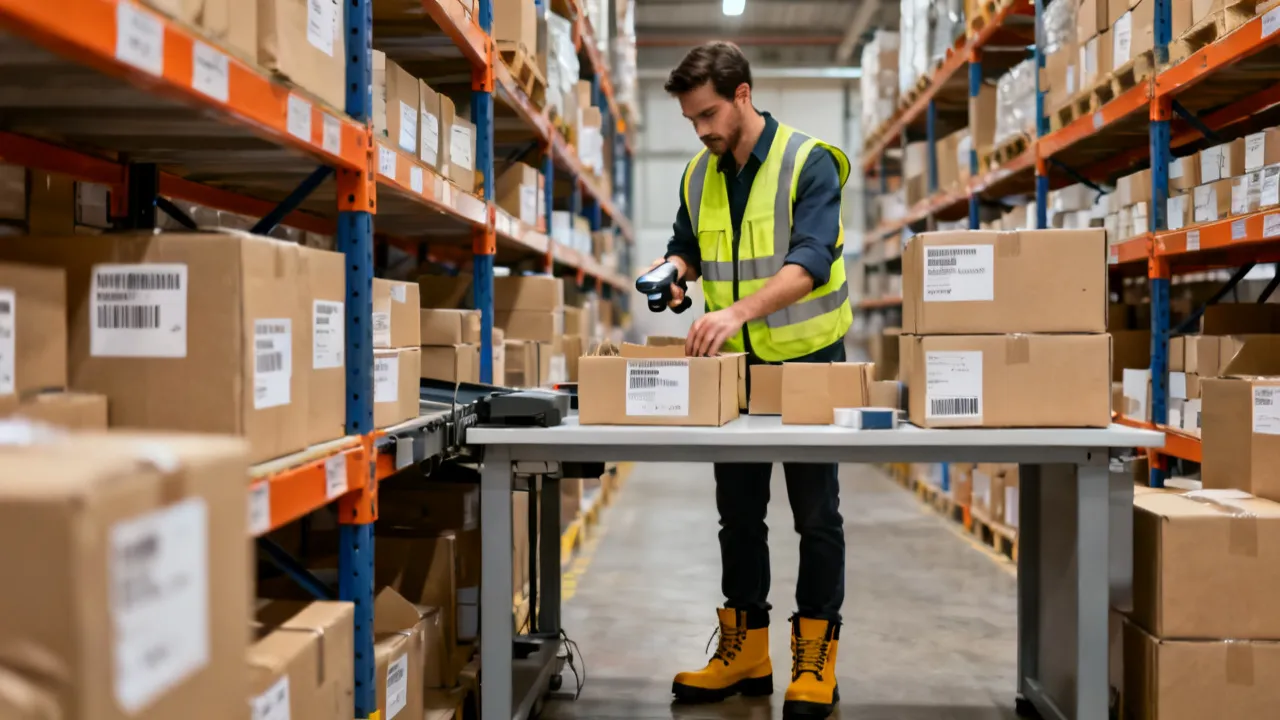
This guide explains how to evaluate an Indeed Pick Packer job, including daily duties, warehouse expectations, essential skills, pay and schedule questions, application strategies, and workplace safety considerations. A pick packer typically selects products, checks order accuracy, prepares parcels, and records inventory movements. The role supports efficient fulfillment across retail, manufacturing, logistics, and e-commerce operations, with requirements varying by employer, facility, shift, and local labor regulations.

An Indeed Pick Packer job generally refers to a warehouse position advertised through the Indeed employment platform in which an employee selects products, verifies order details, prepares goods for shipment, and helps maintain accurate stock records. Although the title appears straightforward, the actual work can vary considerably. One employer may combine picking and packing in a small distribution center, while another may assign separate duties within a high-volume fulfillment operation.
For applicants, the very important task is to read beyond the job title. A listing may use terms such as warehouse operative, order picker, fulfillment associate, dispatch assistant, warehouse assistant, or picker packer. These roles often overlap, but their physical demands, technology requirements, working hours, and performance expectations may differ. An informed application begins with a careful comparison of the advertised duties, schedule, location, employment status, and selection process.
From an industry perspective, pick packers occupy an important position between inventory storage and final delivery. A warehouse can have accurate stock records and sophisticated software, yet customer orders still depend on employees selecting the correct item, quantity, variation, and destination. Packing quality also affects product protection, shipping efficiency, returns, and customer satisfaction.
Pick packers may work in retail distribution, grocery fulfillment, pharmaceutical supply, clothing and footwear, automotive parts, electronics, furniture, manufacturing, or third-party logistics. The products and regulations differ across these industries. For example, a worker handling food may need to follow hygiene and expiry-date procedures, while a worker handling medical products may need additional traceability and temperature controls.
This article examines how to interpret an Indeed Pick Packer listing, what the work typically involves, which skills employers assess, and how candidates can prepare for the application and interview stages. It also outlines practical conditions to verify before accepting an offer.
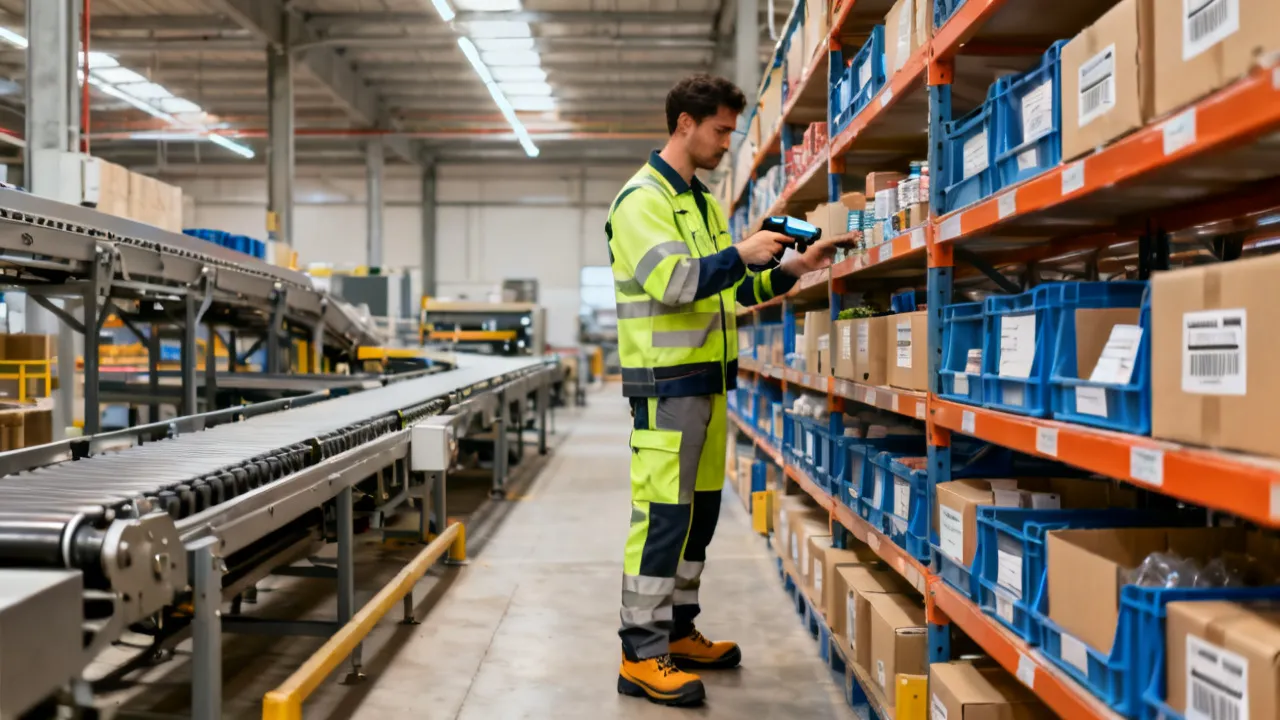
A pick packer normally performs two connected functions. “Picking” means locating and collecting products from designated storage areas. “Packing” means checking those products, selecting suitable packaging, preparing shipping documentation, and securing the parcel for transportation. Some facilities add scanning, replenishment, stock counting, loading, returns processing, or general housekeeping to the role.
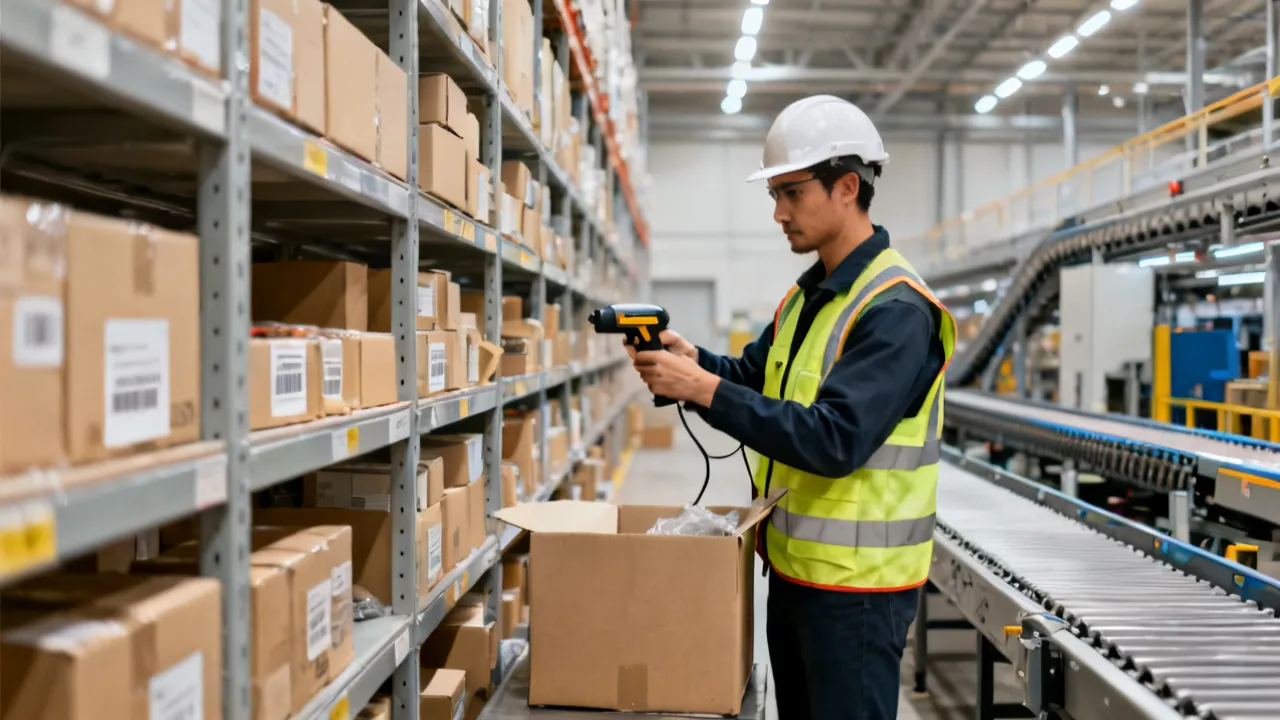
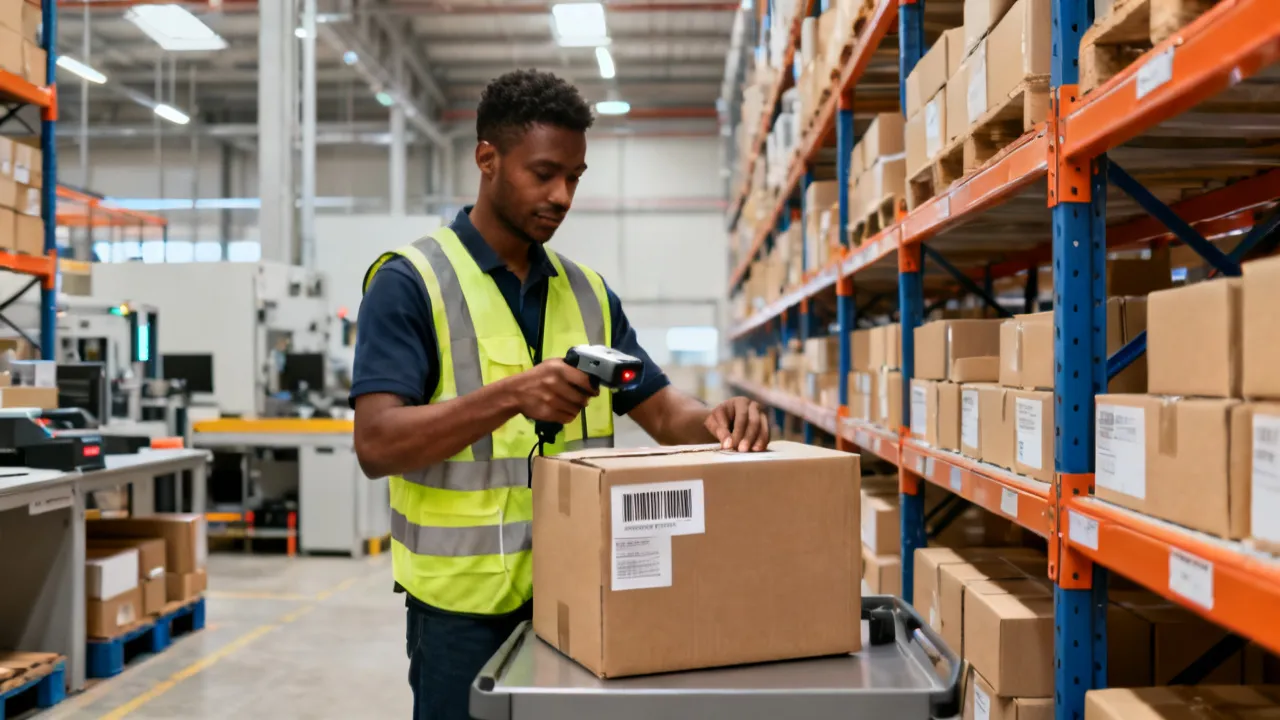
The exact workflow depends on the warehouse layout and order-management system. In a small operation, one person may receive a printed order, walk to several shelves, collect the items, pack them, and place the finished parcel in an outbound area. In a larger facility, a worker may use a handheld scanner, follow a digital route, and pass the selected goods to another team responsible for packing.
Typical responsibilities include:
Some positions also involve operating pallet trucks, powered equipment, conveyor systems, or warehouse management software. Where a license or formal training is required, the listing should state this clearly. Applicants should not assume that experience with one type of equipment automatically authorizes them to operate another.
In certain warehouses, pickers work in zones. One employee may handle a particular aisle or product category, while an order is transferred through several zones before packing. Other facilities use batch picking, in which several orders are collected during one walking route. There may also be wave picking, where work is released according to delivery deadlines, carrier schedules, or customer priority.
Packers may be responsible for choosing the smallest suitable carton, reducing empty space, using protective material, checking weight limits, and applying the correct carrier label. In businesses concerned with sustainability, they may also be expected to reduce unnecessary packaging, separate recyclable materials, or reuse approved containers.
Job advertisements often present the very appealing aspects first, but applicants should examine the full description systematically. A useful approach is to divide the listing into five categories: duties, requirements, working conditions, employment terms, and application instructions.
Identify whether the role is mainly focused on picking, packing, replenishment, dispatch, returns, or a mixture of activities. The phrase “general warehouse duties” may cover a broad range of tasks, including unloading deliveries, moving stock, cleaning work areas, and assisting with stocktakes.
Look for verbs such as lift, scan, sort, label, load, replenish, count, inspect, record, and dispatch. These words reveal what the employer expects the worker to do throughout the day. If the listing describes the role as “multiskilled,” the position may involve moving between departments rather than remaining at one packing station.
Look for stated experience, literacy or numeracy expectations, technology skills, physical requirements, transport needs, and any certification. Employers may prefer previous warehouse experience but still consider entry-level applicants who demonstrate reliability, attention to detail, and a willingness to learn.
It is useful to separate essential requirements from desirable ones. “Forklift license required” is different from “forklift experience preferred.” Similarly, “must be available for night shifts” is different from “flexibility is an advantage.” Applicants should ask about ambiguous wording before making assumptions.
Check whether the facility is ambient, chilled, refrigerated, temperature-controlled, noisy, or exposed to outdoor conditions. Some warehouses operate around the clock, while others use fixed daytime schedules. A listing may also specify standing, walking, repetitive movement, manual handling, or the ability to lift within a defined range.
Consider the location carefully. A warehouse may be situated in an industrial area with limited public transportation. Early-morning, late-evening, weekend, or overnight shifts can create practical challenges if the applicant relies on buses or trains. Travel time, parking, tolls, and fuel costs can also affect the real value of the position.
Distinguish between permanent, temporary, seasonal, part-time, full-time, agency, and contract arrangements. Confirm how hours are calculated, whether overtime is voluntary or scheduled, and whether the role includes a probationary period. Employment protections vary by jurisdiction, so applicants should consult official labor guidance relevant to their location.
A listing may state a wide range of possible weekly hours. This does not necessarily mean that all hours are guaranteed. Candidates should ask whether the employer offers a fixed roster, a minimum number of hours, or work according to operational demand.
Review the requested documents, screening questions, interview format, and contact process. A legitimate employer should provide a clear job description and should not request sensitive financial information during an initial application. Candidates should verify the employer and facility before sharing identity documents or accepting an offer.
The recruitment process for a pick packer role may include an online application, telephone screening, interview, reference check, right-to-work verification, medical or physical assessment where lawful and relevant, and a workplace induction. Agency workers may complete some steps with the recruitment agency and others with the warehouse employer.
Applicants should be prepared to discuss their availability precisely. Rather than saying “I can work anytime” when that is not true, explain which days, shift patterns, and start dates are realistic. Accurate information allows the employer to assess fit and prevents scheduling problems after hiring.
Some employers invite candidates to a site tour or work trial. If a practical assessment is involved, ask whether it is paid, how long it will last, what activities will be performed, and what safety equipment is required. Candidates should not be asked to perform hazardous tasks without proper instruction and supervision.
Before the first shift, the employer should communicate the reporting location, arrival time, contact person, dress requirements, identification documents, parking instructions, and any equipment or clothing to bring. A lack of basic information can be a sign that the recruitment process is poorly organized, although applicants should still request clarification directly.
The following sequence illustrates a common pick-and-pack process. Individual employers may use different software, equipment, or quality controls.
The sequence may appear repetitive, but accuracy is central to the position. A fast worker who selects the wrong item can create more operational cost than a careful worker who takes a reasonable amount of time. Well-managed facilities therefore balance productivity with quality, safety, and inventory accuracy rather than relying on speed alone.
At the beginning of a shift, a worker may also inspect the workstation, scanner, trolley, pallet, or packing materials. Reporting missing supplies early can prevent delays later. At the end of a shift, employees may be expected to return equipment, clear waste, secure unfinished work, and provide a handover to the next team.
Understanding common picking methods can help applicants interpret technical language in a listing. In single-order picking, one worker completes one customer order before beginning another. This method is easy to understand and may suit small operations, but it can involve more walking when order volumes are high.
Batch picking groups several orders that contain similar or nearby products. The worker collects the combined quantity and later separates the items into individual orders. This can improve efficiency, but it requires careful counting and sorting.
Zone picking divides the warehouse into areas. Each worker picks only from an assigned zone, and orders move between zones. This method can reduce walking and make training more focused, though effective handovers are essential.
Some facilities use automated storage systems, robotic assistance, or conveyor-based fulfillment. Even in highly automated sites, employees may still perform exception handling, quality checks, replenishment, packaging, and equipment monitoring. Automation changes the tasks but does not eliminate the need for human attention.
Applicants may encounter terms such as “fast-moving stock,” “slow-moving stock,” “forward pick location,” “reserve storage,” and “replenishment.” Fast-moving products are usually stored in easily accessible areas, while reserve stock is held elsewhere and moved forward when needed. A pick packer may be expected to alert inventory staff when a forward location is nearly empty.
An Indeed Pick Packer applicant does not always need extensive warehouse experience. Employers frequently assess practical behaviors that can be developed through training and consistent supervision.
Small differences between products can have significant consequences. Similar packaging, multiple sizes, product variations, or customer-specific instructions require careful checking. Candidates should be prepared to explain how they have identified errors in previous work, study, retail, hospitality, manufacturing, or administrative settings.
Workers may read product codes, count units, interpret quantities, compare labels, and complete simple records. The required level depends on the facility, but accurate counting and clear communication are fundamental.
Many warehouses use barcode scanners, touchscreen terminals, inventory systems, label printers, and electronic checklists. Applicants do not necessarily need experience with a particular software package. However, they should be comfortable following digital instructions and asking questions when a system message is unclear.
Picking and packing commonly involve standing, walking, reaching, bending, and handling products. Requirements should be assessed against the actual job description and applicable workplace rules. Candidates should not conceal a health or mobility concern that could affect safe performance. Employers are responsible for communicating essential duties and appropriate safety procedures, subject to local law.
Warehouse operations depend on coordinated shifts. Late arrivals, unplanned absences, and incomplete handovers can affect receiving, picking, packing, and transportation schedules. Employers therefore often value dependable attendance and clear communication.
Orders may pass through several departments. A picker may need to clarify a stock discrepancy with inventory control, report a damaged carton to a supervisor, or coordinate with dispatch staff. Cooperative behavior is often more valuable than an overly competitive approach.
Safe lifting, correct use of equipment, awareness of pedestrian routes, and prompt reporting of hazards are core expectations. A strong applicant demonstrates that targets should never override safe procedures.
Pick packers often work against carrier cutoffs or customer service deadlines. Time management involves beginning tasks promptly, organizing materials, following the correct route, and escalating delays before they affect later stages. It does not mean rushing without checking work.
Warehouse technology ranges from simple paper-based systems to highly integrated automated environments. An Indeed Pick Packer listing may mention one or more of the following tools:
| Technology | Common purpose | What applicants should understand |
|---|---|---|
| Barcode scanner | Confirms products, locations, and order movements | Accuracy and careful scanning are usually more important than prior familiarity with a specific brand. |
| Warehouse management system | Coordinates inventory, orders, locations, and task assignments | Workers follow system instructions and record exceptions promptly. |
| Label printer | Produces shipping, handling, or internal identification labels | Labels must be matched to the correct parcel and destination. |
| Conveyor system | Moves cartons or totes between operational zones | Workers must observe safe loading, unloading, and emergency procedures. |
| Pick-to-light or put-to-light equipment | Uses illuminated locations to guide product selection or placement | Attention to indicators and quantity displays is essential. |
| Voice-directed picking | Provides instructions through a headset | Clear verbal confirmation and concentration help prevent errors. |
| Inventory counting tools | Support stocktakes and discrepancy checks | Counts should be completed methodically and recorded accurately. |
Technology does not remove the need for judgment. A scanner may confirm a barcode, but the employee still needs to notice damaged packaging, an unsafe stack, a leaking product, or a mismatch between the physical item and the system description.
New workers are commonly trained through demonstrations, supervised practice, and gradual increases in responsibility. A candidate who has never used a warehouse scanner can still demonstrate technological adaptability by describing experience with point-of-sale systems, handheld devices, stock software, tablets, or digital forms.
Safety should be considered before accepting an Indeed Pick Packer position. Applicants should ask whether the work involves frequent lifting, elevated storage, stairs, cold rooms, outdoor loading areas, repetitive tasks, or extended periods of standing. The job description may state a lifting requirement, but the practical experience can also depend on how often items are handled and whether mechanical assistance is available.
Common safety measures include:
Applicants should never operate powered warehouse equipment without appropriate authorization and training. If an advertisement says that a particular license is “preferred,” candidates should ask whether it is required before the first shift or whether the employer provides training. Requirements differ by country and by equipment type.
A professional employer should be able to explain how new workers are trained, who supervises them, what protective equipment is supplied, and how hazards are reported. Vague answers may indicate that further clarification is needed.
Safe manual handling is not simply a matter of lifting with the legs. Employees should understand the weight, shape, stability, and center of gravity of an item before moving it. They should use carts, pallet trucks, lifting aids, or team assistance when required. Workers should also keep walkways clear and avoid climbing on shelving, pallets, or improvised objects.
Pick-and-pack work can be accessible to people changing careers, returning to employment, or entering logistics for the first time. Prior experience in retail stockrooms, supermarkets, manufacturing, hospitality, courier operations, or event logistics may demonstrate transferable skills.
Relevant experience can include:
Applicants without warehouse experience should focus on evidence rather than apologizing for their background. For example, a retail worker can describe replenishing shelves and checking product labels. A hospitality worker can demonstrate accuracy under time pressure and coordinated teamwork. A manufacturing worker can discuss quality checks, production records, and safe equipment practices.
Some employers use an initial period of supervised training. Candidates should ask how long induction lasts, whether training is paid, and when performance is formally reviewed. The answer should be consistent with applicable employment law and the terms of the proposed contract.
Students, recent graduates, and people returning to work may find seasonal fulfillment roles particularly accessible. Seasonal jobs can involve higher order volumes, extended shifts, or short notice changes, so applicants should assess whether the arrangement fits their circumstances. A temporary role can still provide valuable references and experience with warehouse systems.
Compensation for an Indeed Pick Packer job varies according to jurisdiction, experience, shift pattern, industry, facility size, employment arrangement, and local labor market conditions. A responsible article should not assign a universal rate because advertised figures can change and may exclude or include different components.
When reviewing pay information, determine whether the figure is:
Shift arrangements deserve equal attention. Common patterns include fixed mornings, fixed evenings, rotating shifts, weekend schedules, overnight work, and seasonal peaks. A listing may advertise full-time hours but still require flexibility during high-demand periods. Candidates should ask how far in advance schedules are issued and how changes are communicated.
Other conditions to verify include holiday entitlement, sick leave, pension or retirement arrangements, transport access, meal facilities, locker provision, uniform policy, and procedures for requesting time off. These details may not appear in the first advertisement but can materially affect the suitability of the role.
Agency work deserves particular attention. The agency may handle payroll, timesheets, and initial communication, while the warehouse directs daily tasks. Applicants should understand who their legal employer is, how to report absence, who handles grievances, and whether the assignment can end at short notice. Written information should be available before work begins.
A concise application should connect the candidate’s experience to the employer’s operational needs. The very effective résumé does not merely state “hardworking” or “reliable.” It gives specific examples of accurate, organized, safe, and coordinated work.
Begin with a brief profile that identifies relevant strengths, such as order accuracy, stock handling, digital scanning, customer fulfillment, or safe manual handling. Follow with employment history in reverse chronological order. Under each role, describe responsibilities and results without inventing numerical claims.
Useful résumé statements may include:
Use terms that genuinely reflect the advertisement. If the listing mentions dispatch documentation, stock rotation, inventory control, or warehouse systems, include those concepts when they match the candidate’s experience.
Some Indeed applications ask about shift availability, transportation, lifting requirements, equipment licenses, or previous warehouse work. Answer accurately. Misrepresenting availability or certification can create safety, scheduling, and employment problems later.
A cover letter is not always required, but it can help explain a career transition or highlight transferable skills. A short letter should identify the role, summarize relevant experience, and show awareness of the employer’s operational environment. Avoid unsupported claims about being the fastest worker or guaranteeing perfect performance.
Check that contact details are current, dates of employment are consistent, and uploaded documents open correctly. Use a professional email address and monitor messages after applying. Some employers send interview invitations or assessment instructions through the platform, while others use email or telephone.
Pick packer interviews often focus on reliability, accuracy, physical demands, safety, teamwork, and response to operational problems. The interviewer may also explain the warehouse environment and ask whether the candidate can work specific shifts.
Prepare examples using a clear situation, action, and result structure. Possible questions include:
Strong answers emphasize process. For example, if an item is missing, a candidate might explain that they would recheck the location and product code, follow the company’s search procedure, notify the appropriate person, and record the discrepancy rather than substituting an item without authorization.
Applicants should also prepare questions. Appropriate questions include:
During an interview, it is acceptable to ask for clarification about lifting requirements, temperature conditions, breaks, or equipment. These are practical questions, not signs of a lack of commitment. A candidate who understands the working environment is more likely to make a sustainable employment decision.
Warehouses may monitor several operational indicators. The exact system differs by company, and applicants should avoid assuming that one measure defines the entire job.
| Performance area | Meaning | Why it matters |
|---|---|---|
| Order accuracy | Whether the correct products and quantities are processed | Reduces returns, complaints, rework, and dispatch errors. |
| Productivity | The amount of work completed during a defined period | Helps managers plan staffing and workflow. |
| Inventory accuracy | Agreement between physical stock and system records | Supports purchasing, replenishment, and customer availability. |
| Damage control | Proper handling and reporting of damaged goods | Protects products and improves traceability. |
| Safety compliance | Following approved procedures and reporting hazards | Protects workers, visitors, inventory, and equipment. |
| Attendance and punctuality | Reliable participation in assigned shifts | Supports coordinated warehouse operations. |
Industry professionals generally advise candidates to treat quality and safety as foundations for productivity. Attempting to increase speed by skipping scans, bypassing checks, or lifting unsafely can produce serious consequences. A mature warehouse culture explains targets, supplies appropriate tools, and provides feedback when procedures are not being followed.
Performance measurement should also account for factors outside the employee’s control. Missing stock, faulty equipment, delayed replenishment, unclear orders, and system interruptions can affect output. Employees should report such barriers promptly and keep records when the company’s procedure requires them.
Pick packer work can be rewarding, but it is not suitable for every applicant. Repetitive movement, extended standing, changing priorities, and seasonal workload increases can be demanding. The work may also require concentration in a noisy environment or the ability to maintain accuracy when order volume changes.
Another challenge is managing exceptions. An order may contain a missing product, a damaged carton, an unclear label, or a system discrepancy. The correct response is usually not to improvise. Employees should follow the employer’s escalation procedure, because unauthorized substitutions or undocumented adjustments can create further errors.
Weather and facility conditions may also affect the job. Loading bays can be colder or warmer than office areas, while chilled or refrigerated operations require additional protective clothing and controlled exposure. Applicants should ask about these conditions during the interview rather than relying solely on the title.
Communication can be difficult in large facilities where several teams work in sequence. Clear handovers, accurate records, and respectful interactions reduce friction. Employees who notice a recurring problem should raise it through the appropriate supervisor or improvement process.
Workload can change sharply during promotional campaigns, holidays, product launches, or unexpected transport delays. Employees may need to change tasks quickly while still following the same verification and safety standards. Flexibility is valuable, but it should not mean accepting unclear or unsafe instructions without asking questions.
A pick packer position can provide a foundation for broader logistics and supply-chain work. Employees who build a record of safe, accurate, and dependable performance may progress into roles such as:
Development depends on the employer and the worker’s interests. Useful areas for continued learning include inventory principles, warehouse software, occupational safety, process improvement, quality assurance, and equipment operation. Some positions may require formal certification, while others emphasize experience and internal training.
Candidates should ask whether the employer offers cross-training. Exposure to receiving, replenishment, returns, stock control, and dispatch can provide a broader understanding of the order lifecycle. That knowledge may improve future promotion prospects and help employees identify the area of logistics that best suits them.
Employees can support their own development by keeping a record of training completed, systems used, responsibilities undertaken, and process improvements contributed. They should request constructive feedback and seek opportunities to understand why procedures exist, not merely how to perform them. This broader operational knowledge is useful when applying for senior positions.
Not all advertisements provide the same level of detail. A careful applicant should assess the clarity and professionalism of the listing. Useful indicators include a named employer, a specific facility or general work area, a clear description of duties, transparent employment terms, and a defined application process.
Warning signs may include:
These signs do not prove that a listing is illegitimate, but they justify additional verification. Applicants can compare the listing with the employer’s official careers information, contact the organization through independently verified details, and ask for written terms before accepting an offer.
Professional employers should be willing to explain the reporting location, supervisor, shift pattern, pay arrangements, training, and physical environment. They should also provide a reasonable opportunity for the applicant to ask questions. A rushed offer with no clear written information deserves careful review.
The following checklist can help applicants make a balanced decision. It is not a substitute for the employment contract or official labor guidance.
| Category | Questions to confirm |
|---|---|
| Employment status | Is the role permanent, temporary, seasonal, part-time, full-time, agency-based, or contract? |
| Schedule | What are the normal shift times, and how much flexibility is expected? |
| Pay | Is the advertised amount hourly or annual, and does it include overtime or shift premiums? |
| Physical duties | What lifting, walking, reaching, bending, or temperature-related demands apply? |
| Training | What induction, equipment training, and supervision are provided? |
| Equipment | Will the worker use scanners, pallet trucks, conveyors, forklifts, or other systems? |
| Safety | Which protective equipment and procedures are required? |
| Performance | How are accuracy, productivity, attendance, and conduct assessed? |
| Transportation | Is the facility accessible during early, late, weekend, or overnight shifts? |
| Contract terms | What are the probationary period, leave provisions, notice rules, and other conditions? |
Because employment conditions vary by jurisdiction, applicants should consult authoritative sources rather than relying on generalized online claims. National or regional labor departments can explain minimum wage rules, working hours, leave, recordkeeping, and employment protections. Occupational safety regulators can provide guidance on manual handling, warehouse traffic, protective equipment, and powered machinery.
For job-market context, official labor statistics agencies and recognized industry bodies may publish information about warehousing, transportation, employment trends, and occupational classifications. These sources are preferable to unsupported claims about average pay, hiring growth, or productivity. An advertisement’s compensation figure should always take priority over a broad market estimate when assessing a specific opportunity.
Indeed is a job-search and recruitment platform, not a universal authority on employment law or workplace safety. The employer remains responsible for the accuracy of its vacancy information, and the final contract governs the employment relationship subject to applicable law. Candidates should treat platform information as a starting point for verification.
From an industry expert’s perspective, the strongest pick packer candidates combine three qualities: disciplined accuracy, safe consistency, and constructive communication. Warehouse leaders do not simply need people who can move products. They need employees who understand that every scan, count, label, and handover contributes to a larger chain of activities.
Strong candidates also recognize the difference between speed and efficiency. Speed is completing a task quickly. Efficiency is completing it correctly, safely, and with minimal rework. A worker who identifies a recurring location error and reports it through the proper channel may contribute more operational value than someone who works rapidly but conceals discrepancies.
Another important quality is adaptability. Warehouses may change layouts, software, packaging standards, or order priorities. Employees who listen carefully, confirm unclear instructions, and learn revised procedures tend to integrate more effectively than those who rely only on habits from a previous workplace.
Finally, professionalism matters. Respectful communication with supervisors, drivers, colleagues, and temporary staff supports a safer and more orderly environment. Reliability is demonstrated not only through attendance but also through accurate handovers, responsible equipment use, and timely reporting of problems.
An Indeed Pick Packer is typically a warehouse worker recruited through a vacancy listed on Indeed or a similar employment platform. The role usually involves selecting products from storage, checking order details, packing goods, applying labels, and moving completed parcels toward dispatch. The exact responsibilities depend on the employer.
Not always. Some employers prefer prior experience, while others provide structured training for entry-level applicants. Retail stock handling, manufacturing, hospitality, delivery, inventory, and other process-based work can demonstrate relevant transferable abilities.
Requirements vary. Many positions emphasize reliability, basic literacy and numeracy, safe manual handling, and the ability to follow procedures. A forklift or other equipment qualification may be required for specific duties. Applicants should read the listing carefully and confirm certification requirements with the employer.
It can be. The work may involve standing, walking, lifting, bending, reaching, and repetitive movement. The level of demand depends on product size, warehouse design, equipment availability, and shift length. Applicants should ask for specific information about lifting and environmental conditions.
Choose clean, practical, and professional clothing. Closed footwear is generally appropriate when visiting a warehouse, although the employer should explain any required protective equipment. The interview setting may be an office, recruitment center, or facility, so confirm instructions in advance.
Give a specific example of checking labels, quantities, documents, inventory, customer orders, or quality standards. Explain the method you used and the outcome. Concrete examples are more persuasive than general descriptions such as “I am very careful.”
Follow the employer’s procedure. Recheck the location and product information, inspect approved neighboring locations if instructed, and notify the designated supervisor or inventory team. Do not substitute an item or alter records without authorization.
A temporary position may provide practical warehouse experience, income, and an opportunity to assess whether logistics work suits you. Before accepting, confirm the assignment duration, pay, shift expectations, agency relationship, and possibility of extension. The value depends on the written terms and the applicant’s objectives.
Ask whether shifts are fixed or rotating, how schedules are published, whether weekend or overnight work is expected, how overtime is handled, and whether hours are guaranteed. Also consider transportation during the earliest and latest scheduled times.
Progression is possible but not automatic. Employees can strengthen their prospects by building experience in inventory control, dispatch, receiving, warehouse systems, safety, quality assurance, and team coordination. Internal training and demonstrated performance may support movement into senior or supervisory roles.
Be cautious if the listing requests payment, sensitive financial details at an early stage, unexplained transactions, or personal account access. Verify the employer, facility, duties, and written terms independently before proceeding. A credible recruitment process should explain the work and selection stages clearly.
A picker primarily locates and collects products, while a packer checks and prepares those products for shipment. In smaller warehouses, one employee may perform both functions. In larger facilities, picking and packing may be separate departments with different targets and supervisors.
Training length varies according to the warehouse, products, systems, equipment, and prior experience. Basic orientation may take part of a day, while supervised training on scanning, packing standards, safety procedures, or powered equipment may continue for several shifts or longer. Candidates should ask what must be completed before independent work begins.
An Indeed Pick Packer opportunity can provide an entry point into warehousing, fulfillment, distribution, and broader logistics operations. The position commonly combines product selection, order verification, packaging, labeling, scanning, and dispatch preparation. Yet the title alone does not reveal the full working experience. Applicants should assess the facility, schedule, physical demands, technology, training, compensation structure, and safety procedures before applying or accepting an offer.
The very reliable strategy is practical and methodical: read the complete listing, match genuine experience to the duties, prepare specific interview examples, verify employment conditions, and ask questions about training and workplace expectations. Candidates who demonstrate accuracy, reliability, safety awareness, and respectful teamwork can present a credible case even when they are new to warehouse work.
Ultimately, a pick packer is part of a larger fulfillment system. Every correctly selected item, secure package, accurate label, and properly reported discrepancy supports the movement of goods from storage to the customer. Understanding that responsibility helps applicants make better decisions and prepares them for a productive career in warehouse operations.
Striking the Perfect Balance: Navigating Premiums and Out-of-Pocket Expenses in Senior Insurance Plans

Explore the Tranquil Bliss of Idyllic Rural Retreats

How to Make Lasting Memories at Disneyland Attractions

Affordable Phones and Plans for Seniors

Affordable Full Mouth Dental Implants Near You

Unlock the Top Kept Secrets to Finding Your Ideal Dentist for Flawless Dental Implant Results!

Discovering Springdale Estates

Unveiling RS Sul Telecom Services

The Guide to Car Trading

Understanding Indeed Pick Packer Jobs
This guide explains how to evaluate an Indeed Pick Packer job, including daily duties, warehouse expectations, essential skills, pay and schedule questions, application strategies, and workplace safety considerations. A pick packer typically selects products, checks order accuracy, prepares parcels, and records inventory movements. The role supports efficient fulfillment across retail, manufacturing, logistics, and e-commerce operations, with requirements varying by employer, facility, shift, and local labor regulations.

Indeed Pick Packer Jobs: A Practical Career Guide
This guide explains how to evaluate Indeed Pick Packer vacancies, understand daily warehouse duties, compare employment conditions, and prepare a strong application. A pick packer selects products, checks order accuracy, packs shipments, and helps maintain efficient inventory flow. The role can suit entry-level applicants, although employers commonly assess reliability, physical readiness, attention to detail, safe work practices, and the ability to use warehouse technology.
Indeed Pick Packer Jobs: A Practical Career Guide
This guide explains how to evaluate an Indeed Pick Packer listing, understand daily warehouse duties, compare employment conditions, and prepare a stronger application. Pick packers retrieve products, verify orders, package goods, and support accurate dispatch in warehouses, distribution centers, and retail supply chains. The role may suit candidates seeking structured, hands-on work, although schedules, physical demands, training, pay, and progression vary by employer and location.
Indeed Pick Packer Jobs: A Practical Career Guide
This guide explains how to evaluate Indeed Pick Packer vacancies, understand daily warehouse duties, prepare a strong application, and assess pay, schedules, safety, and workplace conditions. A pick packer selects products, checks order accuracy, packs goods, and prepares shipments for dispatch. The role appears across retail, logistics, manufacturing, grocery, and e-commerce operations, with requirements varying by employer, location, equipment, and shift pattern.
Indeed Pick Packer Jobs: A Practical Career Guide
This guide explains how to evaluate and apply for an Indeed Pick Packer job, including daily duties, essential skills, workplace expectations, pay considerations, safety requirements, and interview preparation. A pick packer typically retrieves products from warehouse locations, checks order accuracy, packages goods, and prepares shipments. Job conditions vary by employer, facility, shift, equipment, and experience, so applicants should review each listing carefully before applying.
Indeed Pick Packer Jobs: A Practical Guide
This guide explains how to evaluate Indeed pick packer listings, understand daily warehouse duties, prepare a strong application, and assess safety, scheduling, pay, and advancement information. Pick packer roles generally combine order picking, item verification, packing, labeling, inventory handling, and shipment preparation. Requirements differ by employer, facility, equipment, shift, and product type, so applicants should review each posting carefully and confirm important details directly with the hiring organization.
